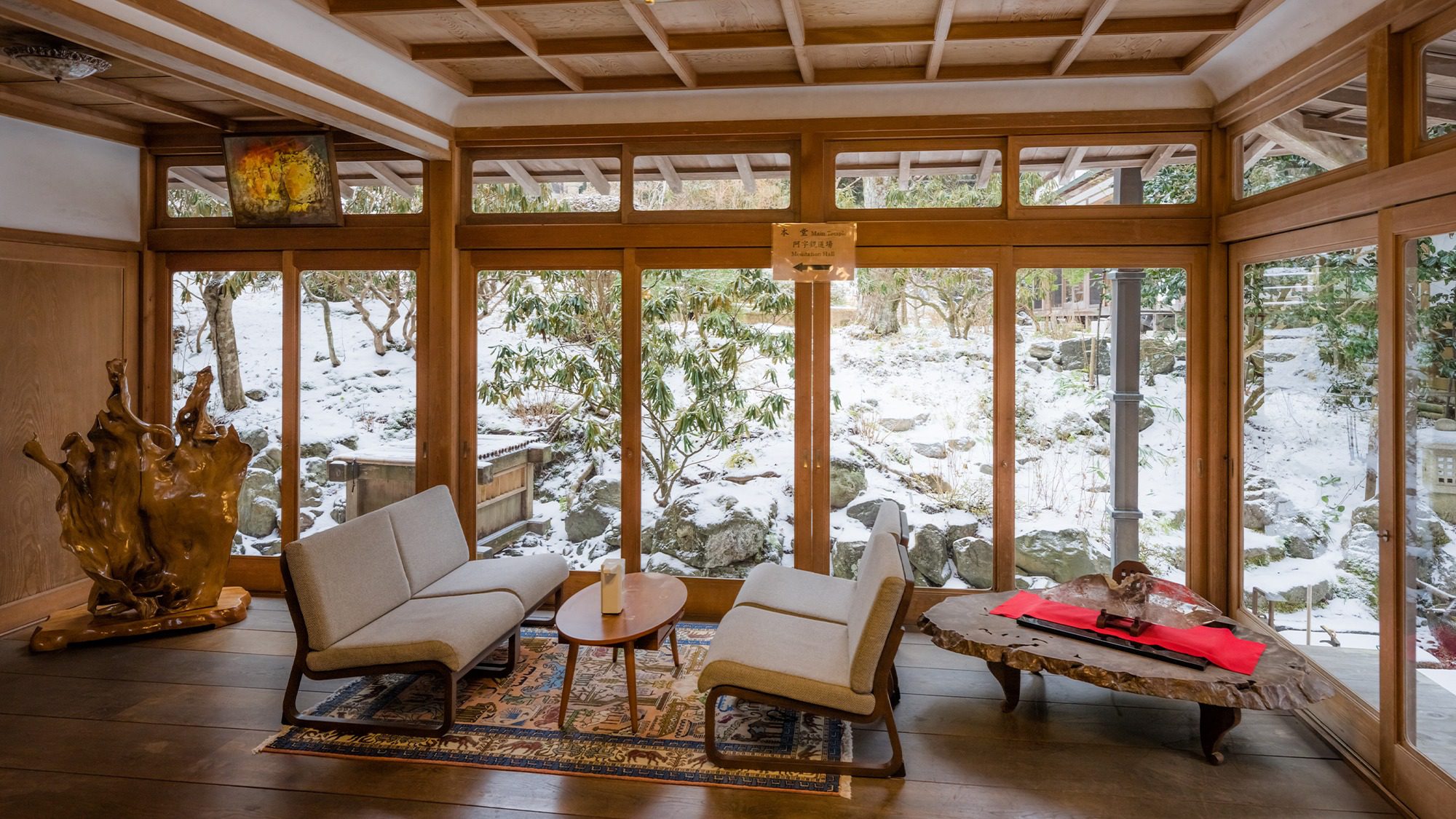
Eko-in Temple is one of the most welcoming and spiritually significant temple lodgings (shukubo) in Koyasan, offering travelers an immersive experience into Buddhist monastic life in the sacred mountain complex of Mount Koya. Located in Wakayama Prefecture, within the UNESCO-listed sacred sites of Koyasan, Eko-in combines centuries-old spiritual traditions with accessible hospitality, making it one of the most popular temple stays in Japan for both first-time visitors and returning pilgrims.
Set among cedar forests, stone pathways, and hundreds of atmospheric temples, Eko-in provides a rare opportunity to experience early morning prayers, Buddhist rituals, meditation, and traditional vegetarian cuisine (shojin ryori). Its location within walking distance of Kongobu-ji Temple and Okunoin Cemetery places guests at the heart of one of Japan’s most important spiritual destinations.
Why Visit Eko-in Temple
Eko-in Temple is ideal for travelers seeking spiritual reflection, cultural immersion, and a unique overnight stay within Japan’s most sacred mountain temple town.
- Authentic Temple Stay: Traditional shukubo lodging within an active Buddhist temple.
- Spiritual Experience: Morning prayers, meditation, and fire rituals available to guests.
- UNESCO World Heritage Setting: Located in the sacred complex of Mount Koya.
- Central Koyasan Location: Close to major temples and Okunoin Cemetery.
Eko-in is especially known for being one of the most accessible temple stays, welcoming international visitors while preserving traditional Buddhist customs and etiquette.
Amenities
While Eko-in Temple is not a hotel in the modern sense, it offers essential comforts within a traditional temple environment.
- Traditional Tatami Rooms: Simple Japanese-style accommodation with futon bedding.
- Shared Bath Facilities: Public bathing areas in traditional style.
- Shojin Ryori Dining: Buddhist vegetarian meals served in seasonal courses.
- Prayer Hall Access: Participation in morning and evening rituals.
- Meditation Experiences: Optional guided spiritual practices.
- Temple Grounds: Peaceful gardens and quiet walking areas.
Guestrooms
The rooms at Eko-in Temple are designed in traditional Japanese style, emphasizing simplicity, cleanliness, and tranquility. Guests sleep on futons laid over tatami mats, surrounded by minimalist interiors that encourage rest and reflection.
Room Highlights
- Traditional Tatami Flooring: Woven straw mats used throughout rooms.
- Futon Bedding: Comfortable bedding prepared by temple staff.
- Sliding Shoji Doors: Paper-screen partitions creating soft natural light.
- Minimalist Design: Simple interiors focused on calm and mindfulness.
- Garden or Temple Views: Some rooms overlook temple courtyards.
Room Types
- Standard Temple Room: Traditional tatami room with shared facilities.
- Garden View Room: Enhanced view of temple gardens or courtyards.
- Private Temple Room: Slightly larger room with improved privacy and space.
Rooms are intentionally simple, reflecting Buddhist principles of humility and detachment from material excess.
Dining
Dining at Eko-in Temple is centered around shojin ryori, a traditional Buddhist vegetarian cuisine that emphasizes balance, seasonality, and mindfulness.
- Shojin Ryori Dinner: Multi-course vegetarian Buddhist meal.
- Traditional Breakfast: Simple, balanced morning meal served in temple style.
- Seasonal Ingredients: Locally sourced vegetables, tofu, and mountain produce.
- In-Hall Dining: Meals served in communal or private tatami rooms.
Each meal is carefully prepared to reflect Buddhist teachings, avoiding strong flavors and emphasizing natural taste and presentation.
Spiritual Activities
One of the defining aspects of staying at Eko-in Temple is participation in daily Buddhist rituals and spiritual practices.
- Morning Prayer Ceremony: Traditional chanting and rituals with monks.
- Fire Ritual (Goma): Sacred ceremony involving prayer and purification fire.
- Meditation Sessions: Guided or silent meditation experiences.
- Temple Teachings: Opportunities to learn about Buddhist philosophy.
These activities allow guests to engage deeply with the spiritual traditions of Koyasan in an authentic and respectful setting.
Activities & Surroundings
Eko-in Temple is located in the heart of Koyasan, surrounded by some of Japan’s most important religious and cultural sites.
- Okunoin Cemetery: Sacred forest cemetery and pilgrimage site.
- Kongobu-ji Temple: Head temple of Shingon Buddhism.
- Danjo Garan Complex: Historic temple buildings and pagodas.
- Koyasan Cable Car Area: Scenic mountain access route.
- Forest Walking Trails: Peaceful paths through cedar forests.
The entire area of Koyasan is considered sacred, and staying overnight allows visitors to experience its quiet, mystical atmosphere after day-trippers leave.
Atmosphere & Vibe
The atmosphere at Eko-in Temple is peaceful, reflective, and deeply spiritual. The sound of temple bells, morning chants, and rustling cedar trees creates a calm environment that encourages mindfulness and introspection.
Unlike a hotel stay, time at Eko-in follows the rhythm of temple life, offering a rare opportunity to disconnect from modern distractions and experience traditional Buddhist culture firsthand.
Practical Details
- Check-in: From 15:00 (3:00 PM)
- Check-out: By 10:00 AM
- Non-smoking property throughout
- Currency: Japanese Yen (JPY)
- Electricity: 100V, Type A plug standard
- Located in Koyasan, Wakayama Prefecture
- Shared bathroom facilities (traditional style)
Seasonal Highlights
- Spring: Fresh greenery and temple gardens in bloom.
- Summer: Cool mountain air and forested serenity.
- Autumn: Vibrant foliage across sacred temple grounds.
- Winter: Snow-covered temples and mystical quiet atmosphere.
Why Choose Eko-in Temple
- One of the most accessible and welcoming temple stays in Koyasan.
- Authentic Buddhist cultural and spiritual experience.
- Participation in morning prayers and fire rituals.
- Located in the heart of a UNESCO World Heritage site.
- Ideal for mindfulness, reflection, and cultural immersion.
Visitor Tips
- Arrive earlier in the day due to mountain travel time.
- Respect temple etiquette and quiet hours.
- Participate in morning prayer for full cultural experience.
- Pack light and bring easy-to-remove footwear.
- Prepare for simple but meaningful accommodations.