
The Art of Japanese Hospitality
A truly exceptional ryokan offers more than a beautiful room. It invites you into a different rhythm of travel, shaped by thoughtful hospitality, seasonal cuisine, natural materials and a profound appreciation of place.
Across Japan, traditional inns, temple lodgings and contemporary retreats interpret this experience in different ways. You might wake to the quiet of an ancient cedar forest on Mount Koya, soak in a private open-air bath beneath the mountains near Fuji, or discover the understated elegance of a historic Kyoto townhouse.
This guide explores eleven distinctive stays, from deeply traditional temple accommodation to sophisticated nature retreats. Each offers a different perspective on Japanese hospitality, helping you decide which experience best suits your journey.
01 · Understanding the Experience
What Makes a Ryokan Special?
A ryokan is a traditional Japanese inn, but the experience can vary considerably from one property to another. Some preserve a centuries-old approach to hospitality, with tatami rooms, futon bedding and carefully prepared seasonal meals. Others combine Japanese design with contemporary suites, private hot-spring baths and the comforts of a luxury retreat.
The concept of omotenashi — thoughtful, attentive hospitality — is central to many traditional stays. It can be felt in the details: the presentation of a meal, the preparation of a room, or the way a host helps you understand local customs.
Three distinct ways to stay
Temple lodging: A cultural experience shaped by Buddhist traditions, simple accommodation, vegetarian cuisine and, at some temples, opportunities to observe prayers or meditation.
Traditional ryokan: An immersive Japanese inn experience, often centred on tatami rooms, seasonal dining, gardens and personal hospitality.
Contemporary luxury retreat: Modern architecture and high levels of comfort, sometimes combined with private onsen baths, expansive views and wellness experiences.
02 · Temple Stays
Mount Koya — A Quieter Side of Japan
High in the mountains of Wakayama Prefecture, Mount Koya is one of Japan’s most significant Buddhist centres. Staying at a temple lodging offers a very different experience from a conventional hotel: the atmosphere is contemplative, the surroundings are steeped in religious history, and daily life follows a gentler rhythm.
Mount Koya · Temple Lodging
Eko-in Temple
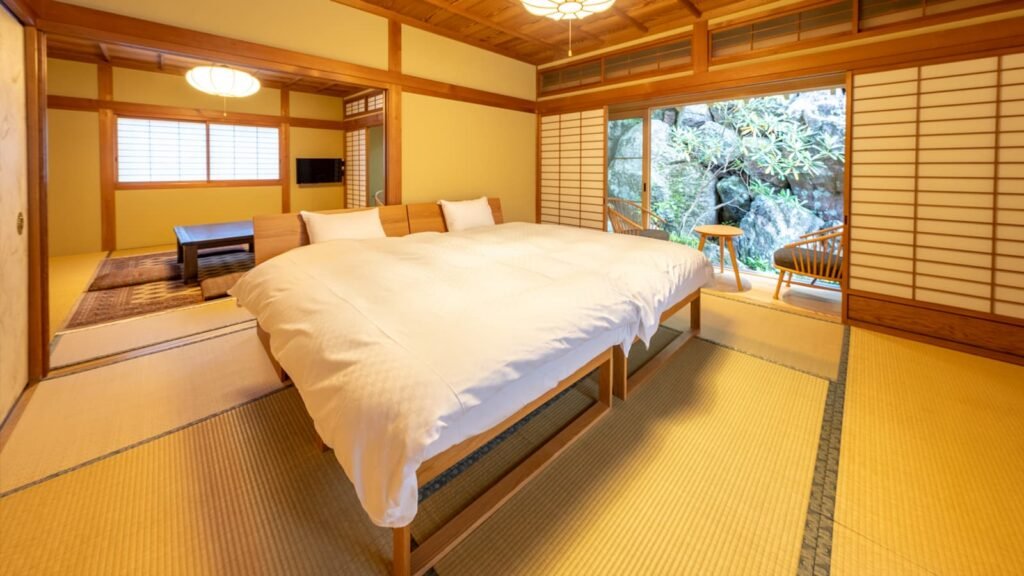
Eko-in offers the opportunity to stay within an active Buddhist temple in the Mount Koya region. Traditional rooms, the surrounding temple grounds and the possibility of observing selected religious practices create an experience rooted in the area’s spiritual heritage.
Guests may have opportunities to attend morning prayers or meditation activities, depending on the temple’s arrangements. Meals traditionally associated with temple lodging are known as shojin ryori, a Buddhist style of vegetarian cuisine.
Before booking: Check the current schedule of activities, meal arrangements, room facilities and any participation guidelines directly with the temple.
Mount Koya · Temple Lodging
Ichijo-in Temple
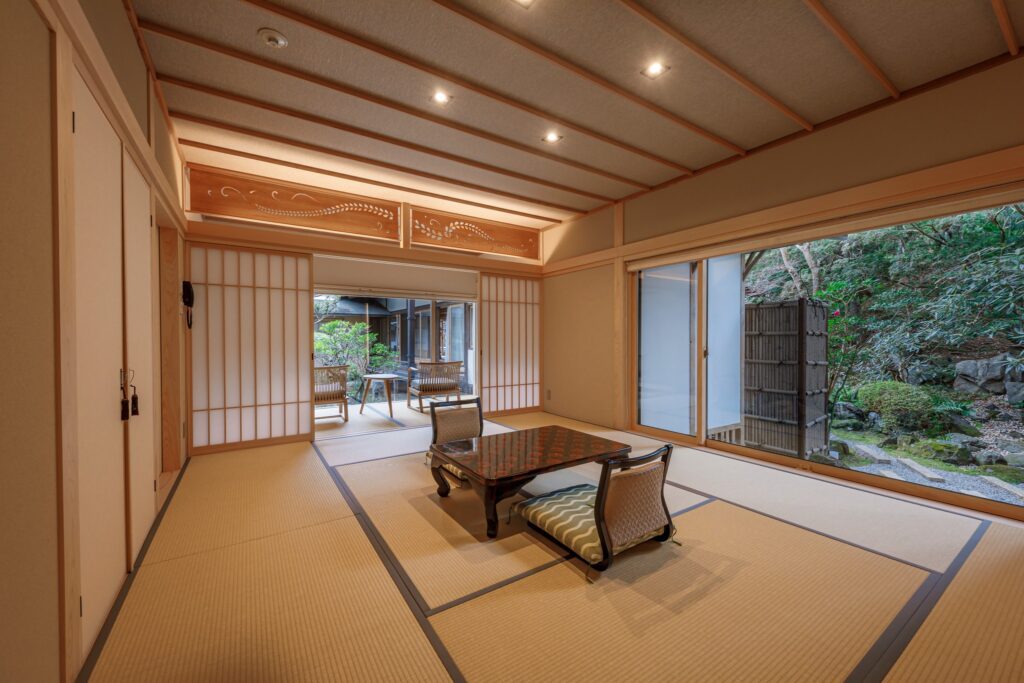
Ichijo-in provides another way to experience Mount Koya’s temple-lodging tradition. Its traditional architecture, garden setting and plant-based temple cuisine create an atmosphere suited to reflection and a slower pace of travel.
For visitors interested in the cultural context of Mount Koya, staying overnight allows more time to appreciate the surroundings rather than treating the area as a quick excursion.
Before booking: Temple accommodation is not identical to a luxury hotel. Confirm the room facilities, bathing arrangements, meal times and house rules to make sure they suit your expectations.
03 · Mount Fuji and Lake Kawaguchi
Contemporary Luxury in a Natural Setting
Around Lake Kawaguchi, the landscape becomes part of the stay. Forested hills, changing seasonal colours and views towards Mount Fuji provide a backdrop for properties that place design, privacy and the natural environment at the centre of the experience.
Mount Fuji Region · Design-led Retreat
7c Villa & Winery
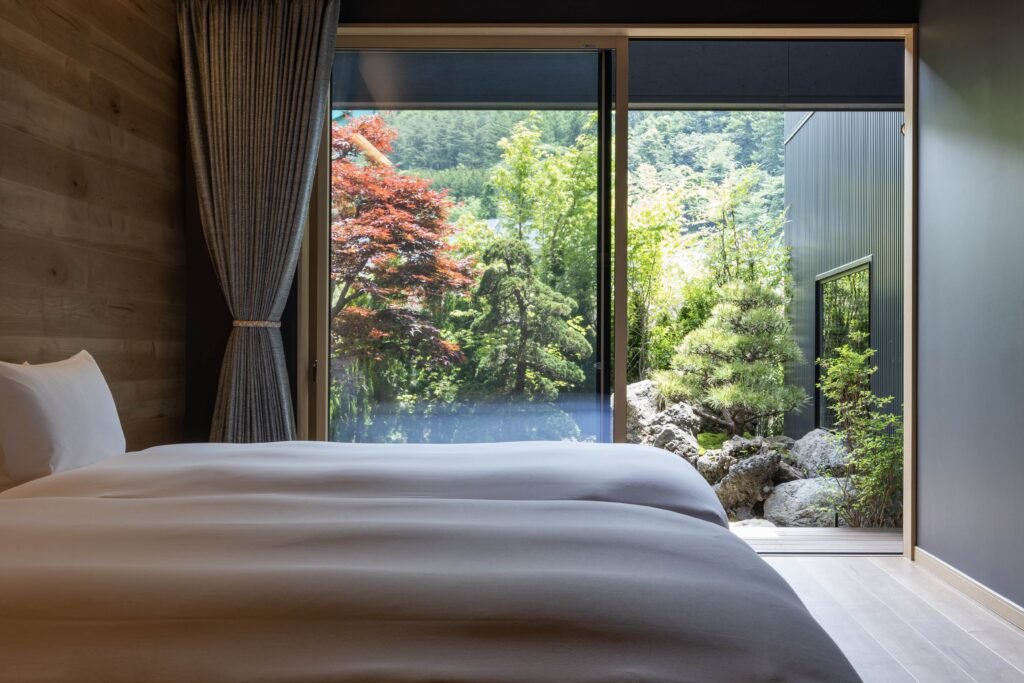
7c Villa & Winery brings together a contemporary retreat concept and a setting associated with the Mount Fuji region. Its design-led character makes it an appealing option for travellers who appreciate architecture, considered interiors and a more individual style of accommodation.
The experience offers a different interpretation of Japanese luxury from the historic ryokan: cleaner architectural lines, a modern atmosphere and an emphasis on the surrounding landscape.
Before booking: Confirm the current accommodation package, winery experiences, tasting availability and the view offered by your chosen room or villa.
Lake Kawaguchi · Luxury Forest Ryokan
FUFU Kawaguchiko
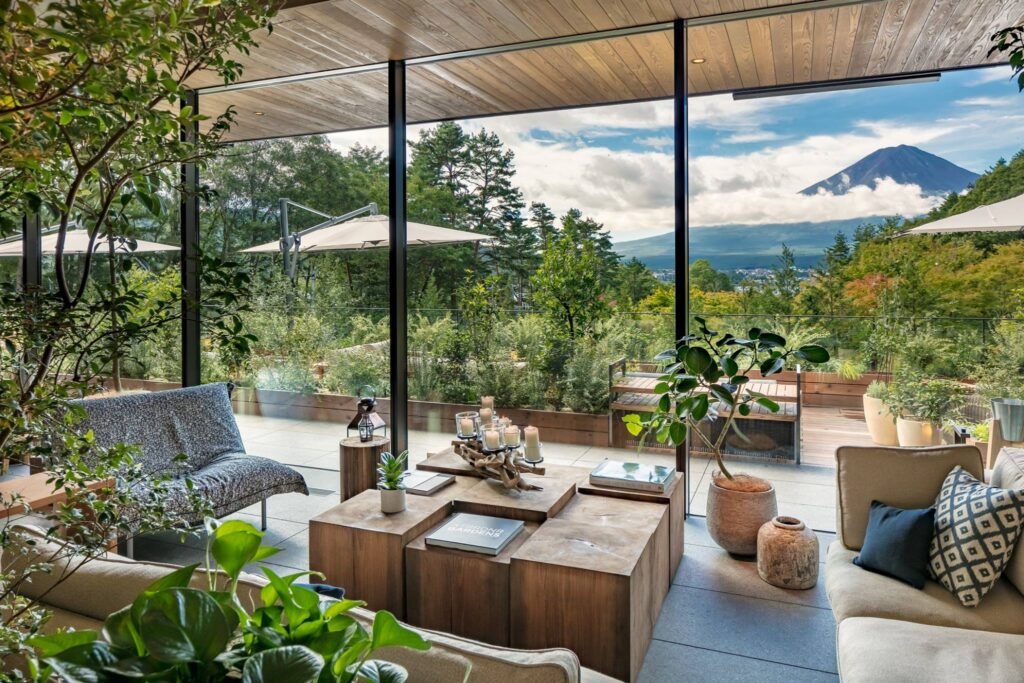
FUFU Kawaguchiko is a contemporary luxury retreat surrounded by the scenery of the Fuji Five Lakes area. Natural materials, carefully considered interiors and a focus on privacy create an atmosphere designed for relaxation.
The property is particularly appealing to guests who want to combine time in nature with the comforts of a high-end stay. Private bathing facilities are an important feature to investigate when selecting a room category.
Before booking: Verify the precise room category, whether the bath is private and open-air, the water source, dining inclusions and the likely visibility of Mount Fuji from your accommodation.
04 · The Japanese Alps
Takayama — Warm Wood and Mountain Hospitality
Takayama · Traditional Onsen Ryokan
Hanaougi Bettei Iiyama
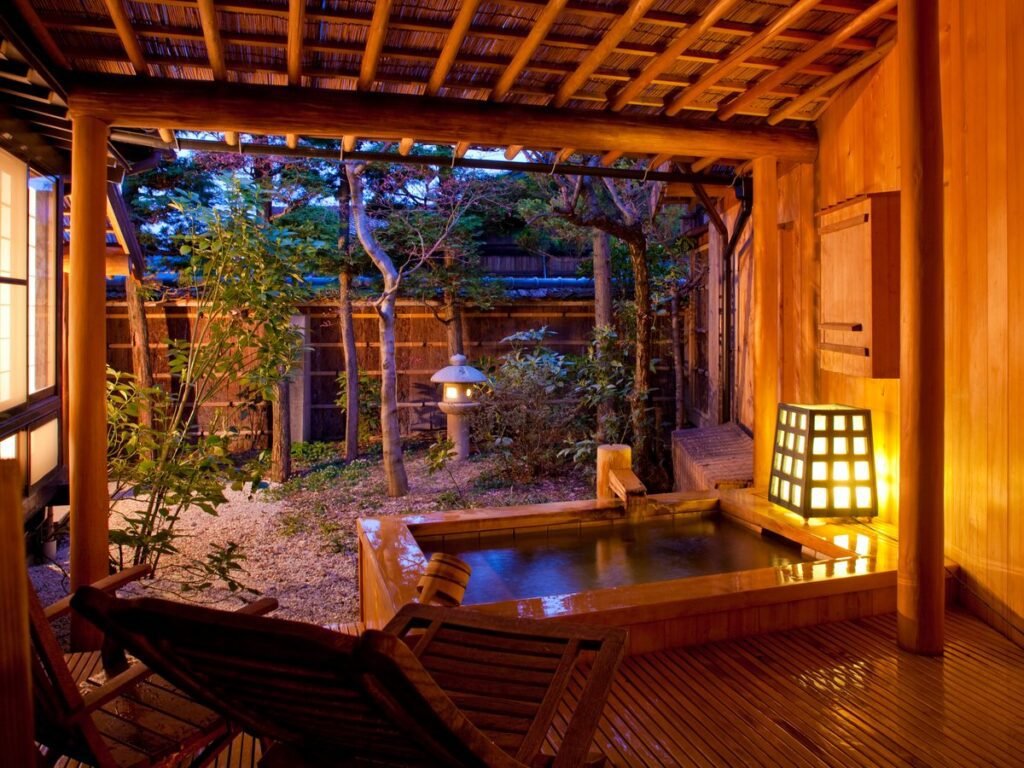
In the Takayama area, Hanaougi Bettei Iiyama offers a traditional ryokan atmosphere associated with the Japanese Alps. Wooden architecture, seasonal regional cuisine and an emphasis on hospitality make it a strong choice for travellers who want a sense of local character alongside comfort.
The surrounding region offers a rewarding contrast to Japan’s large cities, with mountain scenery, historic streets and opportunities to explore the culture of the Hida area.
Before booking: Check which room categories have private bathing facilities, what is included in the meal plan and how the property fits into your transport arrangements.
05 · Kyoto Heritage
Two Historic Ryokan, Two Expressions of Kyoto
Kyoto’s historic ryokan culture is built around restraint, craftsmanship and the thoughtful use of space. Rather than relying on spectacle, the experience often reveals itself through garden views, traditional materials, seasonal details and exceptionally attentive service.
Kyoto · Historic Luxury
Tawaraya Ryokan
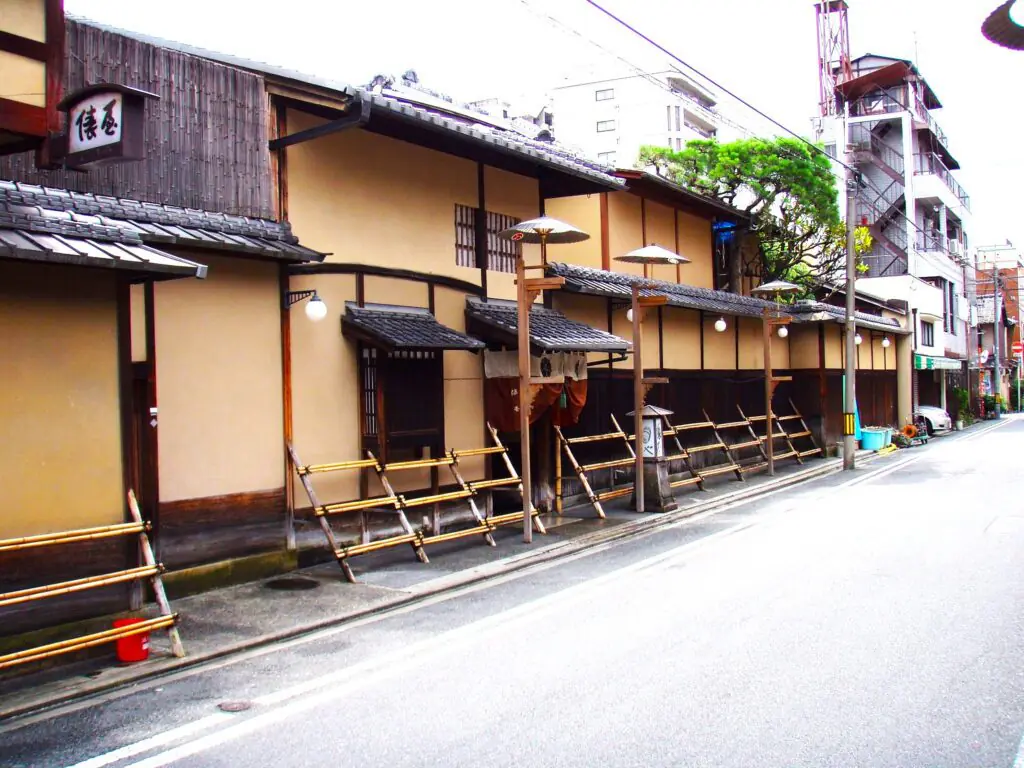
Tawaraya is one of Kyoto’s best-known historic ryokan, associated with discreet service, traditional interiors and an intimate approach to hospitality. The experience is less about conspicuous luxury and more about the quality of the details.
For travellers interested in Kyoto’s refined cultural traditions, a stay here can become a central part of the journey rather than simply a base for sightseeing.
Before booking: Confirm availability, room features, dining arrangements and the property’s current reservation requirements directly with the ryokan.
Kyoto · Heritage Ryokan
Hiiragiya Ryokan
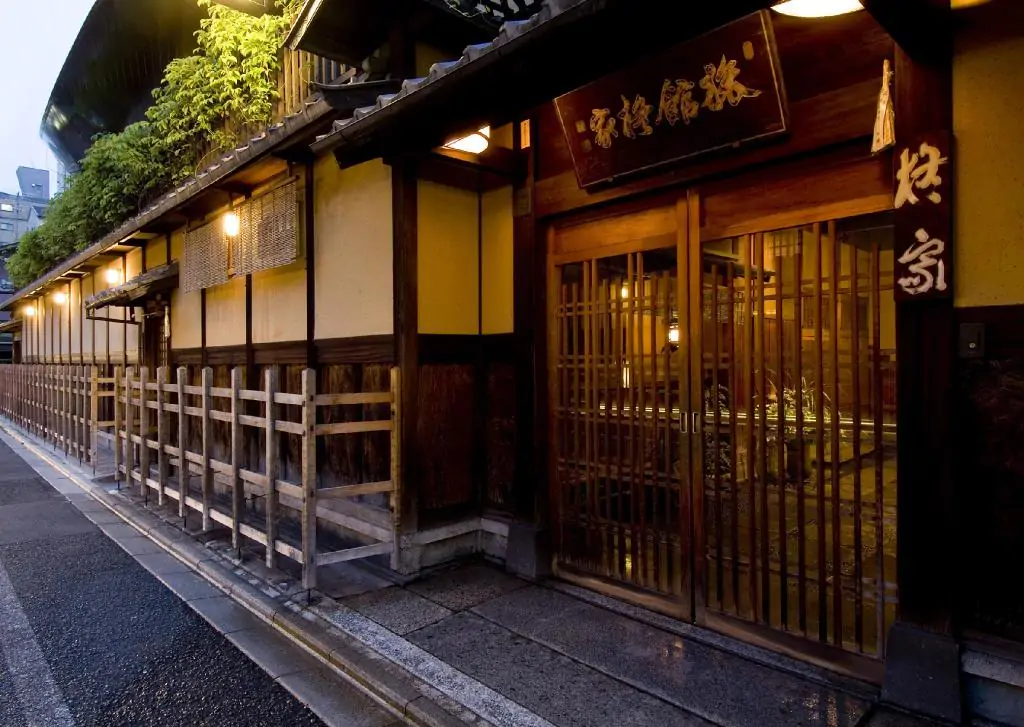
Hiiragiya is another of Kyoto’s celebrated historic inns. Traditional architecture, carefully maintained interiors and a hospitality style shaped by Kyoto’s cultural traditions give the property a distinctive sense of continuity.
Its appeal lies in the relationship between the room, the garden, the service and the city beyond. It is an experience for travellers who appreciate subtlety and cultural depth.
Before booking: Check the available room styles, meal arrangements, accessibility and any differences between room categories.
06 · Forests and Wellness
Karuizawa — A Retreat Shaped by Nature
Nagano · Nature Retreat
Hoshinoya Karuizawa
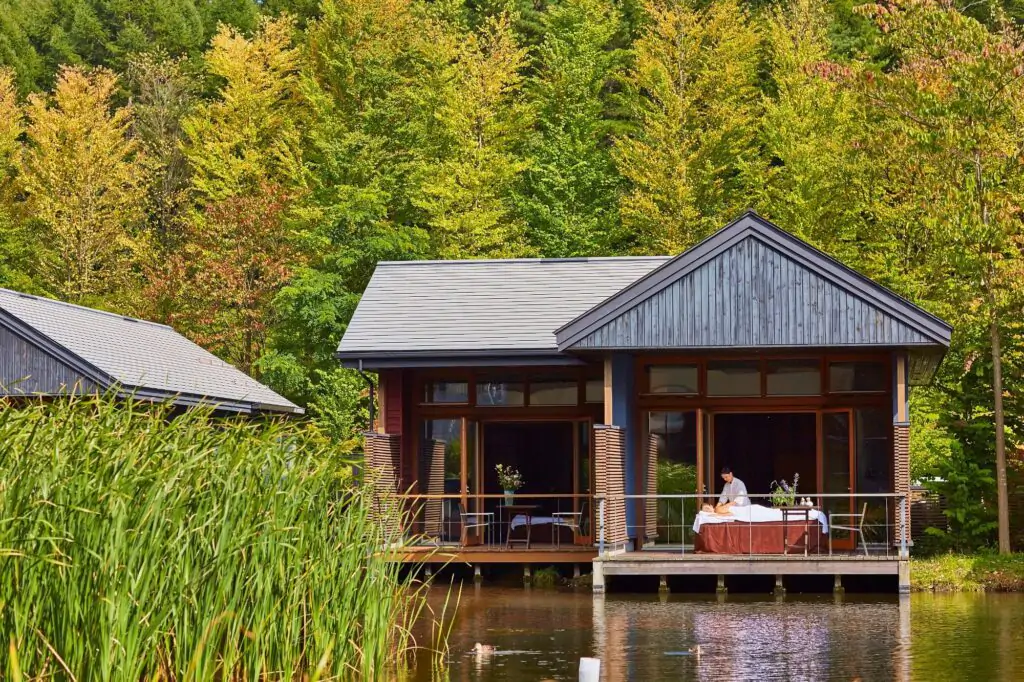
Hoshinoya Karuizawa is designed around its natural setting, with architecture and accommodation integrated into a green valley environment. It offers a contemporary interpretation of a Japanese retreat, with an emphasis on slowing down and enjoying the surrounding landscape.
It is particularly suited to travellers who want more than a single overnight stop: a place to settle in, explore the surroundings and enjoy a different pace from Japan’s major cities.
Before booking: Review the exact room or villa type, seasonal activities, bathing facilities and transport arrangements for your travel dates.
07 · Coastal Serenity
Miyajima — Gardens and the Inland Sea
Miyajima · Garden Ryokan
Sekitei

Sekitei offers a quieter perspective on Japan’s coastal landscape. Traditional Japanese gardens, a sense of privacy and the surrounding views create an atmosphere that encourages guests to pause and appreciate their surroundings.
Its location also makes it an appealing addition to a wider journey through Hiroshima and the Seto Inland Sea region. Combining a stay here with cultural exploration can create a rewarding contrast between historic sites and time spent in a peaceful retreat.
Before booking: Confirm the exact location, transport requirements, meal arrangements and the room category that best suits your plans.
08 · The City Ryokan
Tokyo — Traditional Hospitality in an Urban Setting
Otemachi · Contemporary Luxury
Hoshinoya Tokyo
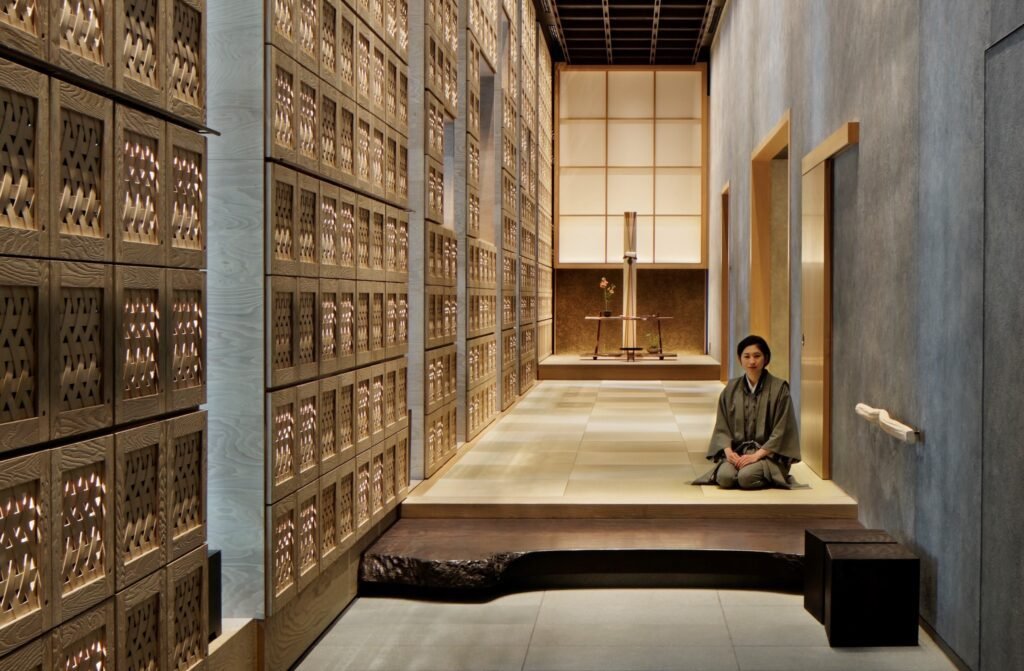
Hoshinoya Tokyo brings the ryokan concept into the heart of the capital. Its contemporary architecture is paired with Japanese-inspired interiors and a hospitality style that creates a sense of calm within the energy of the city.
This is a useful option for travellers who want to explore Tokyo while enjoying a stay that feels distinct from a conventional international hotel. It also offers a different way to experience Japanese hospitality without leaving the city.
Before booking: Check the current bathing facilities and access arrangements, room inclusions and the precise location in relation to your Tokyo plans.
Asakusa · Traditional Tokyo
Kaminarimon Ryokan
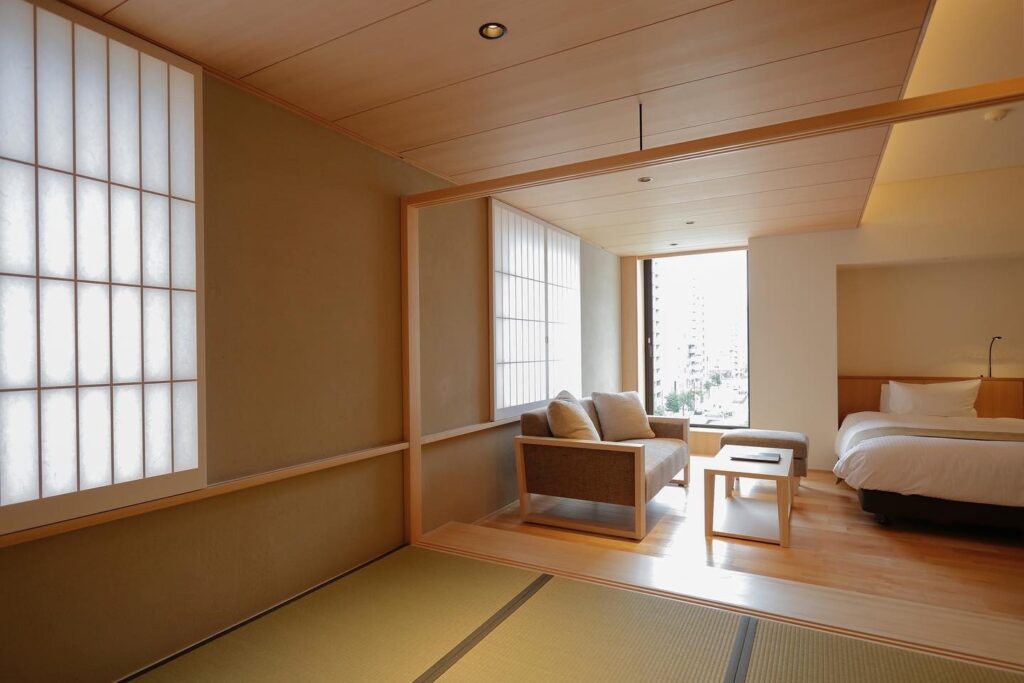
In Asakusa, Kaminarimon Ryokan offers a traditional Japanese-style stay in one of Tokyo’s most recognisable historic districts. The neighbourhood’s temples, shopping streets and local food culture make it an appealing base for exploring an older side of the capital.
Compared with a secluded mountain retreat, the experience is more closely connected to everyday city life. Guests can explore the district on foot and return to a room that offers a Japanese-style atmosphere.
Before booking: Check the available room type, bedding configuration, facilities and current booking conditions.
09 · Choosing Your Stay
Which Ryokan Experience Is Right for You?
The best choice depends on what you want your stay to mean. A temple lodging, a heritage inn and a contemporary luxury retreat can all be memorable, but they deliver very different experiences.
- For spiritual and cultural immersion: Eko-in Temple or Ichijo-in Temple on Mount Koya.
- For contemporary design near Mount Fuji: 7c Villa & Winery or FUFU Kawaguchiko.
- For traditional mountain hospitality: Hanaougi Bettei Iiyama near Takayama.
- For historic Kyoto elegance: Tawaraya Ryokan or Hiiragiya Ryokan.
- For a nature-led retreat: Hoshinoya Karuizawa.
- For gardens and coastal tranquillity: Sekitei near Miyajima.
- For Japanese hospitality in Tokyo: Hoshinoya Tokyo or Kaminarimon Ryokan in Asakusa.
What to check before you reserve
Do not rely on the word “luxury” alone. Room size, bedding, bathing facilities, dining, accessibility and the level of service can differ considerably between properties.
- Confirm whether the room is Japanese-style, Western-style or a combination of both.
- Check whether the price includes breakfast, dinner or both.
- Ask whether a private bath is attached to the room or must be reserved separately.
- Confirm whether the bathing water is from a natural hot spring if that matters to you.
- Review cancellation conditions, meal times and check-in requirements.
- Check transport connections and how much time you want to spend in the surrounding area.
- Read the current property information carefully, as facilities and packages can change.
10 · A More Thoughtful Way to Travel
Let the Stay Become Part of the Journey
A ryokan can be much more than a place between sightseeing stops. It can become the part of the journey you remember most: the stillness of a garden in the morning, the changing light across the mountains, a carefully prepared meal or the feeling of being welcomed into a place with its own traditions.
Mount Koya offers a connection to spiritual heritage. Kyoto reveals the beauty of restraint and craftsmanship. The Mount Fuji region brings contemporary design into a dramatic natural setting, while Karuizawa and Miyajima invite a slower appreciation of nature.
There is no single definition of the perfect ryokan. The right property is the one that reflects your interests, fits your journey and gives you time to experience Japan beyond the usual itinerary.
Nihōn Ryōkō · Japan, Considered
Discover Your Ryokan in Japan
Explore a considered collection of Japanese stays and plan a journey shaped around culture, thoughtful hospitality and the places you most want to experience.
Explore the Ryokan Collection Explore Japan Travel Plan Your Journey