When Is Mount Fuji Visible? A Complete Guide to the Best Viewing Seasons
Mount Fuji is Japan’s most iconic mountain, but it is also surprisingly difficult to see clearly. Clouds, haze, and humidity often hide it from view.
This guide breaks down the best seasons, times, and locations to help you maximize your chances of seeing it.
The Best Time to See Mount Fuji
✔ November to February – Peak Visibility
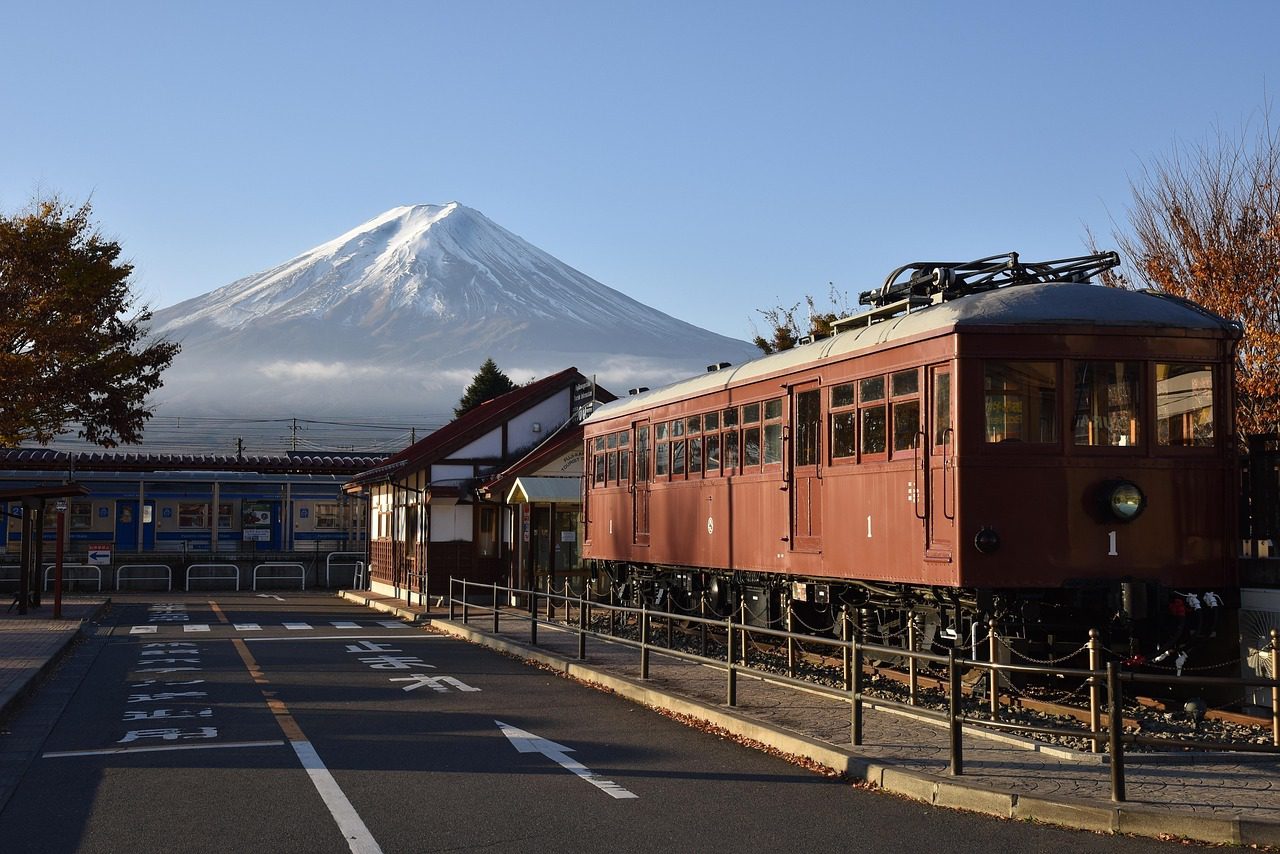
The clearest views of Mount Fuji occur during winter when the air is cold, dry, and free of humidity.
- Crisp blue skies
- Minimal cloud cover
- Best long-distance visibility
This is the most reliable season for viewing Fuji from locations like Lake Kawaguchiko, Hakone, and even Tokyo on clear days.
✔ Early Morning (All Year Round)
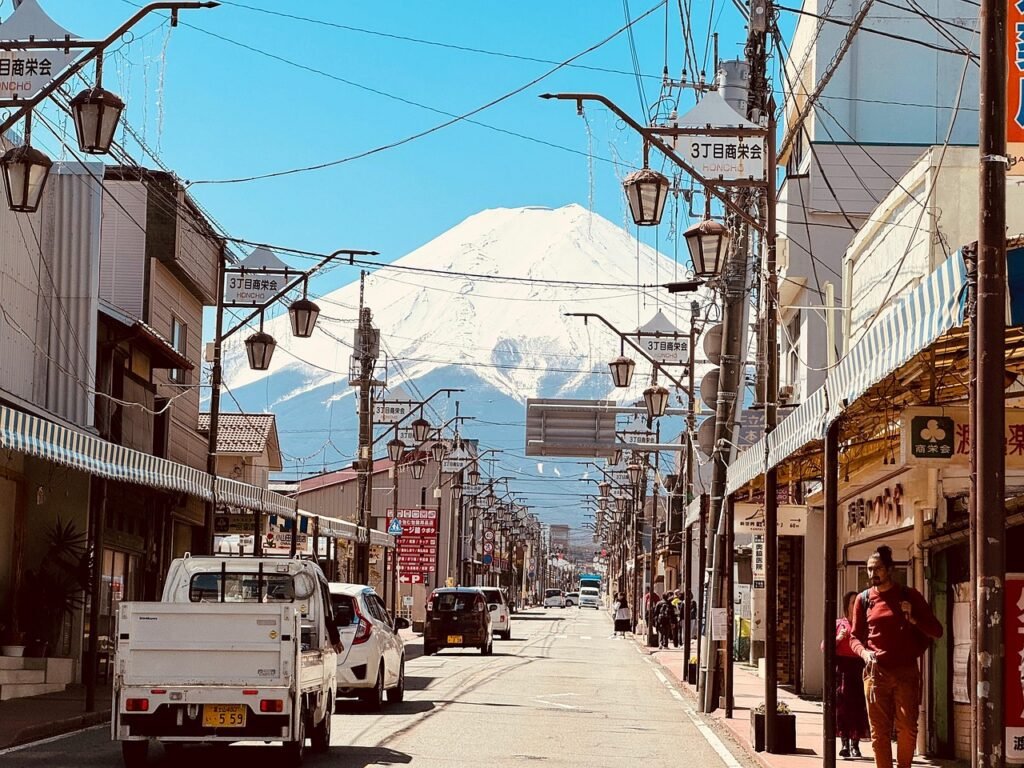
Early mornings offer the best visibility regardless of season. Sunrise to around 9:00 AM is ideal.
Times When Visibility Is Low
✘ Summer (June–August)
High humidity and cloud cover make summer the least reliable season for viewing Mount Fuji.
✘ September
Typhoon season and heavy rain often block visibility during this month.
Tips for Improving Your Chances of Seeing Mount Fuji
1. Check Visibility Forecasts
Use live forecasts and weather tools to check Fuji’s visibility before traveling.
2. Choose the Right Location
- Lake Kawaguchiko (best overall view)
- Hakone (weather-dependent)
- Gotemba (closer southern views)
- Tokyo/Yokohama (rare but possible on very clear days)
3. Use Live Cameras
Live webcams help confirm real-time visibility before you head out.
4. Stay Multiple Days
Staying 2–3 nights greatly increases your chances of seeing a clear summit view.
Bottom Line
- Best months: November to February
- Best time of day: Early morning
- Least reliable months: June to September
- Best strategy: Stay near Lake Kawaguchiko and monitor live conditions
With the right timing and a bit of luck, Mount Fuji reveals itself in a truly unforgettable way.