From Tokyo’s modern energy to Hakone’s mountains, Kyoto’s temples, Hiroshima’s heritage, and Osaka’s food culture
- Japan’s essential route connects its most iconic cities and landscapes.
- Modern capitals, former imperial cities, sacred islands, and coastal metropolises are linked by Japan’s high-speed rail network.
- This journey moves through contrast — between movement and reflection, history and innovation, culture and cuisine.
It begins in Tokyo.
Japan’s capital introduces the journey with scale and intensity. Skyscrapers, historic temples, and neon districts exist side by side, connected by one of the world’s most efficient transport systems.
From Asakusa’s Sensō-ji Temple to Meiji Shrine’s forested pathways and the energy of Shibuya Crossing, Tokyo shifts constantly between tradition and modernity.
A stay at Park Hotel Tokyo places the city’s skyline directly into view, framing the experience from above.
From Tokyo, the journey moves into Hakone.
Hakone offers a natural counterpoint — mountains, hot springs, and calm lakeside landscapes.
Lake Ashi and the Hakone Ropeway reveal views across volcanic terrain, with Mount Fuji visible on clear days.
A stay at Ichinoyu Honkan brings traditional ryokan hospitality into a setting defined by nature and stillness.
The route continues to Kyoto.
Kyoto is Japan’s cultural heart — a city of temples, shrines, gardens, and preserved historic districts.
Kinkaku-ji, Nijō Castle, Fushimi Inari Shrine, and Kiyomizu-dera reflect centuries of spiritual and architectural heritage.
A stay at The Gate Hotel Kyoto Takasegawa places you near the Kamo River and the city’s atmospheric streets.
From Kyoto, the journey moves toward Hiroshima.
Hiroshima is defined by reflection and renewal. Peace Memorial Park and the Atomic Bomb Museum form a powerful historical core.
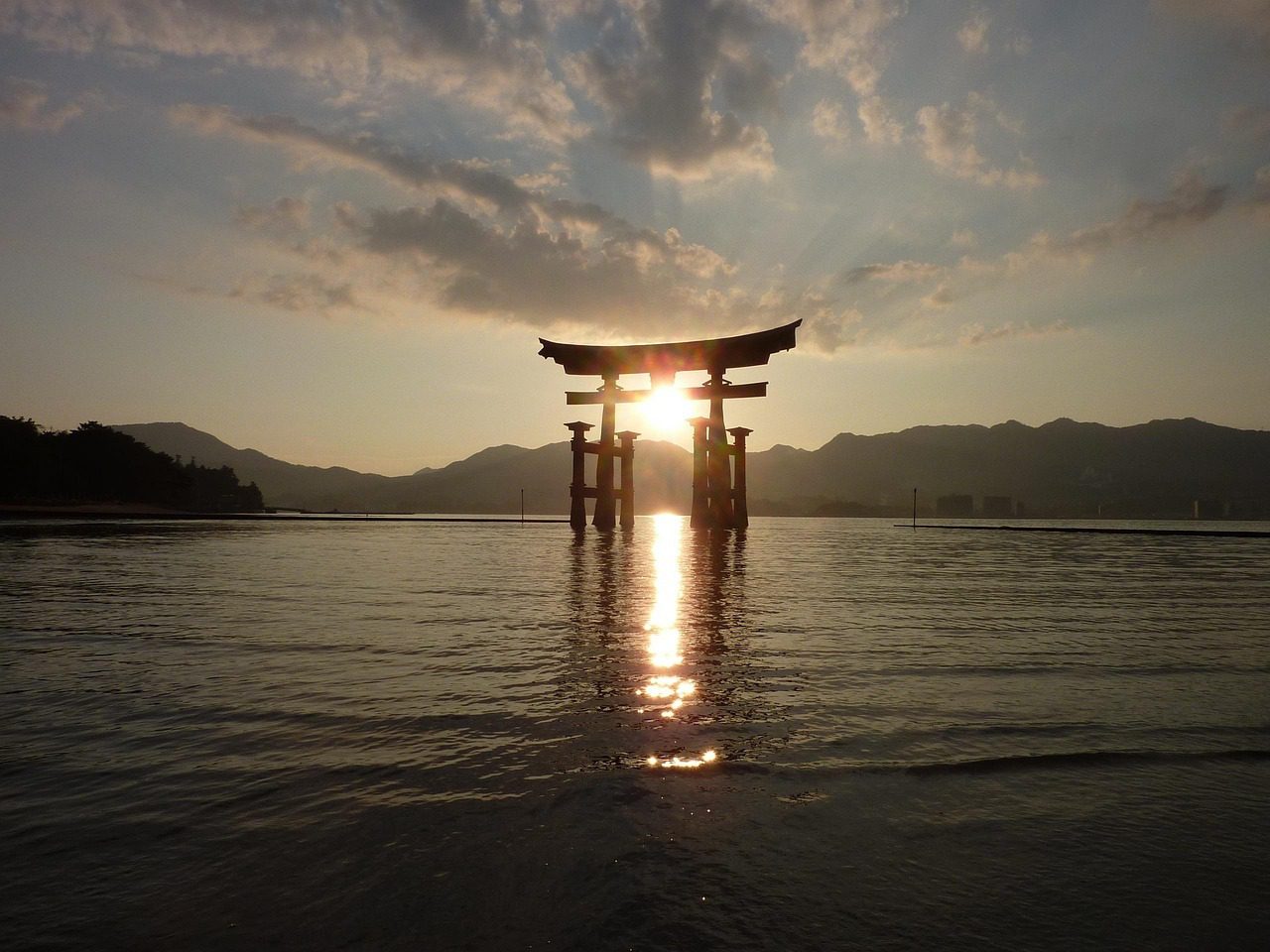
Just offshore, Miyajima Island offers contrast — forested slopes, shrine pathways, and the iconic floating torii gate rising from the sea.
A stay at Hotel Granvia Hiroshima connects both the city’s memorial landscape and its coastal surroundings.
The journey then reaches Osaka.
Osaka is Japan’s food capital — a city defined by energy, street culture, and nightlife.
Dotonbori’s neon reflections, Kuromon Market’s food stalls, and Osaka Castle’s historic presence create a layered urban experience.
A stay at Hotel Vischio Osaka places you within easy reach of both transport hubs and culinary districts.
The route concludes with a return to Tokyo.
The final evening brings the journey full circle — from regional discovery back to the capital’s dynamic skyline.
A stay at Hotel Metropolitan Tokyo provides convenient access for departure and a final glimpse of the city’s illuminated skyline.
In the end, this journey is defined by completeness.
Not one region, but many — connected through rail, culture, and shared history.
From Tokyo’s modern pulse to Hakone’s silence, Kyoto’s tradition, Hiroshima’s memory, and Osaka’s energy, each destination adds a distinct layer.
To travel this route is to experience Japan’s essential identity in a single continuous journey.
The Route at a Glance
- Tokyo — 3 nights (Park Hotel Tokyo)
- Hakone — 2 nights (Ichinoyu Honkan)
- Kyoto — 3 nights (The Gate Hotel Kyoto Takasegawa)
- Hiroshima — 2 nights (Hotel Granvia Hiroshima)
- Osaka — 2 nights (Hotel Vischio Osaka)
- Tokyo (return) — 1 night (Hotel Metropolitan Tokyo)