From Tokyo’s modern skyline to Hakone’s mountains, Takayama’s old streets, Kanazawa’s gardens, and Kyoto’s temples
- Japan’s Golden Route is the classic introduction to the country’s contrasts.
- High-speed cities, mountain towns, and imperial capitals connect through rail lines that reveal Japan’s layered identity.
- This journey is shaped by rhythm — moving between energy, tradition, nature, and cultural refinement.
It begins in Tokyo.
Japan’s capital is a city of scale and movement, where districts shift from neon density to quiet shrine spaces within a single journey.
From Shibuya Crossing to Asakusa’s Sensō-ji Temple, and from the Imperial Palace gardens to elevated views at Tokyo Skytree, the city reveals both intensity and restraint.
A stay at Park Hotel Tokyo frames the city from above, where skyline views become part of the experience itself.
From Tokyo, the journey moves into the mountains of Hakone.
Hakone offers a natural pause — hot springs, forested slopes, and views across Lake Ashi toward Mount Fuji on clear days.
The Old Tokaido Road reflects centuries of travel history, now surrounded by quiet landscapes and onsen culture.
A stay at Ichinoyu Honkan brings traditional ryokan hospitality into the heart of Hakone’s mountain environment.
The route then continues to Takayama.
Nestled in the Japanese Alps, Takayama preserves the atmosphere of the Edo period through wooden streets, morning markets, and traditional craft culture.
A stay at Hidatei Hanaougi offers hot spring baths, seasonal kaiseki dining, and a quiet connection to mountain life.
The historic Higashiyama district and local festivals reflect a strong sense of cultural continuity.
From the mountains, the journey descends into Kanazawa.
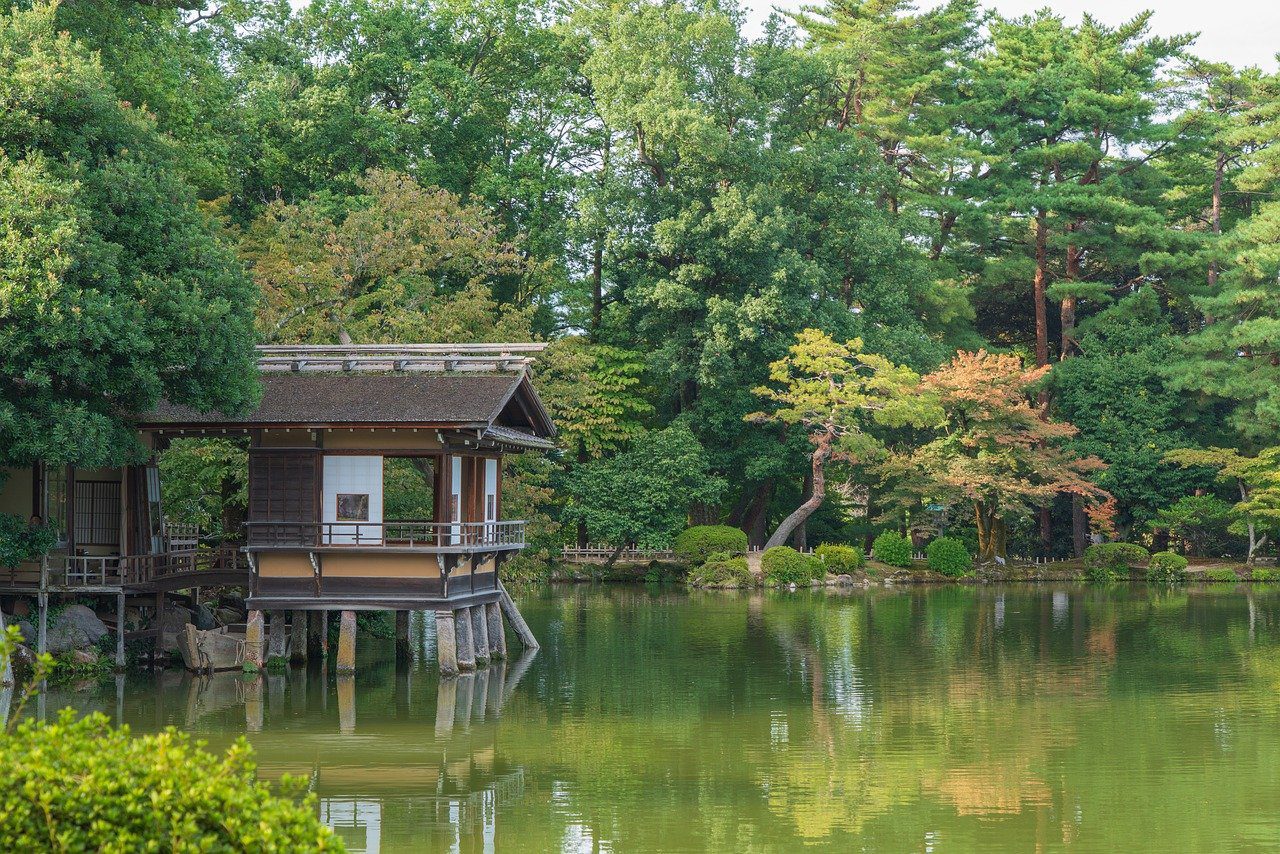
Kanazawa is defined by refinement — samurai districts, geisha teahouses, and one of Japan’s most celebrated gardens.
Kenroku-en Garden shifts with the seasons, offering structure, stillness, and natural beauty in equal measure.
A stay at ANA Crowne Plaza Kanazawa places you close to both modern conveniences and historic neighbourhoods.
The final stage is Kyoto.
Kyoto is Japan’s cultural heart — a city where temples, shrines, and traditional streets form a layered historical landscape.
From Kinkaku-ji’s Golden Pavilion to Kiyomizu-dera’s hillside views, each site reflects centuries of spiritual and architectural heritage.
A stay at The Gate Hotel Kyoto Takasegawa positions you near the Kamo River and the city’s historic districts.
In the end, the Golden Route is defined by connection.
Not isolated destinations, but a continuous thread linking modern Japan with its historical and natural landscapes.
From Tokyo’s energy to Hakone’s calm, Takayama’s tradition, Kanazawa’s elegance, and Kyoto’s depth — each stop adds another layer to the journey.
To travel this route is to experience Japan’s most iconic balance of past and present in a single, seamless journey.
The Route at a Glance
- Tokyo — 4 nights (Park Hotel Tokyo)
- Hakone — 1 night (Ichinoyu Honkan)
- Takayama — 2 nights (Hidatei Hanaougi)
- Kanazawa — 1 night (ANA Crowne Plaza Kanazawa)
- Kyoto — 3 nights (The Gate Hotel Kyoto Takasegawa)