Discover Kyoto: A Traveller’s Guide to Japan’s Ancient Capital

Kyoto is where Japan’s history, culture and tradition come alive — a city where centuries-old temples and tranquil gardens sit beside charming old towns and vibrant neighbourhoods. Whether you’re chasing the golden glow of historic temples, the quiet charm of old lanes, or the natural calm of bamboo and riverbanks, this guide will help shape your ideal Kyoto journey.


Where to Stay

  • Central & Convenient: Choosing accommodation near central Kyoto (near the main station or downtown) gives you easy access to transport, nightlife, shopping and dining — ideal if you want to maximize time and explore widely.

  • Historic & Traditional: Staying in or near older districts lets you soak in the old-world atmosphere — think traditional architecture, narrow lanes, and proximity to temples or quaint streets.

  • Relaxed or Nature-Adjacent: For those who want a slower rhythm, lodgings just outside central Kyoto — closer to tranquil areas, parks, or river valleys — can offer a quieter, more peaceful stay.

Your perfect base depends on what you want: convenience, cultural atmosphere or calm serenity.


What to Do: Key Experiences & District Highlights

✨ Historic Temples, Shrines & Iconic Landmarks

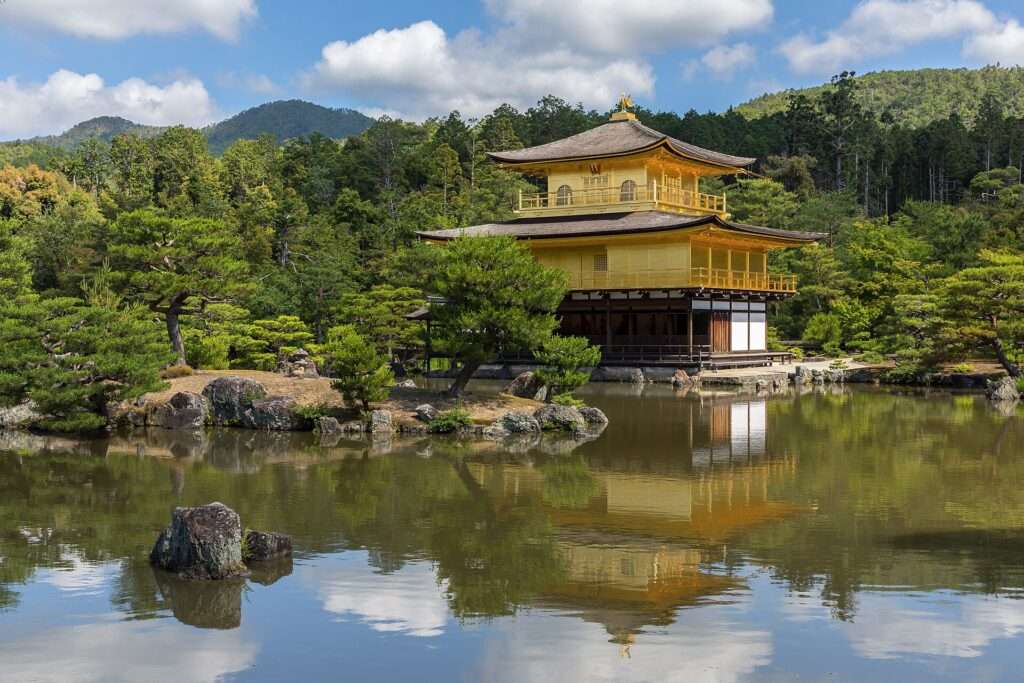
  • Kinkaku-ji (Golden Pavilion): A gleaming Zen temple with gold-leaf upper floors, mirrored by a peaceful pond — one of Kyoto’s most iconic and photogenic sights.

  • Kiyomizu-dera: Famous for its wooden stage jutting out over the hillside, offering sweeping views over Kyoto. Especially magical during cherry blossom season and autumn foliage.

  • Nijo Castle: A majestic example of feudal-era architecture — grand halls, historic walls, beautiful gardens. A glimpse into Japan’s past power structures and a nice contrast to the temple-filled sightseeing.


🌸 Wander Old Districts & Traditional Streets

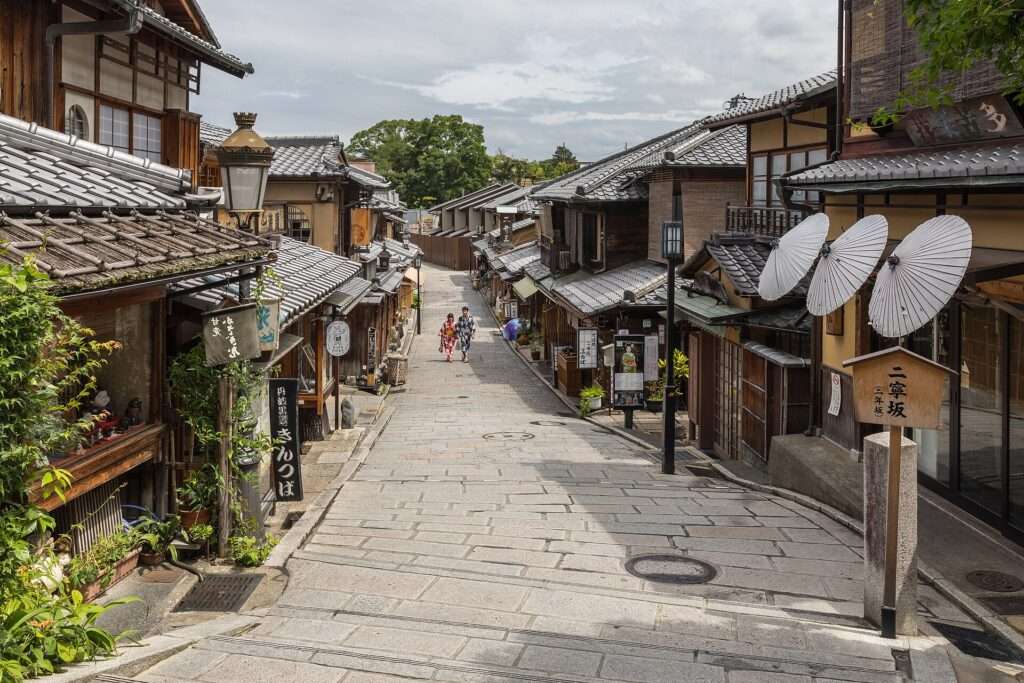
  • Higashiyama District: This area layers temple visits, narrow stone-paved alleys, preserved historic houses, charming shops and traditional tea houses. A stroll here feels like stepping back in time.

  • Explore lanes like Ninenzaka and Sannenzaka, lined with wooden machiya houses, small shops, and old-fashioned atmosphere — perfect for slow exploration and discovering Kyoto’s soul.


🍶 Traditional Culture & Local Flavours — Gion District & More

  • Gion remains Kyoto’s most evocative traditional quarter: historic wooden houses, atmospheric lanes, tea houses, and — with luck — a fleeting glimpse of a geisha or maiko on their way to an evening appointment.

  • As dusk falls, wandering Gion’s lantern-lit streets or nearby alleys gives a sense of timeless elegance — ideal for those seeking a cultural taste of Kyoto beyond sightseeing.


🌿 Nature, Tranquility & Scenic Corners — Escape the City Buzz

  • For a more relaxed pace, explore Kyoto’s natural side: beautiful gardens, peaceful temple grounds, parks, and riverside or forested areas. Spring blossoms and autumn colours make such spots especially magical.

  • Balance busy temple visits with quiet mornings or evenings in greener, calmer settings — ideal for slowing down, reflecting and soaking in Kyoto’s beauty at your own pace.


Timing & Duration: How Much Time Should You Spend

  • 3–5 days: Enough to cover major temples, historic districts, and a taste of traditional Kyoto.

  • 5–7 days (or more): Offers a fuller experience — more temples, deeper cultural immersion, time for slower walks, hidden gems, and even day trips beyond the city.

  • Best seasons to visit: Spring (cherry blossoms) and autumn (fall foliage) are spectacular in Kyoto — but also popular and busy. If you prefer fewer crowds, consider early morning visits or off-peak months.


Final Thoughts — Why Kyoto Works

Kyoto isn’t just a city — it’s a journey through time. From gilded pavilions and ancient wooden temples to narrow stone alleys and tea-house lanes, it offers a rich mix of history, culture and serenity. Whether you crave golden temples, traditional streets, a glimpse of Japan’s ancient past, or just a peaceful walk among cherry-blossom trees and quiet shrines — Kyoto delivers.

Use this guide as your starting map. Then, wander — you’ll discover the Kyoto that speaks to you.