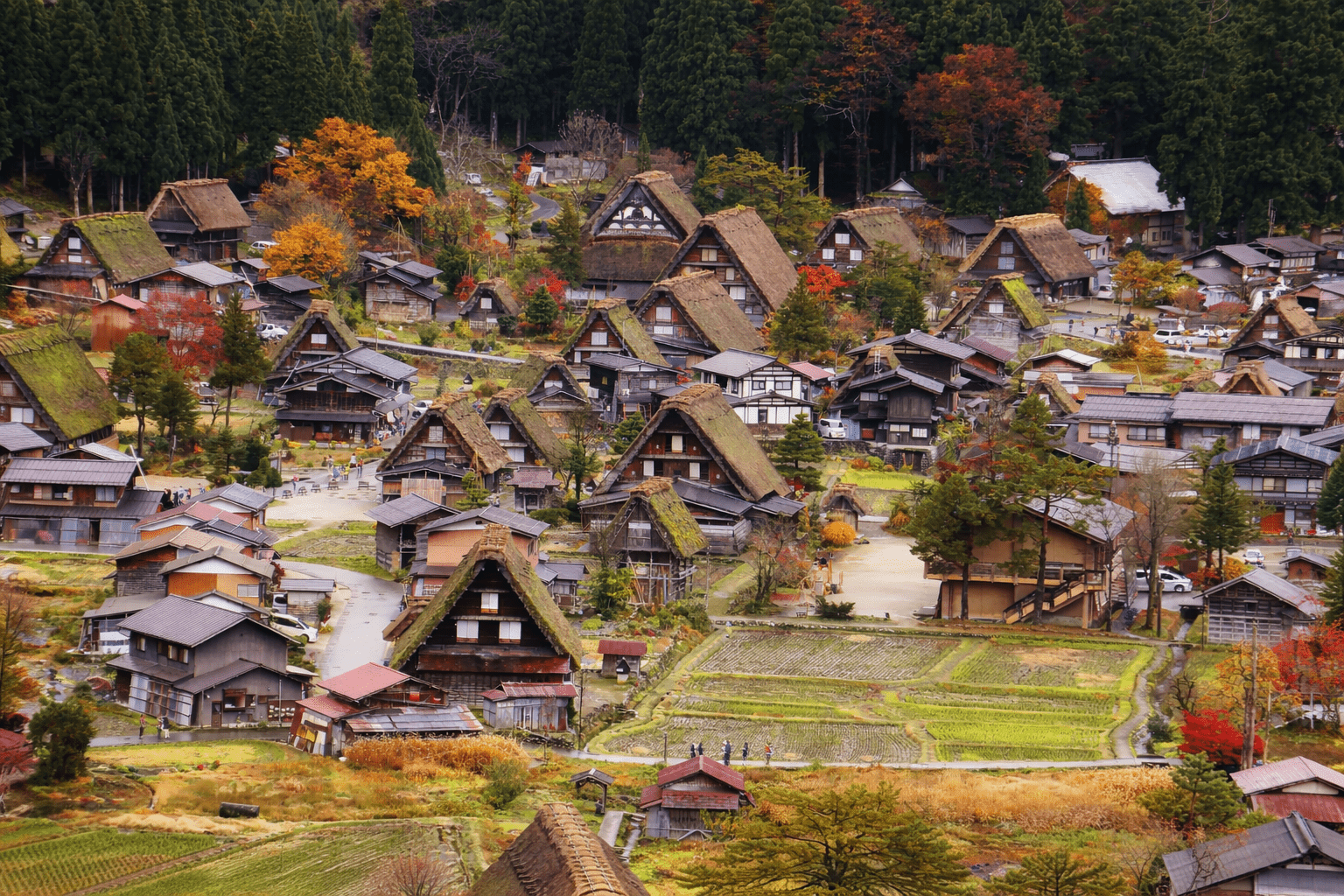
Kanazawa offers a different side of Japan — a city that moves quietly, values craftsmanship, and rewards those who take their time. Far from the fast energy of major cities, this coastal destination blends preserved history with understated sophistication.
From lantern-lit districts and meticulously designed gardens to fresh seafood and traditional arts, Kanazawa delivers a balanced, immersive experience without overwhelming first-time visitors.
Why Visit Kanazawa?
Often overlooked in favour of Tokyo or Kyoto, Kanazawa provides many of the same cultural elements — but in a more relaxed and accessible setting.
- Well-preserved historic districts with traditional architecture
- Renowned gardens and seasonal scenery
- Strong local craft culture including pottery and textiles
- Excellent seafood due to its coastal location
What the Experience Feels Like
Time in Kanazawa unfolds gently. Mornings begin quietly, with walks through calm streets or visits to gardens before the crowds arrive. Afternoons are ideal for exploring small shops, cafés, and galleries, while evenings often centre around relaxed dining.
Unlike larger cities, there is no pressure to rush. The city rewards slow travel — wandering without strict plans, discovering details, and enjoying the atmosphere as much as the attractions.
Key Areas to Explore
Historic Districts
Kanazawa’s preserved neighbourhoods are among its most distinctive features. Narrow lanes, wooden buildings, and subtle lighting create an atmosphere that feels both authentic and timeless.
- Traditional streets ideal for walking and photography
- Small independent shops and quiet cafés
- A strong sense of historical continuity
Gardens and Green Spaces
The city is known for its carefully designed outdoor spaces, which change beautifully with the seasons.
- Spring brings blossoms and fresh greenery
- Autumn offers vibrant foliage and cooler air
- Peaceful environments perfect for slow exploration
Culture and Cuisine
Kanazawa has a deep connection to traditional arts and regional food.
- Local crafts such as ceramics and textiles
- Markets and restaurants featuring fresh seafood
- A balance of modern dining and traditional flavours
How Long to Stay
The ideal length of stay depends on how deeply you want to explore.
- 2–3 days: Enough time to see main districts, gardens, and enjoy local food
- 4–5 days: Allows a slower pace with time for cafés, crafts, and nearby coastal areas
Where to Stay
Accommodation in Kanazawa ranges from modern hotels to traditional ryokan, depending on the type of experience you want.
- City Centre: Convenient for transport, restaurants, and main attractions
- Historic Areas: More atmospheric and immersive surroundings
- Quiet Outskirts: Ideal for relaxation and a slower pace
Best Time to Visit
Kanazawa is enjoyable year-round, but certain seasons stand out.
- Spring: Mild weather and blooming landscapes
- Autumn: Rich colours and comfortable temperatures
These periods offer the best balance of scenery and comfortable travel conditions.
Common Mistakes to Avoid
- Rushing through the city without allowing time to explore slowly
- Only visiting major spots and missing smaller local areas
- Not trying regional seafood and local specialities
- Treating Kanazawa as a quick stop instead of a destination
Travel Tip
Kanazawa is best experienced with a flexible mindset. Rather than planning every hour, leave space in your itinerary for unplanned walks, small discoveries, and quiet moments — these often become the highlight of the trip.
Final Thoughts
Kanazawa is not about spectacle — it’s about detail, balance, and atmosphere. It offers a version of Japan that feels refined yet approachable, traditional yet calm.
For travellers looking to go beyond the usual destinations, it provides a rewarding experience that stays with you long after the journey ends.