Hiroshima is a city defined by resilience, remembrance, and renewal. Once marked by tragedy, it has transformed into one of Japan’s most peaceful and forward-looking destinations. Visitors arriving in Hiroshima immediately sense a city that balances history, culture, and natural beauty—a place where memory is honored, yet life pulses vibrantly through modern streets, gardens, and islands.
From solemn memorials to serene islands, Hiroshima presents a rare balance of emotional depth and scenic tranquility, offering experiences that touch both the mind and the heart.
Why Visit Hiroshima
Hiroshima offers one of Japan’s most profound cultural and historical experiences. It is a city where remembrance coexists with hope, and where natural beauty blends seamlessly with urban life. Key highlights include:
- Hiroshima Peace Memorial Park and UNESCO-listed Atomic Bomb Dome: Spaces that embody resilience, remembrance, and hope for the future.
- Miyajima Island and the iconic floating torii gate: A serene escape from the city, full of spiritual significance and scenic beauty.
- Scenic coastal landscapes of the Seto Inland Sea: Peaceful views, hiking trails, and island-hopping adventures.
- Deep cultural heritage and evolving modern city life: Museums, local cuisine, and lively neighborhoods showcase Hiroshima’s living culture.
Hiroshima is not just a city to visit—it is a city to reflect, to connect with history, and to witness how humanity can rebuild with hope.
Peace Memorial & Historical Sites
Hiroshima Peace Memorial Park
Hiroshima Peace Memorial Park is a deeply moving space dedicated to the victims of the atomic bombing in 1945. The park spans over 120,000 square meters and is meticulously designed to promote peace and global understanding. Key features include:
- Monuments honoring victims and survivors of the bombing.
- Reflective pools and walking paths that encourage contemplation.
- Seasonal cherry blossoms, which contrast poignantly with the city’s tragic history.
Visitors often describe walking through the park as a quiet, humbling experience that fosters both respect and hope for a more peaceful world.
Atomic Bomb Dome
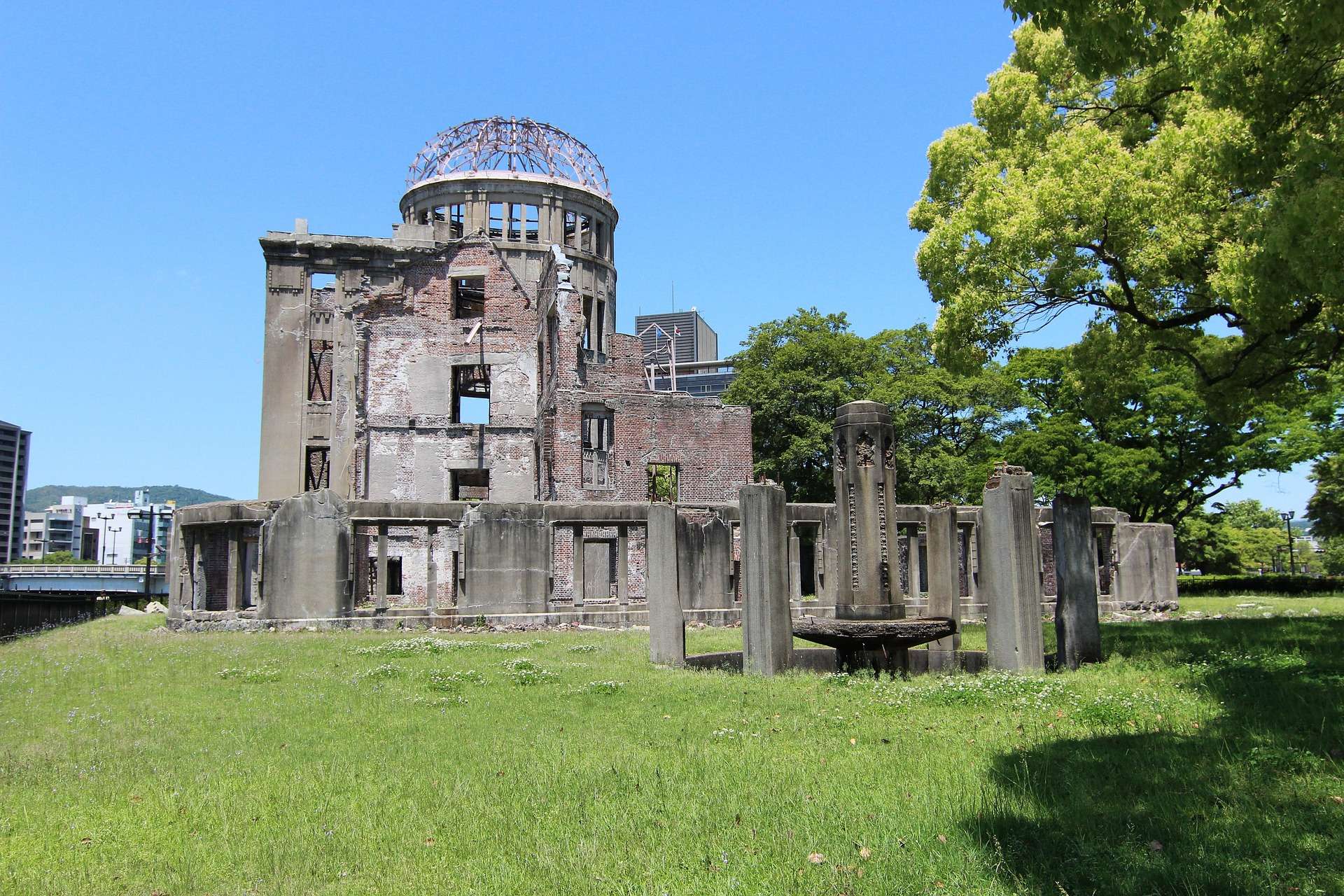
The Atomic Bomb Dome, preserved as a UNESCO World Heritage site, stands as one of Hiroshima’s most powerful symbols. Its skeletal structure, frozen in time, conveys the magnitude of the 1945 bombing. Visitors can:
- Observe the preserved ruins and surrounding memorials.
- Learn about the human impact of nuclear weapons through plaques and exhibits.
- Reflect on Hiroshima’s journey from devastation to global symbol of peace.
Peace Memorial Museum
The Hiroshima Peace Memorial Museum provides a comprehensive educational experience. It is both emotional and enlightening, offering insights into:
- The events of August 6, 1945, and the aftermath of the bombing.
- The personal stories of survivors, known as hibakusha.
- Global efforts toward nuclear disarmament and peace education.
Walking through the museum, visitors gain a profound understanding of history, resilience, and the importance of preserving peace.
Miyajima & Scenic Experiences
Just a short ferry ride from Hiroshima, Miyajima Island offers one of Japan’s most iconic and serene landscapes. Known as Itsukushima, the island is a harmonious blend of nature, spirituality, and cultural heritage. Highlights include:
- Itsukushima Shrine and the floating torii gate: This UNESCO World Heritage site appears to float on the water during high tide, offering a picture-perfect view.
- Deer roaming freely through forested pathways, adding a charming touch to the island’s peaceful ambiance.
- Hiking trails such as Mount Misen, offering panoramic views of the Seto Inland Sea and surrounding islands.
- Traditional streets lined with shops selling local crafts, momiji manju (maple leaf-shaped pastries), and regional cuisine.
Miyajima’s serene atmosphere provides a reflective counterpoint to the city’s urban energy, allowing visitors to experience Japan’s spiritual and natural side.
Seasonal Beauty of Hiroshima & Miyajima
Hiroshima’s landscapes and seasonal changes enhance the visitor experience, providing unique visuals year-round:
- Spring: Cherry blossoms bloom across Peace Memorial Park and Shukkeien Garden, creating ethereal settings for walking and photography.
- Summer: The city hosts vibrant festivals, and coastal breezes along Miyajima’s shorelines make the heat comfortable.
- Autumn: Fiery maple leaves on Miyajima Island create stunning contrasts against wooden shrines and traditional streets.
- Winter: Calm seas, quiet streets, and soft snow offer serene landscapes, perfect for reflective walks and photography.
Practical Tips for Visitors
To fully enjoy Hiroshima and Miyajima, consider the following advice:
- Timing: Early mornings or late afternoons provide quieter experiences at popular sites.
- Transportation: Hiroshima has an efficient tram and ferry system—purchase a day pass for convenience.
- Respect local customs: When visiting shrines, temples, or memorials, follow etiquette such as bowing, quiet reflection, and removing shoes when required.
- Guided tours: Local guides provide historical context, cultural insight, and access to hidden gems.
- Try local cuisine: Okonomiyaki, oysters from Miyajima, and regional sweets enrich the cultural experience.
- Combine nearby attractions: Consider visiting Shukkeien Garden, Hiroshima Castle, or small islands in the Seto Inland Sea for a fuller journey.
Historical Context & Cultural Insight
Hiroshima’s history spans centuries, but the atomic bombing of 1945 remains its defining moment. The city’s post-war reconstruction is a story of human resilience, urban planning, and social determination. Today, Hiroshima balances historical preservation with modernization, demonstrating how a city can honor its past while embracing the future.
Miyajima Island, in contrast, has long been a center of spirituality and natural beauty. Its shrines, forests, and hiking trails reflect centuries-old Shinto beliefs, emphasizing harmony between humans and nature. Visiting Miyajima offers insight into Japan’s religious heritage and the enduring importance of ritual and seasonal awareness.
Visitor Experiences & Reflections
Walking through Hiroshima and Miyajima is an emotional and immersive journey. Visitors often report:
- A sense of solemn reflection and understanding of history.
- Deep appreciation for Japan’s natural beauty and spiritual sites.
- Moments of personal contemplation along serene canals, shrine pathways, or scenic viewpoints.
- Connection to the resilience of human communities in the face of adversity.
Final Thoughts
Hiroshima and Miyajima exemplify the resilience, beauty, and cultural depth of Japan. From the poignant Peace Memorial Park and Atomic Bomb Dome to the ethereal landscapes of Miyajima, this region offers visitors a rare combination of emotional reflection, scenic exploration, and cultural immersion.
Every corner of the city and island invites contemplation, connection, and appreciation, making the journey not just a visit, but an experience that stays with travelers long after they leave.
By exploring Hiroshima and Miyajima thoughtfully, visitors gain insight into the enduring values of peace, resilience, and harmony—principles that continue to define the spirit of this remarkable region.