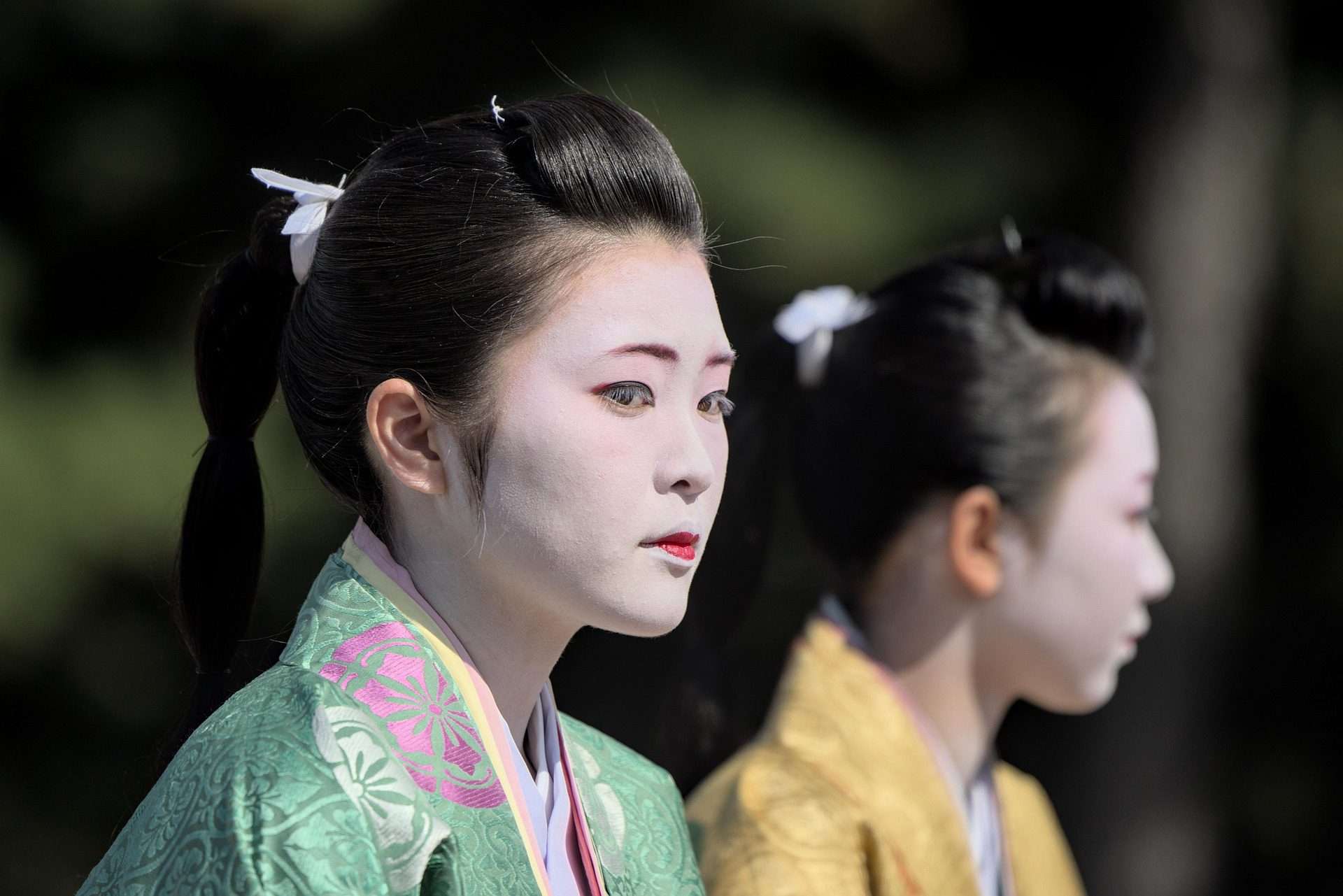
Gion, Kyoto’s most iconic geisha district, stands as a living testament to centuries of Japanese artistry, tradition, and urban elegance. Walking through its lantern-lit streets, visitors are immediately transported back in time, where wooden machiya houses line narrow alleys and the refined presence of geiko and maiko evokes a culture steeped in ritual, aesthetics, and social sophistication.
Why Visit Gion
Gion offers a unique window into Kyoto’s past, presenting not just a scenic district but a space where traditional performing arts, architecture, and social etiquette remain vibrantly alive. For visitors, it’s a chance to witness history unfolding in everyday life. Key highlights include:
- Active geisha and maiko culture: Traditional tea houses continue to host private performances.
- Historic wooden machiya townhouses: Many structures are over 300 years old, preserving architectural techniques and spatial aesthetics.
- Lantern-lit streets: The evening ambiance is enchanting, offering perfect photography and immersive experiences.
- Seasonal beauty: From cherry blossoms in spring to golden leaves in autumn, every visit offers unique visuals.
Gion is one of the few places in Japan where history is not confined to museums—it lives in daily interactions, festivals, and the rhythm of the streets themselves.
Top Experiences in Gion
Hanamikoji Street
Arguably the most famous street in Gion, Hanamikoji is lined with preserved teahouses where geiko and maiko perform traditional arts. Visitors can:
- Spot a geiko hurrying to an engagement in her full attire.
- Observe elegant architectural details of machiya houses, such as latticed windows and wooden sliding doors.
- Experience the contrast between bustling daytime shops and serene evening ambiance.
Shirakawa Canal
This romantic riverside walkway is framed by willow trees, stone bridges, and historic architecture. Highlights include:
- Evening lanterns reflecting off the water for a magical atmosphere.
- Quiet spots for photography or contemplation.
- Proximity to hidden cafes and artisan shops.
Yasaka Shrine
A vibrant cultural landmark in central Gion, Yasaka Shrine features bright vermilion gates, traditional lanterns, and lively festivals throughout the year. Visitors can:
- Participate in seasonal matsuri (festivals).
- Observe ritual practices and shrine architecture.
- Combine a shrine visit with a scenic walk along Gion streets.
Tea Houses, Crafts & Cultural Engagement
Gion’s charm is not purely visual; it offers deep cultural immersion. Visitors can engage in:
- Traditional tea ceremonies: Enjoy matcha tea paired with wagashi sweets, guided by tea masters in historic teahouses.
- Artisan crafts: Learn about handcrafted fans, kimonos, ceramics, and woodwork, often passed down through generations.
- Occasional geiko and maiko performances: Some tea houses host intimate shows, allowing visitors to witness centuries-old traditions firsthand.
- Polite cultural etiquette: Observing local customs, such as bowing and respectful conversation, enhances the immersive experience.
Seasonal Beauty of Gion
- Spring: Cherry blossoms along Shirakawa Canal and tea house gardens create ethereal settings.
- Summer: Evening lantern festivals, warm nights, and gentle river breezes evoke a timeless atmosphere.
- Autumn: Golden maple leaves frame wooden streets, offering breathtaking views and photographic opportunities.
- Winter: Soft snow transforms narrow streets into serene, quiet landscapes, emphasizing the contrast between seasonal cycles and human habitation.
Practical Tips for Visitors
- Plan your visit around timing: Early evening is ideal for seeing geiko while avoiding crowds.
- Respect privacy: Do not intrude into private teahouse areas or photograph geiko without consent.
- Use local guides: Guided walking tours provide historical context and access to hidden gems.
- Try traditional cuisine: Sampling Kyoto-style kaiseki or sweets enhances the cultural immersion.
- Combine nearby attractions: Visit Yasaka Shrine, Maruyama Park, and Kiyomizu-dera for a fuller Kyoto experience.
Historical Context & Cultural Insight
Gion’s origins trace back to the late 16th century, developing alongside Kyoto’s rise as Japan’s imperial capital. The district flourished as a hub for performing arts, commerce, and entertainment. Geiko (Kyoto dialect for geisha) were trained in classical music, dance, and etiquette, serving as cultural ambassadors of Japanese aesthetics.
During the Edo period, Gion became synonymous with refinement and ritual. Tea houses were more than entertainment venues—they were centers for learning, social networking, and cultural exchange. The wooden machiya houses reflected architectural ingenuity, balancing narrow street frontage with deep interior gardens, optimizing both privacy and social display.
Understanding Geiko & Maiko Culture
Geiko and maiko represent a disciplined lifestyle of artistry and cultural preservation:
- Training: Maiko apprentices undergo years of training in dance, music, and etiquette before becoming full geiko.
- Performances: Private performances in tea houses maintain exclusivity and intimacy.
- Symbolism: Hairstyles, kimono patterns, and makeup convey age, experience, and seasonal references.
- Social role: Historically, geiko served as conversation partners, musicians, and cultural guides for elite and common patrons alike.
Local Festivals & Events
Gion’s calendar features seasonal events that reveal the district’s living culture:
- Gion Matsuri (July): Kyoto’s largest festival, featuring ornate floats, street processions, and traditional performances.
- Autumn moon-viewing events: Tea houses and temples host cultural nights celebrating seasonal change.
- Cherry blossom celebrations: River paths and temple gardens host hanami gatherings with local delicacies.
Visitor Experiences & Reflections
Walking Gion is not just sightseeing—it’s an immersion into Kyoto’s living history. Patrons often report:
- A sense of tranquility and elegance amidst urban surroundings.
- Appreciation for subtle architecture and craftsmanship.
- Deepened understanding of Japanese performing arts and cultural etiquette.
- Moments of reflection inspired by the district’s serene canals and shaded streets.
Conclusion
Gion exemplifies timeless Kyoto elegance. It is a district where tradition, artistry, and history converge seamlessly, offering visitors a rare glimpse of Japan’s cultural soul. From the lantern-lit streets and tea houses to seasonal festivals and geiko performances, Gion encourages slower, mindful exploration and leaves a lasting impression on all who wander its storied alleys.
For anyone seeking to experience the essence of Kyoto—beyond shrines and temples—Gion provides an immersive journey into centuries of refinement, artistry, and social sophistication.