The Kii Peninsula is one of Japan’s most atmospheric travel destinations. Known for sacred mountains, ancient pilgrimage routes, hot springs, and a dramatic coastline, it offers a slower, more reflective way to travel — where walking, nature, and spirituality take precedence over speed.
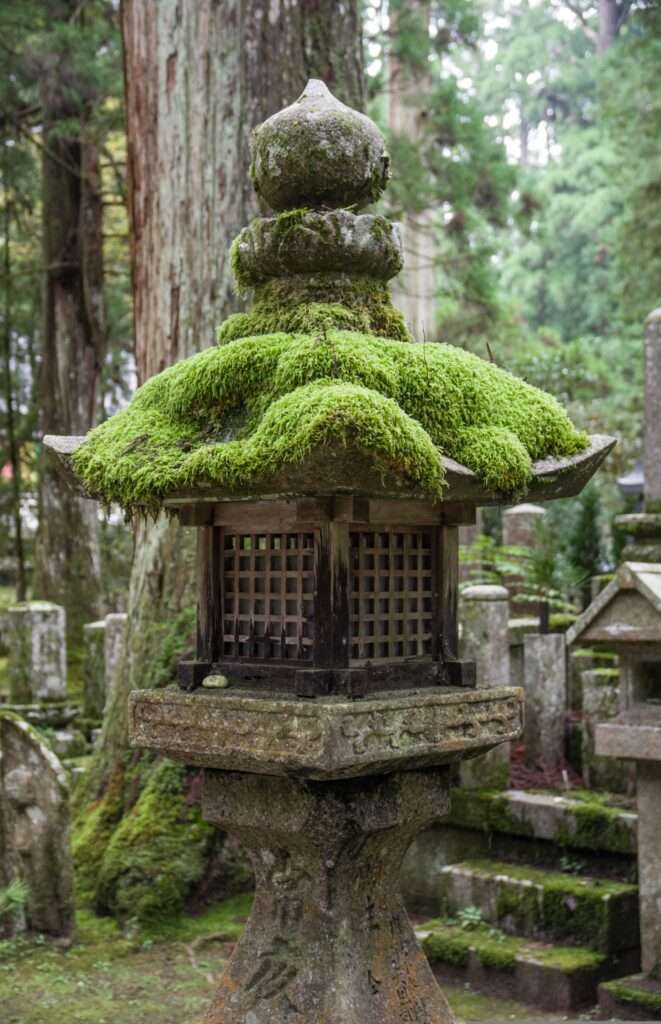
Mount Kōya: Sacred Stillness
Mount Kōya, or Kōyasan, is the spiritual heart of the region. Temple complexes, forested paths, and the haunting beauty of Okunoin Cemetery create a deeply reflective atmosphere. Staying overnight in a temple offers a rare glimpse into monastic life, with vegetarian meals and morning prayers.
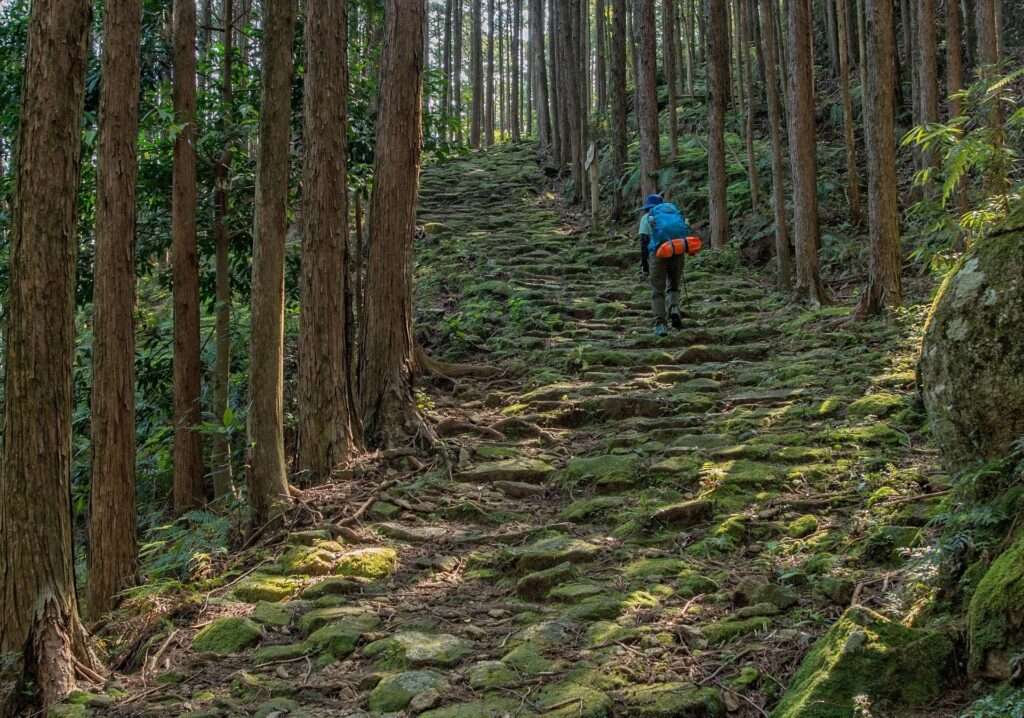
Kumano Kodo, Trekking
Kumano Kōdō Pilgrimage Trails
The Kumano Kōdō is a network of ancient pilgrimage routes winding through mountains and villages. Whether walking a short section or hiking for days, the experience is peaceful and immersive — defined by forest paths, stone steps, waterfalls, and silence.
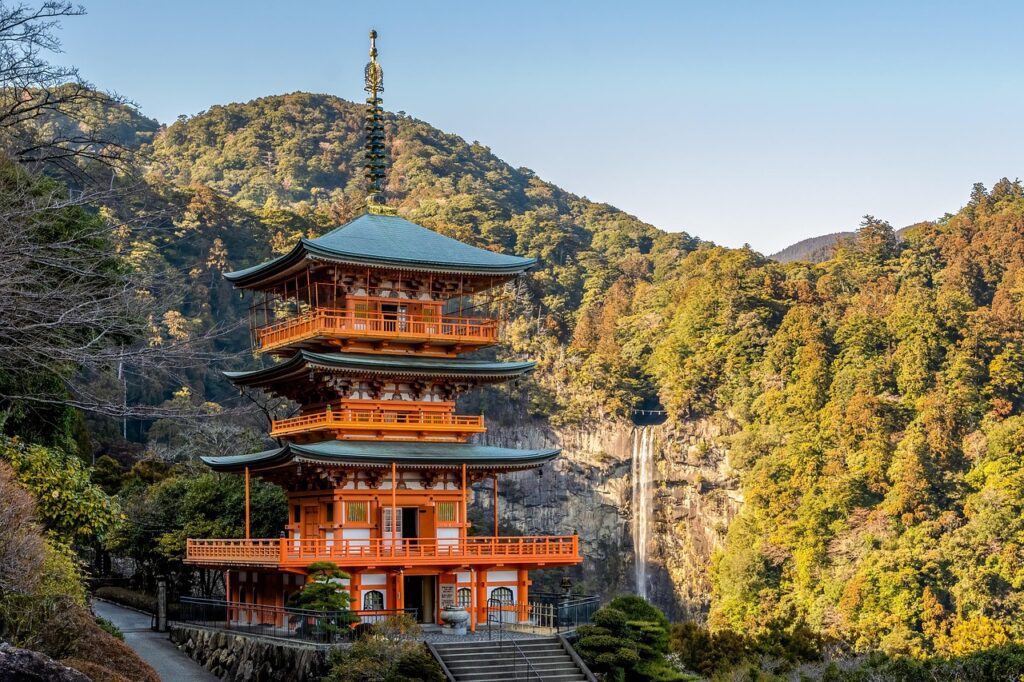
Shrines, Onsen & Coastal Life
The Kumano Sanzan shrines — Hongū Taisha, Nachi Taisha, and Hayatama Taisha — represent renewal and spiritual connection. Nearby, hot spring villages and rugged coastlines offer relaxation and contrast, where sea air, simple seafood, and quiet towns complete the experience.
Top Experiences
Stay overnight in a temple at Mount Kōya
Walk sections of the Kumano Kōdō pilgrimage
Visit the Kumano Sanzan sacred shrines
Relax in traditional onsen villages
Explore coastal towns and enjoy fresh seafood
Suggested Duration
3–5 Days — Visit Mount Kōya, experience a short pilgrimage walk, and relax in an onsen village.
6–8 Days — Walk deeper into the Kumano Kōdō, explore multiple shrines, coastal areas, and enjoy a slower, immersive journey.
Top Hotels & Ryokans
- Ekoin Temple (Koyasan)
- Kawayu Midoriya (Kawayu Onsen)
- Yunomine Onsen Adumaya Ryokan
- Hotel Urashima (Nachikatsuura)
- Nanki Shirahama Marriott Hotel
*Clicking links may earn a commission via Hotels.com.
Plan Your Kii Peninsula Journey
The Kii Peninsula is not about rushing from place to place. It is about walking ancient paths, soaking in hot springs, and reconnecting with nature. Take your time, follow the trails, and let the landscape guide your journey.