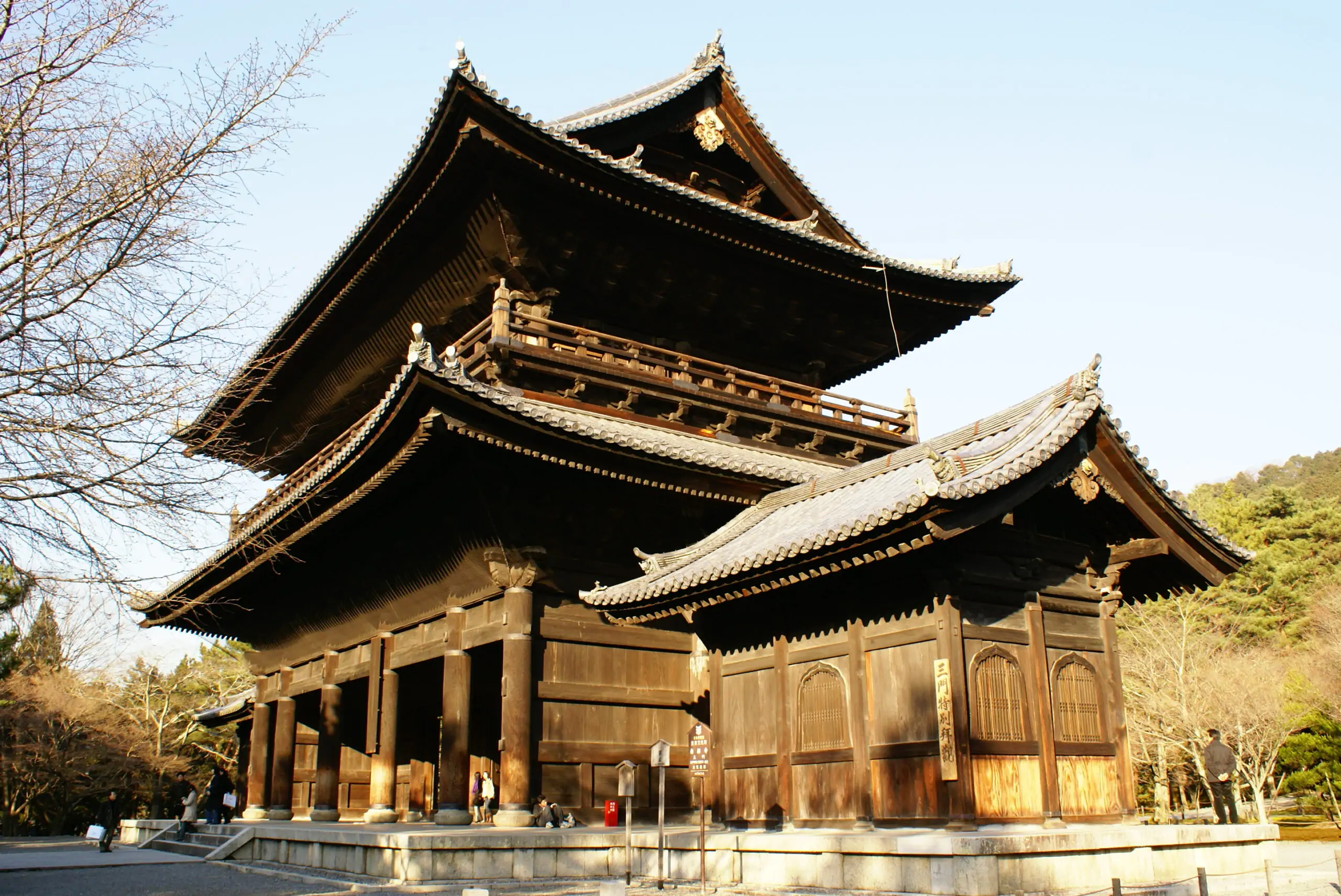
Kyoto’s Timeless Zen Masterpiece: Nanzen-ji Temple
A Living Expression of Zen
Nanzen-ji Temple is not just one of Kyoto’s most important Zen temples — it is a living testament to centuries of spiritual discipline, architectural elegance, and quiet contemplation. Founded in 1291 by Emperor Kameyama, the temple has survived wars, fires, and multiple reconstructions, yet continues to embody the core principles of Zen philosophy.
Walking through Nanzen-ji is an invitation to **slow down, observe, and reflect**. Its gardens, halls, and pathways offer a meditative experience that is rare in the bustling streets of modern Kyoto.
History of Nanzen-ji
Originally an imperial villa, Nanzen-ji was converted into a Zen temple during the Kamakura period. Its transformation marked the beginning of its role as a central hub for **Rinzai Zen Buddhism**, influencing Kyoto’s spiritual and cultural identity for centuries.
Key historical points include:
- Founded in 1291 by Emperor Kameyama
- Survived multiple wars and reconstructions
- Recognized as part of the UNESCO World Heritage “Historic Monuments of Ancient Kyoto”
- Central training ground for Zen monks
Zen, at Nanzen-ji, is not found in noise or movement — it is found in **stillness, stone, and silence**.
Temple Grounds & Architecture
Nanzen-ji is a masterpiece of harmony between **nature and design**. Its architecture, landscaping, and spatial planning exemplify the Zen aesthetic of simplicity and contemplation.
- Sanmon Gate: One of Japan’s largest temple gates, offering a panoramic view of the grounds and a subtle sense of awe.
- Main Halls: Houses meditation spaces and historical artifacts reflecting centuries of Zen practice.
- Rock Gardens: Symbolic arrangements of stones, sand, and moss representing emptiness, balance, and mindfulness.
- Moss-Covered Paths: Winding walkways that change with the seasons, inviting reflective walking and quiet observation.
- Bamboo Groves & Forest Trails: Surrounding natural areas enhance the meditative atmosphere and offer seasonal exploration.
Every corner of Nanzen-ji is **carefully curated to foster calm, focus, and contemplation**, making it a spiritual oasis within urban Kyoto.
The Suirokaku Aqueduct
One of the temple’s most distinctive features is the **Suirokaku Aqueduct**, a striking brick structure built during the Meiji era.
Unlike traditional temple architecture, it **blends Western engineering with Japanese aesthetics**, creating a unique fusion that is highly photogenic.
Key highlights include:
- Constructed in the 19th century during the Meiji period
- Still carries water throughout Kyoto today
- Popular spot for photography, especially framed by cherry blossoms in spring and vibrant maple leaves in autumn
- Walking paths underneath allow visitors to experience the aqueduct’s scale and design up close
The Suirokaku Aqueduct demonstrates **how Japan’s cultural landscape embraces both tradition and innovation**, adding another layer to Nanzen-ji’s timeless appeal.
Seasonal Highlights
Nanzen-ji is spectacular year-round, with each season offering a distinct Zen experience:
- Spring: Cherry blossom season bathes the temple grounds and aqueduct in soft pink, creating picture-perfect meditation spots.
- Summer: Lush greenery surrounds the rock gardens and moss paths, offering cool shade and peaceful walking trails.
- Autumn: Vibrant maple leaves contrast against the dark wooden halls and red brick of the aqueduct, creating iconic Kyoto imagery.
- Winter: Quiet snow-covered grounds and frost on the bamboo groves amplify the feeling of serenity and stillness.
Visiting Nanzen-ji Temple
A visit to Nanzen-ji can be **tailored to your interest and pace**, making it ideal for both casual travelers and those seeking deep spiritual insight.
- Best Season: Cherry blossom season (late March–early April) and autumn foliage (November) are particularly photogenic.
- Time Needed: 1–2 hours for a full exploration, though meditative visitors may linger longer.
- Photography: Allowed outdoors; indoor photography is restricted to protect sacred spaces.
- Access: A short bus ride or walk from Keage Station on the Kyoto subway, easily reachable yet removed from the hustle of the city.
Hidden Corners & Lesser-Known Gems
While the main grounds of Nanzen-ji are impressive, there are **hidden spots** worth exploring:
- Hojo Garden: A traditional Zen garden behind the main hall, often overlooked by casual visitors.
- Quiet Bamboo Paths: Paths behind the aqueduct offer a secluded walk with natural shade and seasonal beauty.
- Small Meditation Halls: Less-trafficked areas where visitors can practice silent reflection.
- Forest Trails: Short hiking paths leading from the temple into the surrounding hills, especially stunning in autumn.
These quieter areas allow visitors to experience **true Zen stillness** and connect with nature in an intimate way.
Local Experiences Near Nanzen-ji
Beyond the temple itself, the surrounding Kyoto area offers experiences that **complement the spiritual atmosphere** of Nanzen-ji:
- Philosopher’s Path: A 2 km riverside walk lined with cherry trees, perfect for reflective walking before or after visiting the temple.
- Nearby Tea Houses: Traditional tea ceremonies with seasonal wagashi (Japanese sweets) provide a cultural immersion.
- Kyoto Craft Shops: Artisan shops nearby offer pottery, textiles, and lacquerware, perfect for meaningful souvenirs.
- Local Temples: Eikan-do and Nanzen-in are just minutes away and offer additional quiet reflection spots.
Why Nanzen-ji is a Must-Visit
Nanzen-ji is more than a historic structure — it is a **living meditation space** where history, architecture, and nature converge.
Its combination of massive gates, tranquil gardens, flowing aqueduct, and seasonal landscapes creates a **rare harmony**. Visitors often leave with a sense of calm, perspective, and connection that few other Kyoto landmarks can provide.
For those seeking **Zen philosophy in action**, few places in Kyoto capture the essence of stillness, simplicity, and contemplative beauty as completely as Nanzen-ji Temple.
Tips for Experiencing Nanzen-ji
- Arrive early to enjoy the Sanmon Gate and gardens before the crowds.
- Bring comfortable walking shoes — many paths are mossy or uneven.
- Carry a small notebook or camera for reflection and photography, respecting indoor restrictions.
- Consider a guided Zen tour to learn about historical architecture, symbolism, and meditation practices.
- Combine your visit with a walk along the Philosopher’s Path or a tea ceremony nearby for a complete Zen experience.
Final Thoughts: Zen in Kyoto
Nanzen-ji Temple is **Kyoto’s timeless Zen masterpiece**, where history, nature, and spirituality converge in perfect harmony. Its centuries-old halls, moss-covered gardens, and the iconic Suirokaku Aqueduct offer a multi-sensory experience that embodies the essence of Zen.
Whether visiting during cherry blossom season, autumn foliage, or the quiet of winter, Nanzen-ji provides **space for contemplation, reflection, and inner calm**.
For travelers seeking to understand **Kyoto’s spiritual heart**, Nanzen-ji Temple is an essential stop — a sanctuary where **Zen is not taught, but lived**, and where every path, stone, and gate tells a story of resilience, beauty, and quiet wisdom.