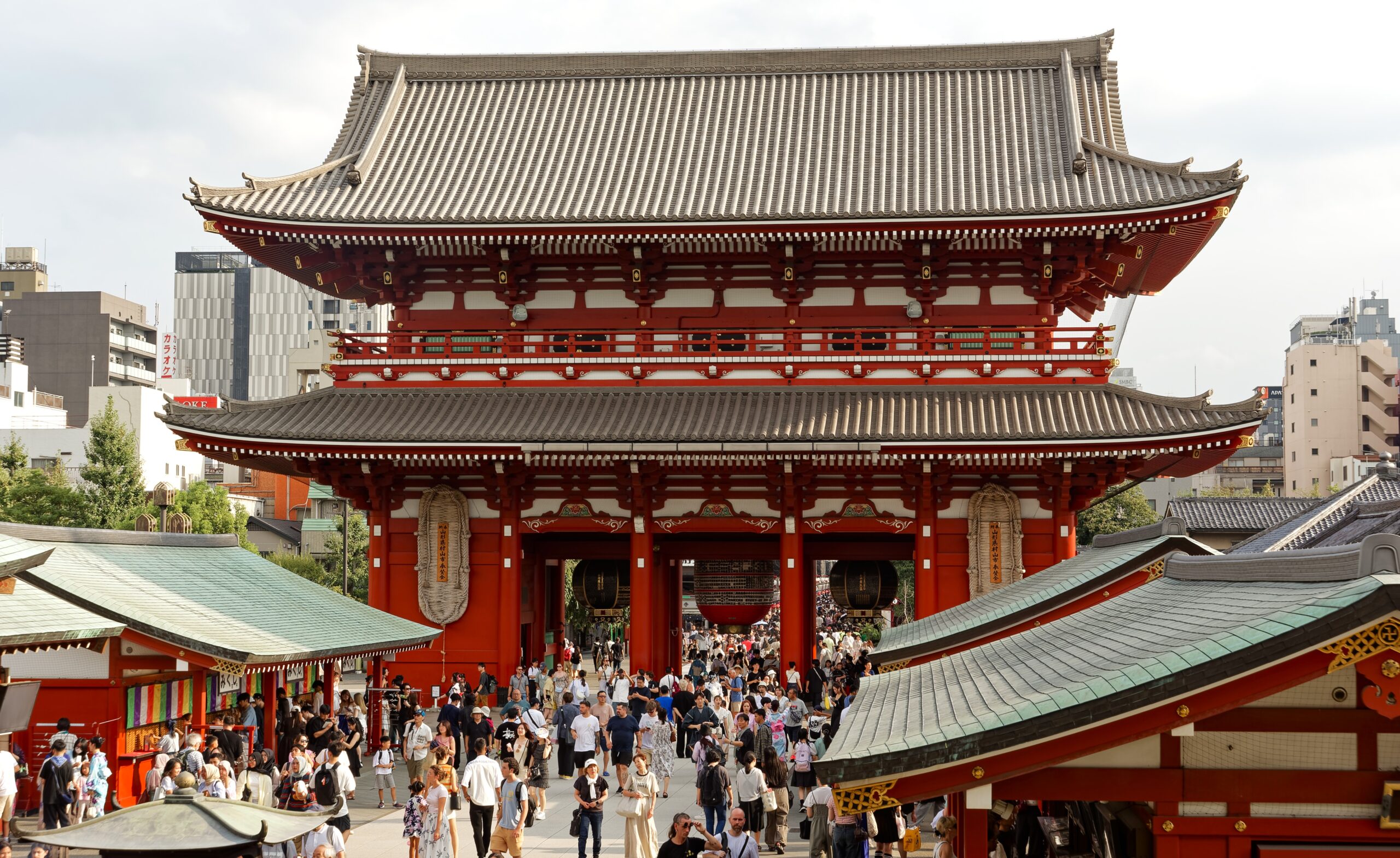
Sensō-ji Temple, located in Tokyo’s historic Asakusa district, is the city’s oldest and most iconic temple. Founded in 645 AD and dedicated to Kannon, the Goddess of Mercy, it remains a central spiritual and cultural landmark. Sensō-ji has survived centuries of fires, earthquakes, and wars, yet continues to embody resilience, tradition, and the heart of Tokyo’s spiritual heritage. Whether you are a first-time visitor or a seasoned traveler, the temple offers an immersive experience of history, architecture, and local life.
History of Sensō-ji
Sensō-ji began as a humble riverside shrine after two fishermen discovered a sacred statue of Kannon in the Sumida River. The discovery transformed the area into a religious center, eventually evolving into Tokyo’s most important spiritual destination. Over centuries, the temple has undergone multiple reconstructions, reflecting both the resilience of its community and Japan’s dedication to preserving cultural heritage.
- Founded in 645 AD — Tokyo’s oldest temple
- Dedicated to Kannon, Goddess of Mercy
- Survived wars, earthquakes, and fires
- Part of the rich cultural fabric of Asakusa
Kaminarimon Gate: Tokyo’s Iconic Entrance
The Kaminarimon Gate, meaning “Thunder Gate,” is the temple’s iconic entrance. Its massive red lantern and guardian statues have made it one of Tokyo’s most photographed landmarks. The gate is not only visually striking but also serves as a symbol of protection and spiritual welcome for visitors.
- Giant Red Lantern: A must-see Tokyo photo opportunity
- Fujin and Raijin Statues: Guardians of wind and thunder
- Historic Symbol: Represents centuries of spiritual tradition
Main Hall & Sacred Kannon Statue
Beyond the gate lies the main hall, where the sacred Kannon statue is enshrined. Worshippers come to pray, offer incense, and experience the quiet reverence that permeates the temple grounds. The hall’s architecture showcases traditional wooden construction, intricate carvings, and an attention to detail that reflects Japanese craftsmanship.
- Central space for prayer and reflection
- Traditional wooden architecture and carvings
- Home to the sacred Kannon statue
Nakamise Street: A Blend of Tradition and Commerce
Leading up to Sensō-ji is Nakamise Street, one of Japan’s oldest shopping streets. This vibrant thoroughfare dates back centuries and provides an authentic taste of traditional Japanese culture. Visitors can enjoy snacks, souvenirs, crafts, and local specialties while soaking in the lively atmosphere.
- Street food favorites: ningyo-yaki, senbei, melon pan
- Handcrafted souvenirs: fans, dolls, and ceramics
- Historic merchant culture reflecting Edo-period commerce
- Vibrant atmosphere for photo and video content
Hidden Gems Around Sensō-ji
Asakusa Culture and Tourist Center
Just across from Kaminarimon Gate, this modern building offers panoramic views of the temple and Tokyo Skytree from its observation deck. A perfect spot for photography and planning your Asakusa exploration.
Denbo-in Street
A quieter alley near Sensō-ji, Denbo-in Street features small temples, artisan shops, and traditional tea houses. This street offers a glimpse into the quieter, historic side of Asakusa that many visitors overlook.
Asakusa Rokku Entertainment District
Once Tokyo’s cultural hub for theater and cinema, this district still retains old-school charm with retro shops, vintage cafés, and traditional theaters. It’s ideal for travelers who enjoy discovering local, off-the-beaten-path attractions.
Seasonal Itineraries and Highlights
Spring: Cherry Blossom Magic
- Late March to early April: Cherry blossoms line the Sumida River near Sensō-ji
- Evening illuminations create a serene and romantic atmosphere
- Private guided hanami (cherry blossom viewing) tours available
Summer: Festival Season
- May: Sanja Matsuri — one of Tokyo’s biggest Shinto festivals
- Street parades, portable shrines (mikoshi), and traditional music
- Night markets and local cuisine provide a festive culinary experience
Autumn: Golden Leaves and Tranquility
- October–November: Maple leaves (momiji) surround Sensō-ji and nearby gardens
- Guided walking tours emphasize historical architecture and autumn foliage
- Tea houses offer seasonal matcha and wagashi sweets amidst the colorful scenery
Winter: Peaceful Serenity
- December–February: Fewer crowds create a meditative experience
- Winter illuminations highlight temple architecture
- Nearby hot springs and traditional ryokan provide warmth and comfort
Local Experiences Near Sensō-ji
- Traditional kimono rentals for strolling temple grounds
- Calligraphy workshops and incense-making classes
- Sumida River cruises with skyline and temple views
- Private guided tours highlighting Edo-period history and architecture
Food Experiences Around Asakusa
Asakusa is a food lover’s paradise. Beyond the street snacks on Nakamise Street, visitors can enjoy:
- Kushikatsu (deep-fried skewers) in local izakayas
- Tempura restaurants serving freshly fried seasonal vegetables and seafood
- Traditional sweets shops featuring dorayaki, taiyaki, and monaka
- Sushi counters offering fresh fish from the nearby Tsukiji market
Practical Details for Visiting Sensō-ji
- Access: Asakusa Station (Ginza Line, Tobu Skytree Line, Tsukuba Express)
- Opening Hours: 6:00 AM – 5:00 PM (varies by season)
- Admission: Free for temple grounds; museum or garden areas may have fees
- Photography: Allowed outdoors, restricted indoors
- Nearby Attractions: Tokyo Skytree, Sumida Aquarium, Asakusa Culture Tourist Center
Why Sensō-ji Should Be on Your Tokyo Itinerary
Sensō-ji is more than just a temple; it is a living embodiment of Tokyo’s spiritual and cultural soul. From centuries-old traditions to seasonal spectacles, hidden streets, and local flavors, the temple offers visitors a multi-layered experience. The harmony of history, architecture, spirituality, and lively urban life makes Sensō-ji an essential destination for anyone seeking to understand Tokyo beyond its skyscrapers and neon lights.
Final Thoughts
Visiting Sensō-ji Temple is a journey through Japan’s rich spiritual heritage and Tokyo’s historical roots. With every lantern, stone path, and temple hall, visitors encounter a city where tradition, culture, and community are deeply intertwined. Whether you come for reflection, photography, seasonal festivals, or local cuisine, Sensō-ji provides a timeless experience that is both personal and unforgettable.