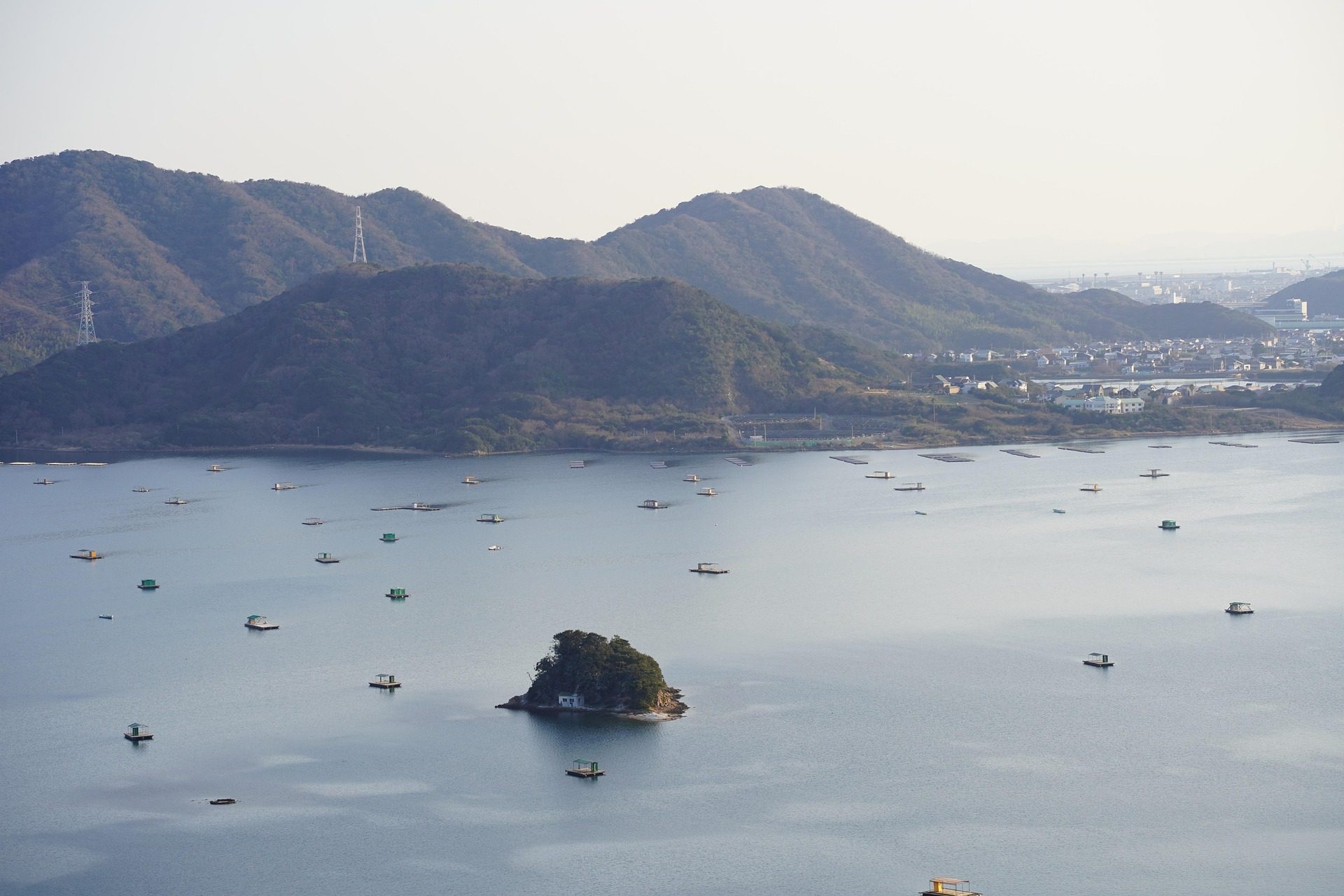
Tucked between Japan’s main islands of Honshu and Shikoku, the Setouchi region is a vast and captivating inland sea landscape often described as the “Mediterranean of Japan.” Stretching across hundreds of islands, coastal towns, and quiet harbors, Setouchi is a place where nature, culture, and art coexist in a uniquely harmonious way. Unlike Japan’s fast-paced metropolitan centers, this region invites travelers to slow down, breathe in the sea air, and experience a more reflective side of Japanese life shaped by maritime traditions, seasonal rhythms, and creative reinvention.
For centuries, Setouchi served as an important maritime route connecting Japan’s major islands. Today, it has evolved into one of the country’s most inspiring travel regions, known for its art islands, scenic ferry journeys, hot spring retreats, and coastal cuisine. Visitors are drawn here not only for its landscapes but also for its atmosphere — a gentle blend of tranquility and creativity where every island feels like a separate world waiting to be discovered.
What makes Setouchi especially compelling is its balance between heritage and modern expression. Ancient fishing villages sit alongside contemporary art museums, while quiet temples overlook futuristic installations. Whether you are crossing calm waters by ferry, cycling through olive groves, or wandering through outdoor sculptures, the region consistently offers moments of discovery that feel both intimate and expansive.
Why Setouchi Should Be on Your Japan Bucket List
Setouchi stands apart from other Japanese destinations because it offers a multi-layered travel experience built around islands, sea routes, and cultural revival. Rather than focusing on a single city or landmark, the region encourages exploration across multiple islands and coastal communities, each with its own identity and rhythm of life.
- Scenic inland sea with hundreds of inhabited and uninhabited islands
- World-renowned contemporary art installations and museums
- Relaxed coastal towns with strong culinary traditions
- Easy combination of nature, culture, and slow travel experiences
The region is particularly appealing to travelers who prefer immersive journeys over checklist tourism. Here, the travel experience itself — ferry rides, coastal views, and island hopping — becomes just as meaningful as the destinations themselves.
Best Time to Visit Setouchi (Detailed Seasonal Guide)
Setouchi enjoys one of Japan’s mildest climates, making it a year-round destination. However, each season offers a distinct travel experience shaped by weather, festivals, and natural scenery.
Spring: Art, Blossoms, and Ideal Travel Weather
- Mild temperatures and clear skies
- Cherry blossoms across coastal towns and islands
- Peak season for cultural exploration
Spring is one of the most popular times to visit Setouchi, especially for island hopping. The sea is calm, ferries operate frequently, and the landscapes are filled with soft pink cherry blossoms that contrast beautifully with the blue inland sea.
Summer: Festivals and Coastal Energy
- Vibrant local festivals across islands
- Long daylight hours for exploration
- Warm weather ideal for swimming and coastal activities
Summer brings energy to the region, especially in coastal towns where lantern festivals and fireworks events take place. While temperatures can be warm, the sea breeze and island atmosphere create a lively, celebratory mood.
Autumn: Scenic Views and Comfortable Travel
- Crisp weather ideal for cycling and hiking
- Vivid autumn foliage across islands and hills
- Excellent photography conditions
Autumn is widely considered the most balanced season for travel, offering comfortable temperatures and some of the most visually striking landscapes of the year.
Winter: Quiet Islands and Reflective Travel
- Fewer tourists and peaceful surroundings
- Crisp sea air and clear visibility
- Relaxed onsen and indoor cultural experiences
Winter reveals a quieter side of Setouchi, ideal for travelers seeking solitude, hot springs, and slow-paced exploration of coastal towns.
Explore the Islands of Setouchi
The heart of Setouchi lies in its islands, each offering a distinct cultural or natural identity. Together, they form a diverse network of experiences that can be explored through ferries, bridges, and local transport systems.
Naoshima: Japan’s Island of Contemporary Art
Naoshima is the cultural centerpiece of Setouchi’s modern art movement. Once a quiet industrial island, it has been transformed into an internationally recognized destination for contemporary art, architecture, and outdoor installations.
- Chichu Art Museum designed to integrate with natural light
- Benesse House blending museum and hotel experiences
- Outdoor sculptures along coastal walking routes
- Architectural works by world-renowned designers
The island’s philosophy centers on the idea that art should exist in harmony with nature. Visitors often spend an entire day walking or cycling between installations, experiencing shifting perspectives of sea, sky, and sculpture.
Shodoshima: Olive Island and Culinary Heritage
Shodoshima offers a softer, Mediterranean-inspired atmosphere defined by olive groves, coastal views, and traditional food production. It is one of the few places in Japan where olive cultivation thrives naturally.
- Expansive olive plantations and tasting experiences
- Scenic coastal drives and sunset viewpoints
- Local soy sauce and artisan food production
- Relaxed rural island atmosphere
The island blends agricultural tradition with scenic tourism, making it ideal for slow travel and culinary exploration.
Teshima: Minimalist Art and Natural Silence
Teshima is known for its quiet landscapes and minimalist art installations that emphasize space, silence, and natural surroundings. It is one of the most reflective destinations in Setouchi.
- Teshima Art Museum with fluid architectural design
- Quiet cycling routes along the coastline
- Open landscapes with minimal development
- Strong focus on environmental harmony
Unlike more structured art destinations, Teshima encourages personal interpretation and emotional connection with space and environment.
Inujima and Smaller Islands
Smaller islands such as Inujima highlight Setouchi’s creative reuse of industrial heritage and rural revitalization efforts.
- Reclaimed industrial spaces turned into art sites
- Traditional fishing village environments
- Limited tourism for a more intimate experience
Setouchi Triennale: The Region’s Signature Art Festival
The Setouchi Triennale is one of Japan’s most important contemporary art festivals, held every three years across multiple islands. It has played a major role in transforming Setouchi into a global cultural destination.
- Contemporary art exhibitions across multiple islands
- Site-specific installations integrated with landscapes
- International artists and local collaborations
- Seasonal sessions across spring, summer, and autumn
The festival encourages visitors to explore remote islands while engaging with art that reflects local identity, environmental themes, and cultural renewal. During festival periods, ferries, accommodations, and island routes become part of the curated experience itself.
Transport and Island Travel Logistics
Traveling through Setouchi is centered around a combination of ferries, regional trains, and cycling routes. Unlike typical urban travel in Japan, movement between destinations is part of the experience.
- Ferry networks connecting major islands and ports
- Rail access via Okayama, Takamatsu, and Hiroshima hubs
- Bicycle rentals for local island exploration
- Travel passes available for regional transport convenience
Most travelers begin their journey from major coastal cities and then branch out to islands using scheduled ferry routes. Planning ahead is especially important during festival seasons when demand increases significantly.
Savor Setouchi: Food and Culinary Identity
Setouchi’s cuisine is deeply connected to its geography, with seafood, citrus fruits, and locally produced ingredients shaping its food culture.
- Fresh seafood including sea bream, oysters, and octopus
- Sanuki udon from Kagawa Prefecture
- Locally brewed sake using pure inland water sources
- Olive-based dishes from Shodoshima
Meals in Setouchi are often simple, seasonal, and highly regional, reflecting the rhythm of island life and coastal sustainability.
Onsen and Scenic Relaxation
Hot spring culture plays an important role in Setouchi travel, offering relaxation after days of island exploration.
- Seaside onsen with ocean views
- Traditional ryokan accommodations
- Natural mineral-rich waters for relaxation
These experiences provide a restorative balance to the more active aspects of island hopping and cultural exploration.
Final Thoughts
Setouchi is a region defined by contrast and harmony — where contemporary art meets ancient fishing villages, and where calm seas connect a constellation of culturally rich islands. Its appeal lies not in a single landmark but in the journey itself, shaped by ferries, coastal landscapes, and quiet discoveries.
For travelers seeking a deeper, slower, and more reflective experience of Japan, Setouchi offers a rare combination of natural beauty, artistic innovation, and authentic regional life that continues to inspire long after the journey ends.