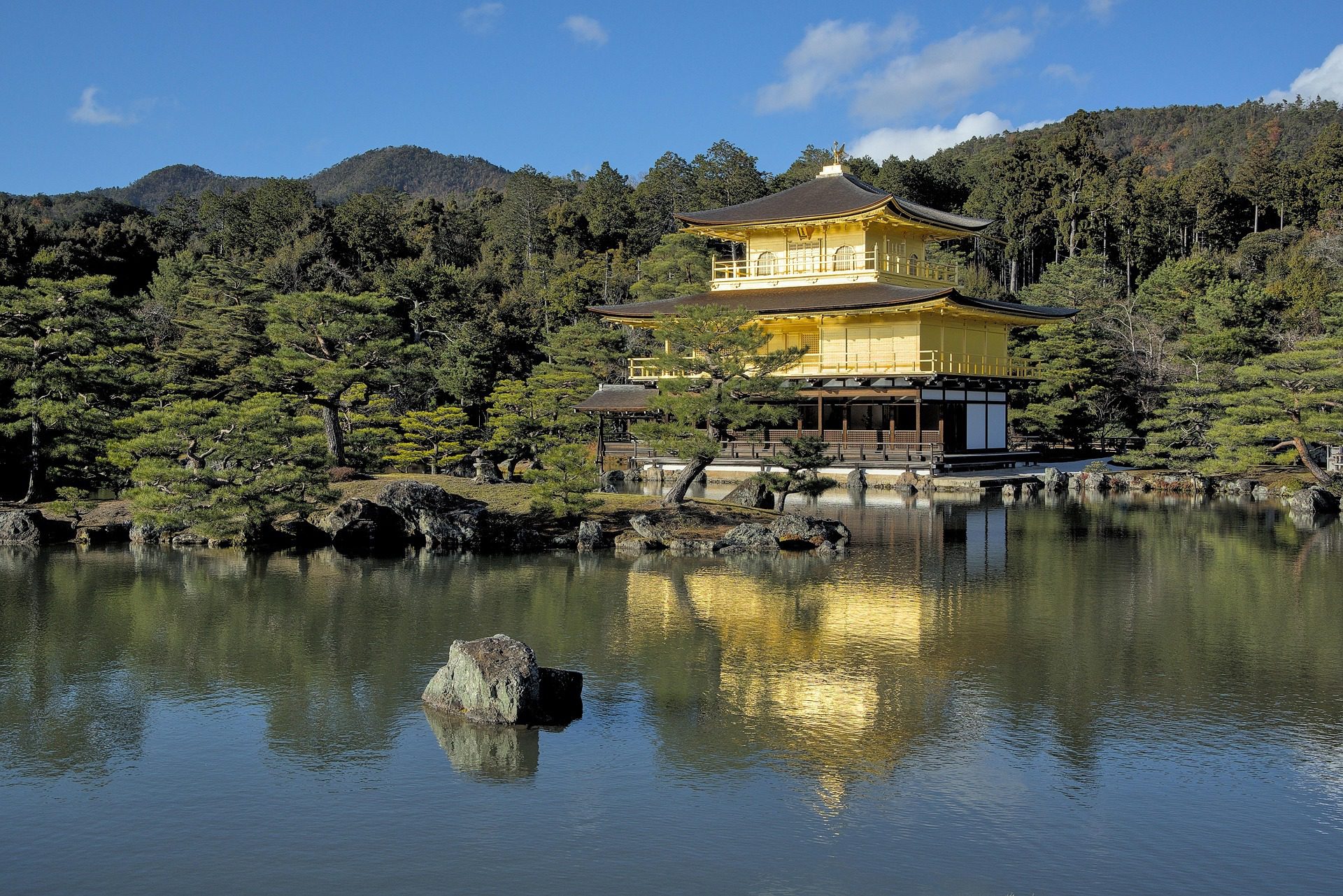
Nestled in the cultural heart of Kyoto, Kinkaku-ji Temple — widely known as the Golden Pavilion — stands as one of Japan’s most iconic and visually breathtaking landmarks. Reflecting gracefully across still waters and surrounded by meticulously designed gardens, this extraordinary Zen temple offers visitors a rare glimpse into Japan’s architectural brilliance, spiritual traditions, and historical refinement. Its shimmering gold exterior, mirrored perfectly in the surrounding pond, creates one of the most celebrated and photographed scenes in all of Japan.
For travelers exploring Kyoto’s cultural treasures, Kinkaku-ji represents an essential experience. Beyond its visual splendor, the temple embodies centuries of artistic vision, political history, and Zen Buddhist philosophy. Whether visited during spring cherry blossom season, beneath the fiery hues of autumn, or against the serene stillness of winter snow, Kinkaku-ji offers an unforgettable encounter with Kyoto’s timeless elegance.
History of Kinkaku-ji Temple
Kinkaku-ji was originally constructed in 1397 as a retirement villa for Ashikaga Yoshimitsu, the third shogun of the Ashikaga shogunate. Designed as an expression of aristocratic refinement and cultural sophistication, the villa reflected the opulence of the Muromachi period. Following Yoshimitsu’s death, the estate was transformed into a Zen Buddhist temple in accordance with his wishes.
- Built in 1397 as a retirement villa
- Commissioned by shogun Ashikaga Yoshimitsu
- Converted into a Zen Buddhist temple
- Recognized as a UNESCO World Heritage Site
Over the centuries, Kinkaku-ji endured destruction from fires and conflict, most notably in 1950 when the original structure was burned down. The current pavilion was meticulously reconstructed in 1955 and later restored with even more extensive gold leaf covering.
Today, Kinkaku-ji stands as both a symbol of resilience and one of Kyoto’s most treasured cultural landmarks, preserving the beauty and spirit of Japan’s classical heritage.
Architectural Brilliance
Kinkaku-ji is admired worldwide for its extraordinary architectural design, which seamlessly blends luxury, symbolism, and spiritual simplicity. Each level of the pavilion represents a distinct architectural style, reflecting the cultural influences of different historical periods.
- Three distinct architectural styles
- Upper floors covered in gold leaf
- Built to harmonize with surrounding nature
- Combines aristocratic elegance with Zen simplicity
The structure’s balanced proportions and reflective setting create a near-perfect visual harmony that exemplifies Japanese aesthetic principles of balance, impermanence, and contemplation.
Stunning Gold Leaf Exterior
The most striking feature of Kinkaku-ji is its dazzling gold leaf exterior. The top two floors are entirely covered in gold leaf, creating a radiant effect that changes throughout the day as sunlight shifts across the pavilion.
- Covered in brilliant gold leaf
- Reflects sunlight dramatically
- Symbolizes purity and spiritual transcendence
- Creates one of Japan’s most iconic views
The shimmering facade was designed not only to display wealth and sophistication but also to symbolize the illumination of Buddhist teachings.
Three Distinct Levels
Each floor of Kinkaku-ji reflects a different architectural tradition, showcasing the evolution of Japanese design.
- First floor: Shinden-zukuri aristocratic palace style
- Second floor: Samurai residential style
- Third floor: Zen temple architecture
This progression from courtly elegance to spiritual simplicity mirrors broader cultural transitions within Japanese history.
Kyōko-chi (Mirror Pond)
Surrounding the Golden Pavilion is Kyōko-chi, or Mirror Pond, one of the temple’s most defining features. The pond perfectly reflects the pavilion, creating a balanced composition that embodies Zen ideals of mindfulness and reflection.
- Reflects the Golden Pavilion beautifully
- Enhances visual symmetry
- Represents mindfulness and contemplation
- Central element of the temple landscape
The pond’s still waters transform the temple into an almost dreamlike vision, particularly during calm mornings or after seasonal snowfall.
This reflection symbolizes harmony between physical beauty and spiritual awareness, reinforcing the temple’s philosophical significance.
The Gardens of Kinkaku-ji
Kinkaku-ji is surrounded by a classic Japanese strolling garden carefully designed to complement the pavilion’s grandeur. These gardens create a peaceful journey through landscapes intended to evoke reflection and serenity.
- Winding stone pathways
- Traditional stone lanterns
- Small bridges and water features
- Seasonal trees and flowering plants
The garden layout encourages slow movement and quiet observation, allowing visitors to experience shifting perspectives of the Golden Pavilion at every turn.
Seasonal Beauty
The gardens transform dramatically throughout the year, offering distinct visual experiences with every season.
- Cherry blossoms in spring
- Lush greenery in summer
- Vibrant maple leaves in autumn
- Snow-covered tranquility in winter
This ever-changing landscape reinforces the Buddhist concept of impermanence while highlighting the temple’s timeless beauty.
Seasonal Highlights
Kinkaku-ji is a destination worth visiting in every season, each offering unique perspectives and photographic opportunities.
Spring: Cherry Blossom Elegance
- Soft pink blossoms frame the pavilion
- Mild weather ideal for exploring
- Beautiful morning reflections
Spring brings a delicate softness that contrasts beautifully with the pavilion’s golden brilliance.
Summer: Verdant Contrast
- Deep green foliage surrounds the temple
- Bright sunlight intensifies the gold leaf
- Lively natural atmosphere
Summer emphasizes the vivid contrast between architecture and nature.
Autumn: Crimson Splendor
- Maple leaves create dramatic color contrasts
- One of Kyoto’s most photogenic seasons
- Comfortable weather for visitors
Autumn offers some of the temple’s most visually stunning moments.
Winter: Snow-Covered Serenity
- Rare snow transforms the landscape
- Golden pavilion glows against white surroundings
- Exceptionally peaceful atmosphere
Winter reveals Kinkaku-ji at its most magical and contemplative.
Experiencing Kinkaku-ji
A visit to Kinkaku-ji is designed as a walking experience, guiding visitors along carefully planned pathways that reveal the temple from multiple scenic viewpoints.
- Scenic circular walking route
- Multiple photography viewpoints
- Quiet contemplative spaces
- Traditional tea experiences nearby
The carefully structured route ensures visitors experience the pavilion’s beauty from varied perspectives while maintaining the atmosphere of order and reflection.
Nearby Attractions
Kinkaku-ji is conveniently located near several other major Kyoto cultural sites.
- Ryoan-ji Temple
- Ninna-ji Temple
- Traditional tea houses
- Local Kyoto artisan shops
Combining these destinations creates a rewarding day of cultural exploration in Kyoto’s northwest district.
Visiting Information
- Best season: Spring, autumn, and winter
- Recommended duration: 1 to 1.5 hours
- Photography: Best views across Mirror Pond
- Access: Bus ride from Kyoto Station
- Admission: Standard temple entry fee applies
Arriving early in the morning is highly recommended to avoid peak crowds and enjoy softer lighting for photography.
Why Visit Kinkaku-ji Temple
Kinkaku-ji is more than a visually stunning landmark. It is a profound expression of Japanese artistry, historical legacy, and Zen philosophy. Its golden exterior, reflective waters, and harmonious gardens create an atmosphere unlike anywhere else in Kyoto.
For photographers, history enthusiasts, and cultural travelers, it offers an unforgettable encounter with Japan’s architectural and spiritual heritage.
Final Thoughts
For those seeking one of Kyoto’s most iconic and meaningful cultural experiences, Kinkaku-ji Temple offers a journey into Japan’s historical elegance and spiritual depth. Its shimmering golden facade, tranquil pond reflections, and carefully designed gardens create a timeless setting of extraordinary beauty.
Whether admired beneath cherry blossoms, autumn foliage, or winter snow, Kinkaku-ji leaves visitors with a lasting impression of serenity, craftsmanship, and Kyoto’s enduring cultural brilliance.