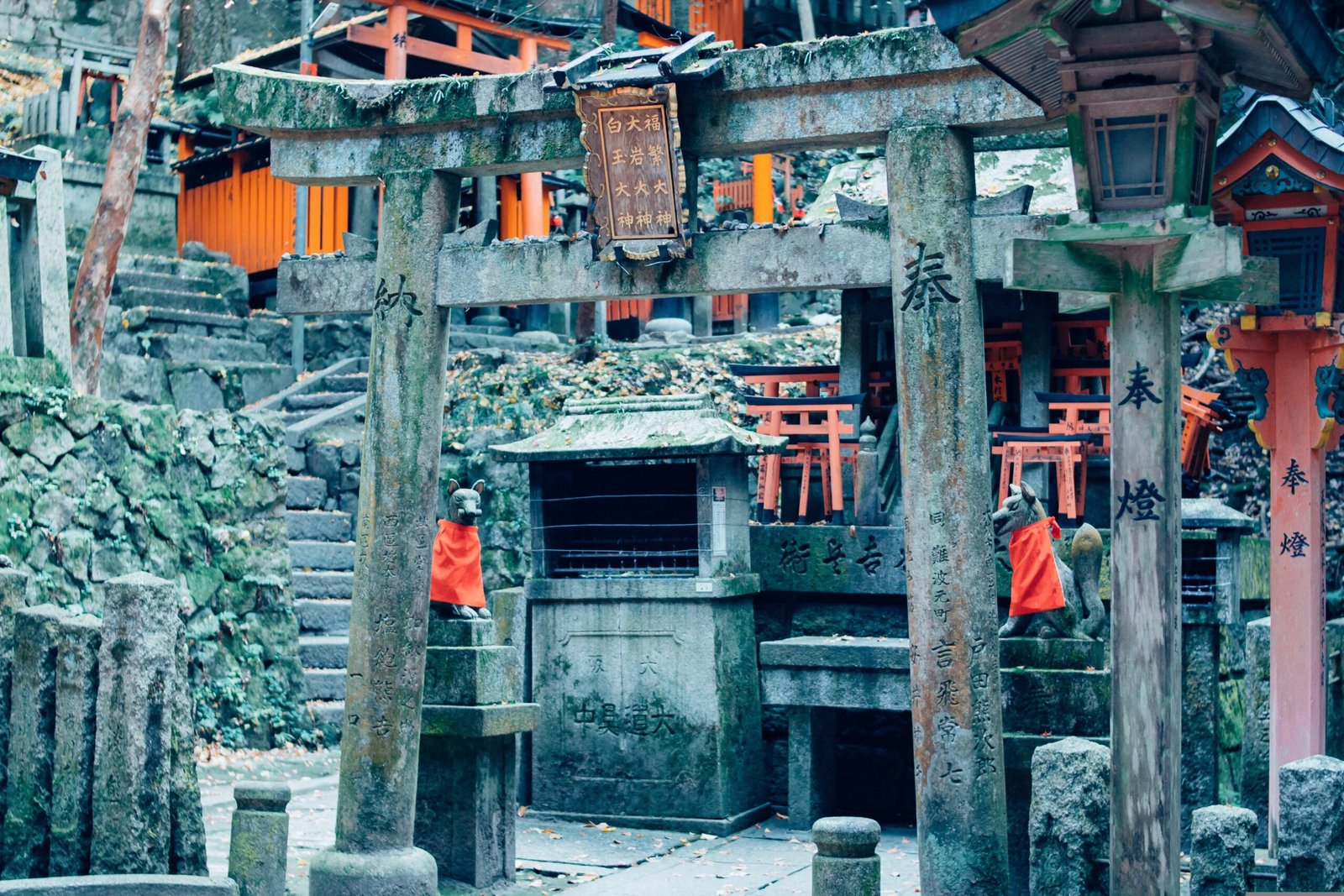
From Tokyo’s neon energy to Kyoto’s temple silence, the Japanese Alps, coastal Hiroshima, and Hakone’s mountain calm
- Japan’s main island unfolds as a continuous journey of contrasts.
- Ultra-modern cities, preserved mountain towns, imperial capitals, and coastal heritage sites connect into one cultural landscape.
- This route is defined by rhythm — movement through cities, then stillness in mountains, memory along the coast, and calm in hot springs.
It begins in Tokyo.
Japan’s capital sets the pace with intensity and scale. Glass towers, rail networks, and neon districts shape a city that never fully pauses.
At the same time, moments of stillness appear in places like Meiji Shrine, where forest paths replace highways, and in Asakusa, where temple bells cut through the urban noise.
A stay at Park Hotel Tokyo places the skyline itself into the experience, where the city becomes something observed as much as lived.
From Tokyo, the journey moves into the mountains.
Takayama preserves the atmosphere of the Edo period, where wooden merchant houses line quiet streets and morning markets unfold with seasonal rhythm.
A stay at a traditional ryokan such as Hidatei Hanaougi brings hot springs, kaiseki dining, and mountain silence into daily life.
Nearby sake breweries and craft workshops reflect centuries of rural tradition.
From the Alps, the route continues to Kanazawa.
Often described as one of Japan’s most elegant cities, Kanazawa balances refinement with preservation.
Kenroku-en Garden shifts with the seasons, while samurai districts and geisha teahouses preserve the structure of a different era.
A stay at Hotel Nikko Kanazawa or a boutique luxury property near the historic centre keeps the city’s cultural core within easy reach.
The journey then enters Kyoto.
Kyoto is not experienced quickly — it unfolds through repetition and detail.
Golden temples, bamboo forests, stone paths, and wooden tea houses create a city built on memory and ritual.
A stay at The Gate Hotel Kyoto Takasegawa places you near the Kamo River and the city’s historic districts, where modern comfort meets cultural depth.
From Kyoto, the journey turns toward history and coast.
Hiroshima carries reflection rather than weight. Peace Memorial Park stands as a space of memory, while the city around it continues forward with quiet resilience.
Just offshore, Miyajima Island offers contrast — forested hills, sacred shrines, and the iconic floating torii gate rising from the sea.
A stay at Hotel Granvia Hiroshima connects both the reflective city and the coastal landscape.
From Hiroshima, the route continues to Osaka.
Osaka is defined by energy, food culture, and nightlife. Streets are alive with movement, neon light, and constant activity.
Osaka Castle anchors the city historically, while Dotonbori delivers its modern identity through food stalls, signage, and riverside crowds.
A stay at Hotel Vischio Osaka or Swissôtel Nankai Osaka places you within easy reach of both the station network and the city’s dining districts.
The final stage is Hakone.
Hot springs, mountain ridgelines, and Lake Ashi create a natural pause at the end of the journey.
On clear days, Mount Fuji appears across the water, framing the landscape in a single iconic view.
A stay at Ichinoyu Honkan or a traditional Hakone ryokan completes the journey through onsen culture and natural stillness.
In the end, Honshu reveals itself as a connected spine of experiences.
Not separate destinations, but a continuous shift in atmosphere.
From Tokyo’s speed to Kyoto’s memory, Takayama’s silence to Hiroshima’s reflection, and Hakone’s calm — each place adds another layer.
To travel this route is to move through Japan’s core identity, where modern life and ancient tradition exist in constant conversation.
The Route at a Glance
- Tokyo — 3 nights (Park Hotel Tokyo)
- Takayama — 2 nights (Hidatei Hanaougi)
- Kanazawa — 2 nights (Hotel Nikko Kanazawa)
- Kyoto — 4 nights (The Gate Hotel Kyoto Takasegawa)
- Hiroshima — 2 nights (Hotel Granvia Hiroshima)
- Osaka — 2 nights (Hotel Vischio Osaka / Swissôtel Nankai Osaka)
- Hakone — 2 nights (Ichinoyu Honkan)