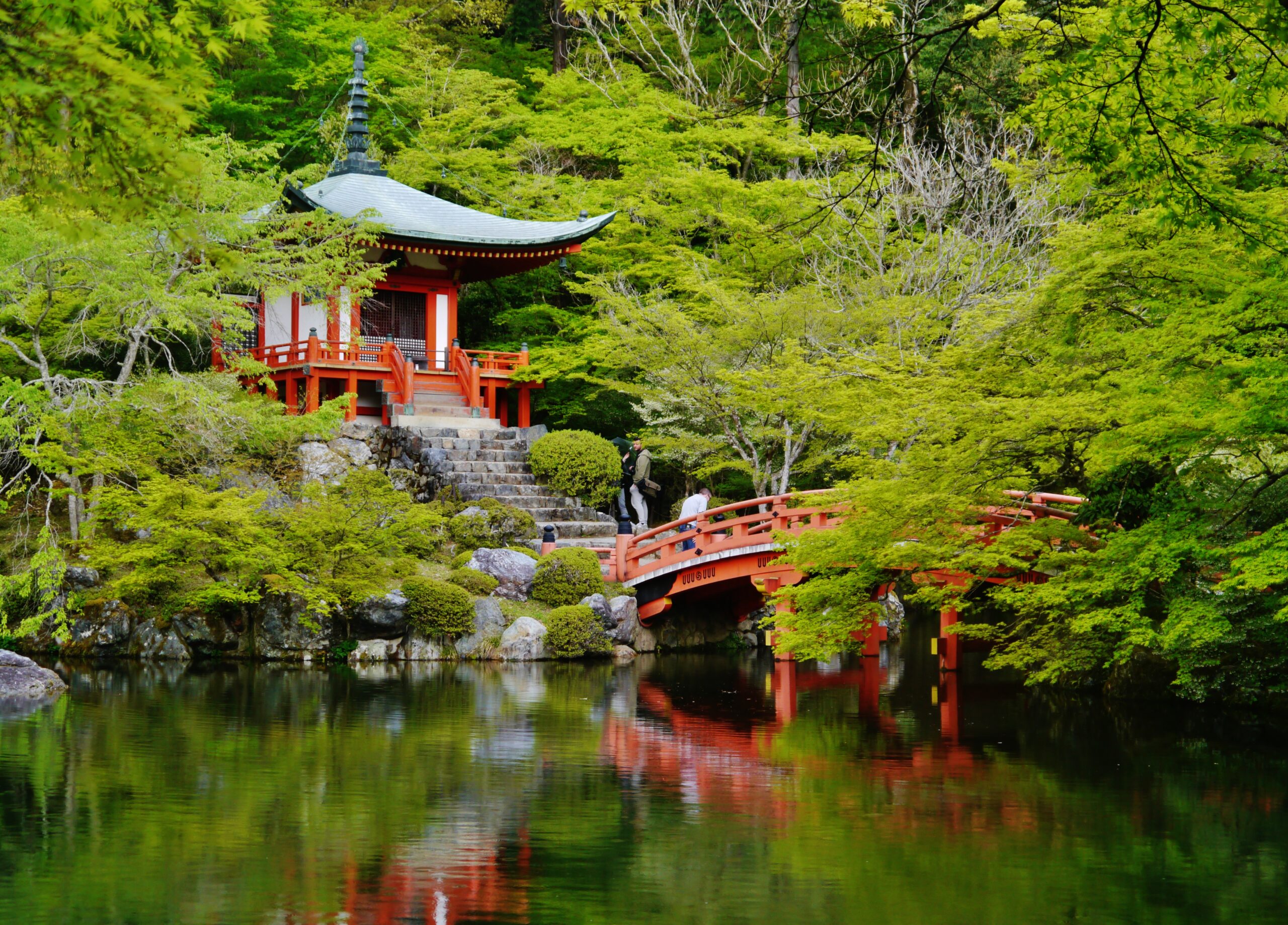
Nestled within the eastern hills of Kyoto, Daigo-ji Temple stands as one of Japan’s most historically significant and spiritually enriching temple complexes. Renowned for its ancient wooden structures, expansive gardens, and breathtaking seasonal landscapes, this UNESCO World Heritage Site offers visitors an immersive journey into Kyoto’s religious and cultural heritage. From delicate cherry blossoms in spring to brilliant crimson foliage in autumn, Daigo-ji transforms throughout the year, making every visit a unique experience shaped by nature and history.
More than just a temple, Daigo-ji is a sprawling mountain sanctuary where architecture, Buddhist tradition, and natural beauty coexist in remarkable harmony. Its peaceful pathways, hillside temples, and sacred halls invite quiet reflection, while its historical significance connects visitors to more than a thousand years of Japanese spiritual life. For those exploring Kyoto’s cultural treasures, Daigo-ji offers one of the city’s most rewarding and contemplative experiences.
History of Daigo-ji Temple
Daigo-ji was founded in 874 during the early Heian period by the monk Shōbō, also known as Rigen Daishi. Established as an important center of Shingon Buddhism, the temple quickly gained prominence as a place of religious practice and imperial patronage. Over the centuries, it became deeply intertwined with Kyoto’s cultural and political history, serving as both a spiritual retreat and a symbol of aristocratic devotion.
- Founded in 874 during the Heian period
- Established by the monk Shōbō
- Important center of Shingon Buddhism
- Designated a UNESCO World Heritage Site
The temple flourished under imperial support and expanded into a vast complex divided into lower and upper mountain precincts. Although parts of Daigo-ji suffered destruction during periods of civil conflict, careful restoration preserved many of its most significant structures. Today, it remains one of Kyoto’s most treasured historic sites, reflecting over eleven centuries of religious devotion and architectural evolution.
Architectural Significance
Daigo-ji is celebrated for its architectural diversity and exceptional preservation. The temple complex showcases structures spanning multiple historical periods, offering visitors a rare opportunity to observe the development of Japanese Buddhist architecture over centuries.
- Features structures from several historical eras
- Combines Heian, Kamakura, and later architectural styles
- Preserves traditional wooden construction techniques
- Represents the enduring legacy of Shingon temple design
The buildings demonstrate meticulous craftsmanship, balanced proportions, and thoughtful integration with the surrounding landscape. This harmony between built form and natural setting reflects core principles of Japanese religious architecture, where spiritual experience is enhanced through environmental design.
The Five-Story Pagoda
The Five-Story Pagoda is Daigo-ji’s most iconic structure and one of Kyoto’s oldest surviving wooden buildings. Completed in 951, it stands as a remarkable example of Heian-period craftsmanship and remains a symbol of the temple’s enduring legacy.
- Completed in 951
- Kyoto’s oldest surviving wooden structure
- Designated a National Treasure
- Represents classical Buddhist architectural symbolism
Its elegant vertical form rises gracefully above the temple grounds, creating one of Kyoto’s most recognizable historical silhouettes. The pagoda’s resilience across more than a millennium reflects the extraordinary skill of ancient builders and the enduring cultural importance of Daigo-ji.
During cherry blossom and autumn foliage seasons, the pagoda framed by vibrant natural colors creates one of Kyoto’s most photographed and visually striking temple scenes.
The Lower Precinct (Shimo-Daigo)
The lower precinct forms the main area most visitors explore first. This section contains Daigo-ji’s principal halls, gardens, and the famous Five-Story Pagoda, offering an accessible introduction to the temple’s spiritual and historical significance.
- Home to the Five-Story Pagoda
- Contains major worship halls
- Features beautifully landscaped gardens
- Ideal for leisurely cultural exploration
The spacious grounds allow visitors to move at a contemplative pace, appreciating both architectural details and seasonal scenery. The lower precinct balances grandeur and serenity, making it one of Kyoto’s most rewarding temple environments.
Kondō (Golden Hall)
The Kondō serves as Daigo-ji’s principal worship hall and houses important Buddhist imagery central to Shingon practice.
- Main hall of worship
- Contains sacred Buddhist statues
- Reflects refined temple craftsmanship
- Important site for religious ceremonies
Its dignified presence reinforces the temple’s spiritual atmosphere while showcasing architectural elements refined over centuries.
Sanbō-in Garden
Sanbō-in is one of Daigo-ji’s most celebrated sub-temples, known for its exquisite landscape garden designed under the patronage of Toyotomi Hideyoshi.
- Historic landscaped garden
- Associated with Toyotomi Hideyoshi
- Masterpiece of Japanese garden design
- Offers seasonal beauty throughout the year
The carefully arranged stones, pond reflections, and surrounding foliage create a meditative environment that exemplifies classical Japanese aesthetics.
The Upper Mountain Precinct (Kami-Daigo)
For visitors seeking a deeper spiritual and physical journey, the upper mountain precinct offers a quieter and more secluded experience. Accessible via forested walking trails, this section preserves Daigo-ji’s origins as a mountain ascetic practice site.
- Reached through hillside trails
- Offers panoramic forest views
- Less crowded than lower temple areas
- Retains an atmosphere of ancient pilgrimage
The ascent itself becomes part of the temple experience, encouraging reflection and appreciation of the natural landscape. Ancient halls hidden among trees create a sense of discovery that contrasts beautifully with the more formal lower precinct.
Seasonal Highlights
Daigo-ji is especially famous for its spectacular seasonal transformations, making it one of Kyoto’s premier year-round temple destinations.
Spring: Cherry Blossom Splendor
- Hundreds of cherry trees bloom across the grounds
- Historic pagoda framed by pink blossoms
- One of Kyoto’s most celebrated hanami locations
Spring at Daigo-ji is legendary, with blossoms creating an atmosphere of renewal and elegance that perfectly complements the temple’s ancient structures.
Summer: Verdant Serenity
- Lush greenery covers the hillsides
- Cool shaded pathways offer comfort
- Peaceful atmosphere with fewer visitors
Summer emphasizes Daigo-ji’s role as a mountain retreat, where nature provides a calming sanctuary from Kyoto’s urban energy.
Autumn: Fiery Maple Landscapes
- Brilliant red and orange maple leaves
- Dramatic reflections in temple ponds
- Exceptional photography opportunities
Autumn transforms Daigo-ji into one of Kyoto’s most visually stunning temple destinations, with vivid colors enhancing every architectural detail.
Winter: Quiet Reflection
- Minimal crowds
- Crisp mountain air
- Occasional snow adds timeless beauty
Winter offers a serene and contemplative atmosphere ideal for visitors seeking stillness and quiet appreciation.
Artistic and Cultural Treasures
Daigo-ji preserves a significant collection of Buddhist artworks, sacred statues, and historical artifacts that reflect centuries of religious practice.
- Ancient Buddhist sculptures
- Sacred ceremonial objects
- Historic manuscripts and temple records
- Nationally important cultural properties
These treasures provide valuable insight into the temple’s role as a center of spiritual scholarship and artistic development.
Visiting Information
- Best season: Spring and autumn
- Recommended duration: 2 to 3 hours
- Wear comfortable shoes for hillside paths
- Photography: Excellent seasonal viewpoints throughout
- Access: Around 15 minutes by bus from Kyoto Station
Visitors planning to explore the upper mountain precinct should allow additional time and be prepared for moderate uphill walking.
Extended Kyoto Cultural Itinerary
Daigo-ji pairs well with other nearby cultural attractions for a full day of exploration.
- Morning: Explore Daigo-ji Temple lower precinct
- Midday: Hike to the upper mountain halls
- Afternoon: Visit Fushimi area for local culture
- Evening: Return to central Kyoto for traditional dining
Why Visit Daigo-ji Temple
Daigo-ji offers an extraordinary combination of history, architecture, nature, and spirituality. Its vast grounds provide both visual grandeur and intimate moments of reflection, making it one of Kyoto’s most rewarding temple experiences.
For photographers, history enthusiasts, and cultural travelers alike, Daigo-ji reveals a side of Kyoto where ancient tradition and seasonal beauty remain deeply intertwined.
Final Thoughts
For those seeking to experience Kyoto beyond its busiest landmarks, Daigo-ji Temple offers a profound journey into Japan’s spiritual and historical landscape. Its ancient pagoda, forested trails, sacred halls, and breathtaking seasonal scenery create an experience of exceptional depth and tranquility.
Whether visited during cherry blossom season, autumn foliage, or the quiet stillness of winter, Daigo-ji leaves a lasting impression of harmony, craftsmanship, and timeless cultural beauty.