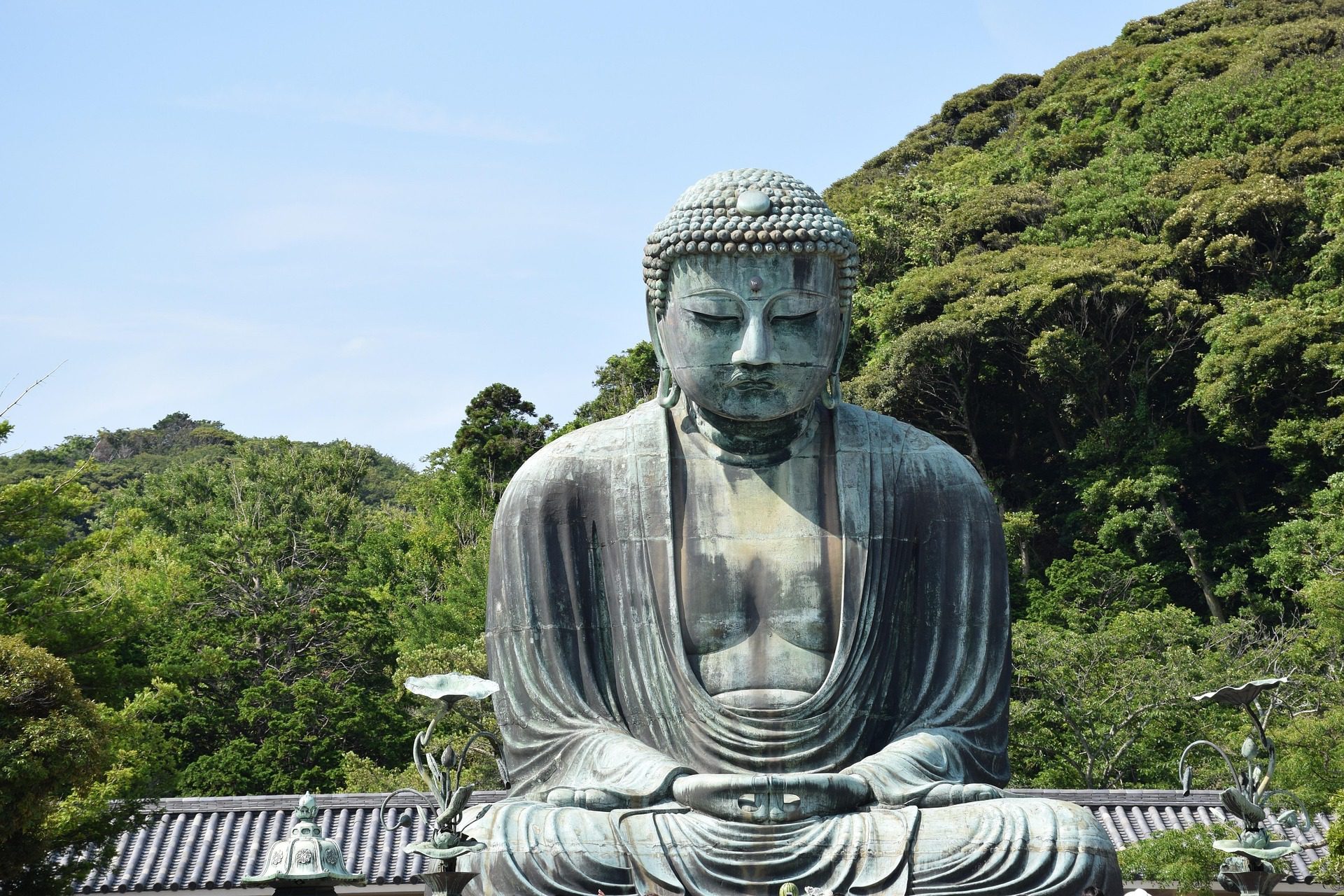
Situated in the historic coastal city of Kamakura, Kōtoku-in Temple is home to one of Japan’s most celebrated cultural landmarks: the Great Buddha of Kamakura, known as the Daibutsu. Towering over the temple grounds at more than 13 meters in height, this monumental bronze statue has stood as a symbol of serenity, endurance, and spiritual reflection for centuries. Its calm expression and timeless presence have made it one of Japan’s most recognizable religious icons, drawing visitors from around the world.
Unlike many Buddhist statues housed within temple halls, the Great Buddha stands beneath the open sky, exposed to the changing seasons and natural elements. This outdoor setting enhances its quiet majesty, allowing visitors to experience the statue against backdrops of cherry blossoms, autumn leaves, or clear winter skies. For those exploring Kamakura’s rich cultural heritage, Kōtoku-in offers a profound encounter with Japanese spirituality, history, and artistic achievement.
History of Kōtoku-in Temple
Kōtoku-in Temple was established during the Kamakura period, one of Japan’s most transformative historical eras marked by the rise of the samurai class and the flourishing of Buddhist culture. The Great Buddha itself was cast in 1252, replacing an earlier wooden version that had been damaged by storms.
- The Great Buddha was cast in 1252
- Created during the Kamakura period
- Originally housed inside a large wooden hall
- Has stood outdoors since the 15th century
Historical records indicate that the bronze statue was originally protected by a massive temple structure. However, repeated typhoons and tidal waves destroyed the hall over the centuries. Rather than rebuilding the enclosure, the statue was left exposed to the open air, where it has remained ever since.
This enduring presence has transformed the Great Buddha into a symbol of resilience and permanence. Through natural disasters, political change, and the passage of more than seven centuries, it continues to stand as one of Japan’s most powerful cultural treasures.
The Great Buddha (Daibutsu)
The Great Buddha is the centerpiece of Kōtoku-in and among the most impressive bronze statues in the world. Representing Amida Buddha, the statue embodies compassion, wisdom, and the promise of enlightenment central to Pure Land Buddhist teachings.
- Over 13 meters tall
- Weighs approximately 121 tons
- Constructed from cast bronze
- Represents Amida Buddha
The statue’s balanced proportions and serene expression reflect the extraordinary artistic mastery of Kamakura-period sculptors. Its half-closed eyes suggest deep meditation, while its composed posture conveys stillness and inner peace.
Visitors often remark on the emotional impact of standing before the Daibutsu. Its immense scale inspires awe, yet its tranquil presence creates a deeply calming atmosphere.
Interior Viewing Experience
One of Kōtoku-in’s unique features is the opportunity to enter the hollow interior of the Great Buddha. This rare experience offers visitors insight into the statue’s bronze construction techniques and historical repairs.
- Visitors can step inside the statue
- Displays internal bronze casting structure
- Provides historical context about repairs
- Offers a rare architectural perspective
Seeing the statue from within highlights the remarkable engineering skill required to create such a monumental work in the 13th century.
Temple Grounds and Atmosphere
Although modest in size compared to some temple complexes, Kōtoku-in’s grounds possess a unique tranquility. Carefully maintained pathways, surrounding trees, and subtle landscaping create an environment that encourages contemplation.
- Peaceful walking paths
- Seasonal trees and greenery
- Quiet reflective spaces
- Small shrines and prayer areas
The simplicity of the grounds allows the Great Buddha to remain the clear focal point, while the natural setting enhances the sense of harmony and reflection.
Despite its popularity, the temple often retains a calm atmosphere, especially during early morning visits when the surrounding city remains quiet.
Spiritual Significance
The Great Buddha represents more than artistic achievement; it serves as an enduring spiritual symbol for both pilgrims and casual visitors. As an image of Amida Buddha, it reflects central Buddhist ideals of compassion, mindfulness, and salvation.
- Symbolizes compassion and enlightenment
- Important site for Buddhist pilgrimage
- Encourages meditation and reflection
- Represents Pure Land Buddhist teachings
For centuries, people have come to Kōtoku-in seeking moments of quiet contemplation. The statue’s calm gaze and monumental stillness invite visitors to pause, reflect, and experience a rare sense of peace.
Seasonal Highlights
Kōtoku-in offers distinct experiences throughout the year, with each season bringing different visual qualities to the temple grounds.
Spring: Cherry Blossom Serenity
- Cherry blossoms frame the Great Buddha
- Comfortable weather for exploration
- Soft natural light for photography
Spring creates one of the temple’s most beautiful settings, with delicate blossoms contrasting against the bronze surface of the statue.
Summer: Lush Green Calm
- Vibrant greenery surrounds the temple
- Long daylight hours
- Peaceful early morning atmosphere
Summer emphasizes the temple’s meditative qualities, especially during quieter weekday mornings.
Autumn: Rich Foliage Backdrops
- Colorful leaves create dramatic contrast
- Crisp weather ideal for walking
- Excellent seasonal photography
Autumn’s red and gold foliage enhances the visual impact of the Daibutsu, making it one of Kamakura’s most photogenic cultural sites.
Winter: Clear Sky Elegance
- Minimal crowds
- Crisp clear views
- Exceptional visibility for photography
The simplicity of winter often reveals the statue’s pure form most clearly, creating a particularly contemplative experience.
Nearby Attractions
Kōtoku-in is ideally located near several of Kamakura’s other cultural highlights, making it easy to include in a broader day of exploration.
- Hase-dera Temple
- Komachi Street
- Kamakura hiking trails
- Tsurugaoka Hachimangū Shrine
Combining these destinations provides deeper insight into Kamakura’s rich historical and spiritual landscape.
Visiting Information
- Best season: Spring, autumn, and winter
- Recommended duration: 45 minutes to 1 hour
- Admission: Small entry fee required
- Photography: Best shots frame the Buddha with greenery
- Access: Short walk from Hase Station
Early visits are recommended for a quieter atmosphere and softer natural lighting.
Extended Kamakura Cultural Itinerary
Kōtoku-in pairs perfectly with other nearby attractions for a full day of Kamakura exploration.
- Morning: Visit Kōtoku-in Temple
- Midday: Explore Hase-dera Temple
- Afternoon: Walk Komachi Street
- Late afternoon: Visit Tsurugaoka Hachimangū
Why Visit Kōtoku-in
Kōtoku-in offers a rare combination of artistic grandeur, historical depth, and spiritual tranquility. The Great Buddha’s serene expression and monumental scale create a memorable encounter that resonates long after a visit.
For photographers, history enthusiasts, and spiritual travelers, it provides one of Japan’s most iconic and meaningful cultural experiences.
Final Thoughts
For those seeking to experience one of Japan’s most enduring symbols of faith and craftsmanship, Kōtoku-in Temple offers an unforgettable journey into the heart of Kamakura’s cultural heritage. The Great Buddha stands not only as a masterpiece of bronze sculpture but as a timeless reminder of resilience, peace, and contemplation.
Whether viewed beneath spring blossoms, autumn foliage, or winter skies, the Great Buddha leaves visitors with a lasting sense of awe and quiet reflection, making it one of Japan’s truly essential destinations.