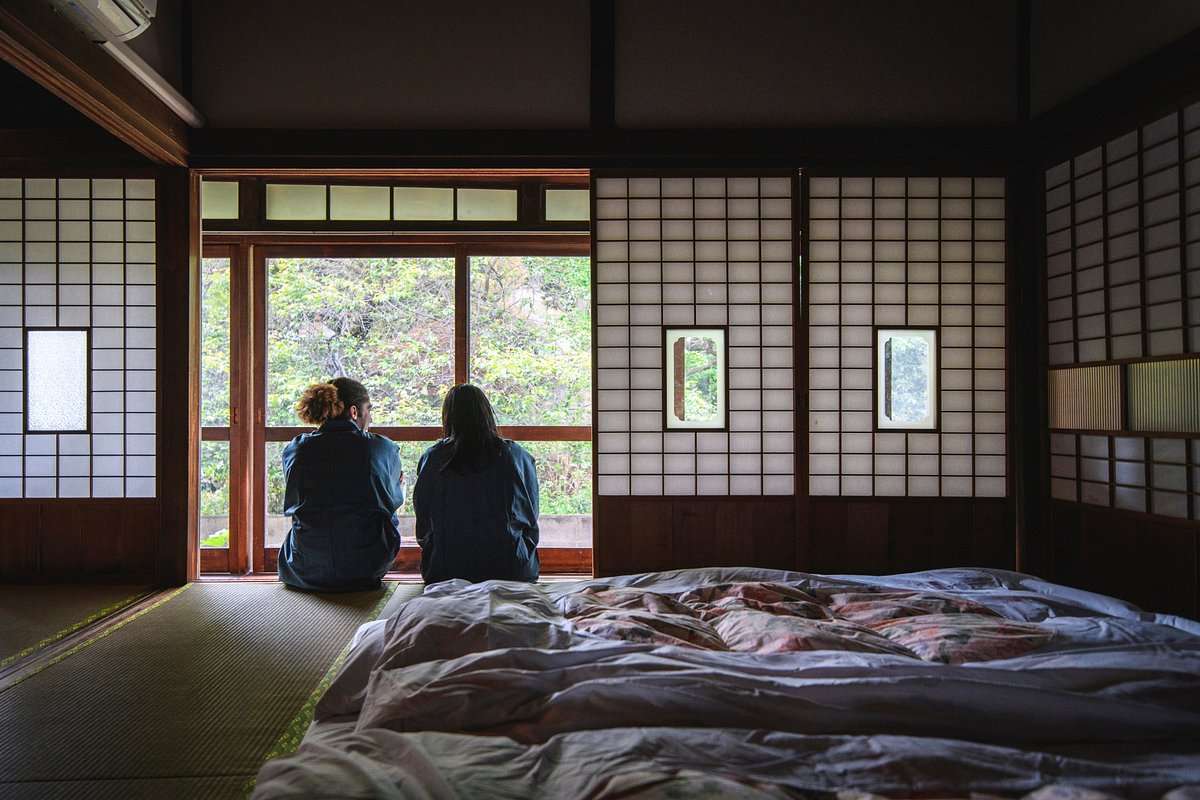
For first-time visitors to Japan, staying in a ryokan can feel both exciting and unfamiliar. Unlike hotels, ryokan follow traditional customs, etiquette, and rhythms that are deeply rooted in Japanese culture. These traditional inns provide more than just accommodation — they offer a glimpse into Japan’s history, hospitality, and daily rituals.
Understanding how ryokan stays work will help you choose the right property, fully enjoy the experience, and avoid common misunderstandings. From meals and bathing etiquette to room setup and seasonal experiences, ryokan are carefully designed to immerse guests in a slower, mindful rhythm of life.
The History and Cultural Significance of Ryokan
Ryokan date back hundreds of years, emerging during the Edo period as resting places for travelers along Japan’s highways. Originally, they provided meals, sleeping spaces, and a welcoming environment for merchants, pilgrims, and samurai. Over time, ryokan evolved into a symbol of Japanese hospitality, blending functional comfort with cultural rituals and attention to detail.
Staying in a ryokan is more than a hotel stay; it is an opportunity to experience Japanese values such as omotenashi — the spirit of selfless hospitality — and mindfulness in everyday actions. From the careful placement of utensils to the arrangement of tatami mats, every detail reflects centuries of tradition.
What is a Ryokan?
A ryokan is a traditional Japanese inn featuring:
- Tatami-matted rooms made from woven straw
- Futon bedding that is often laid out by staff in the evening
- Seasonal meals served in-room or communal dining areas
- Access to communal or private hot spring baths (onsen)
- Traditional interior design and architecture, including shoji sliding doors and wooden furnishings
Unlike hotels, ryokan focus on creating a calm and structured daily rhythm. Guests are encouraged to relax, follow meal and bathing schedules, and immerse themselves in a slower pace that encourages reflection and enjoyment of small details.
What First-Time Visitors Should Expect
A ryokan stay has its own set of customs that may differ from Western hotel experiences:
- Check-in often includes tea and a welcome hospitality service, giving guests a moment to settle in
- Shoes are removed at the entrance and not worn indoors, maintaining cleanliness and respecting tradition
- Futon bedding is typically prepared by staff in the evening, allowing guests to enjoy clean, ready-made beds without stress
- Breakfast and dinner are usually included, often served in traditional style
- Bathing etiquette, particularly in onsen facilities, is observed to maintain hygiene and comfort for all guests
Types of Ryokan
Ryokan vary depending on location, style, and level of service. Understanding the options can help first-time visitors choose the most suitable experience:
City Ryokan
Located in urban areas like Tokyo or Kyoto, city ryokan are often smaller and designed for convenience. They may feature modern amenities while retaining traditional décor and tatami rooms.
Onsen Ryokan
Found in mountainous or coastal regions, onsen ryokan emphasize bathing culture with hot spring pools, natural surroundings, and seasonal scenery. These are ideal for travelers seeking relaxation and a connection to nature.
Luxury and Boutique Ryokan
Luxury ryokan provide higher-end services, private onsen baths, refined kaiseki meals, and often personal guides or hosts to ensure every aspect of the stay is comfortable and culturally immersive.
Meals and Dining Etiquette
One of the most memorable aspects of a ryokan stay is the food. Meals are carefully prepared and often reflect the season, local ingredients, and traditional presentation methods. Visitors can expect:
- Kaiseki-style dining: Multi-course meals that emphasize freshness, presentation, and balance
- Seasonal ingredients reflecting the local region and time of year
- Meals served in-room or in a communal dining area, depending on the ryokan
- Etiquette, such as using chopsticks properly and waiting for all guests to be served before eating
Breakfasts often feature traditional Japanese dishes like miso soup, grilled fish, rice, and pickled vegetables, providing a gentle start to the day. Dinner can be an elaborate, multi-course experience that often becomes the highlight of the stay.
Onsen and Bathing Etiquette
Many ryokan feature communal or private onsen baths, which are central to the experience. Understanding proper etiquette ensures comfort for yourself and others:
- Wash thoroughly before entering the communal bath; rinsing off soap and shampoo is essential
- Do not bring towels into the water; use them to cover yourself outside the bath if needed
- Keep voices low and avoid splashing, maintaining a tranquil atmosphere
- People with tattoos may be restricted from some public baths; check rules in advance
Onsen bathing is not just for hygiene — it is a time to relax, reflect, and connect with the natural surroundings. Hot spring minerals are often believed to provide health benefits, making this ritual both restorative and culturally significant.
Activities and Experiences at Ryokan
Ryokan stays often include additional cultural activities:
- Tea ceremonies or tea tasting in traditional settings
- Yukata dressing to explore the ryokan and surrounding areas comfortably
- Seasonal experiences, such as cherry blossom viewing in spring or autumn foliage walks
- Local craft workshops or gallery visits, depending on the region
These activities enhance the immersive quality of the stay, allowing guests to connect with Japanese culture beyond the room and bath.
How a Ryokan Stay Typically Feels
Time in a ryokan unfolds gently. Mornings may begin quietly with a cup of tea while observing the garden or natural scenery. Afternoons can be spent exploring small shops, visiting local temples, or relaxing in the onsen. Evenings are centered around a structured meal and preparation for rest.
The rhythm encourages mindfulness, allowing travelers to appreciate subtle details, from the texture of tatami mats to seasonal flower arrangements. Unlike larger cities, there is no pressure to rush, and wandering without strict plans is rewarded.
Best Ryokan Locations for First-Time Visitors
Hakone
- 1–2 hours from Tokyo
- Famous for hot springs and mountain scenery
- Wide range of ryokan from budget to luxury
- Very accessible transportation options
Kusatsu
- Cool climate and forest surroundings
- Modern boutique-style ryokan available
- Popular for quiet escapes from city travel
Kyoto
- Historic temples and traditional streets nearby
- Many ryokan located in scenic districts
- Strong connection to Japan’s cultural heritage
How Long to Stay
The ideal length of stay depends on how deeply you want to explore and relax:
- 1–2 nights: Good for sampling the experience, especially if visiting multiple destinations
- 3–4 nights: Allows immersion in local rituals, meals, and onsen bathing
- 5+ nights: Perfect for a deep cultural experience, including day trips and seasonal activities
Common Mistakes to Avoid
- Booking without meals included, missing a key aspect of the experience
- Not checking whether the onsen is private or shared
- Arriving late and missing fixed dinner times
- Expecting a hotel-style flexible schedule
- Failing to prepare for seasonal conditions (cold winters or rainy seasons)
Booking Tips
For first-time guests, it is recommended to:
- Choose ryokan with English-speaking staff
- Consider private bathrooms if unfamiliar with shared bathing
- Book during less crowded periods for a more relaxed experience
- Research meal options and dietary accommodations in advance
Final Thoughts
A ryokan stay is less about accommodation and more about experiencing a traditional rhythm of Japanese life. From meals and baths to quiet reflection and seasonal observation, it provides an immersive cultural experience. Once you understand the structure — meals, bathing, rest, and hospitality — it becomes one of the most memorable parts of traveling in Japan.
For first-time visitors, embracing the slower pace,