Japan is a country defined by contrasts — from neon-lit cities to ancient temples, serene gardens, and quiet mountain towns. It is not a single experience, but a collection of distinct worlds. Each region carries its own rhythm, atmosphere, and identity. This guide helps you understand those differences and choose destinations that align with your travel style rather than simply ticking off a list of attractions.
Where to Begin Your Journey
For first-time visitors, Japan can feel overwhelming because of its sheer variety. The key is to focus on a balanced mix of energy, tradition, and nature rather than attempting to see everything at once. Each destination provides a unique lens on Japanese life and culture.
Tokyo: The Modern Pulse of Japan
Tokyo is fast, layered, and constantly moving. It is a city of contrasts where futuristic skyscrapers stand beside quiet shrines and residential streets. The city’s energy changes block by block, making exploration as rewarding as the destinations themselves.
- Shibuya and Shinjuku for neon lights, nightlife, and shopping
- Asakusa for traditional temples and historic streets
- Ueno and Akihabara for museums, parks, and pop culture
- Hidden neighbourhoods like Kagurazaka or Yanaka for a quieter, local feel
Kyoto: The Cultural Heart
Kyoto offers a completely different rhythm. The pace slows down here, and the city encourages reflection. Temples, gardens, and traditional streets create an atmosphere steeped in history. Early mornings, temple walks, and quiet side streets are the best ways to experience Kyoto.
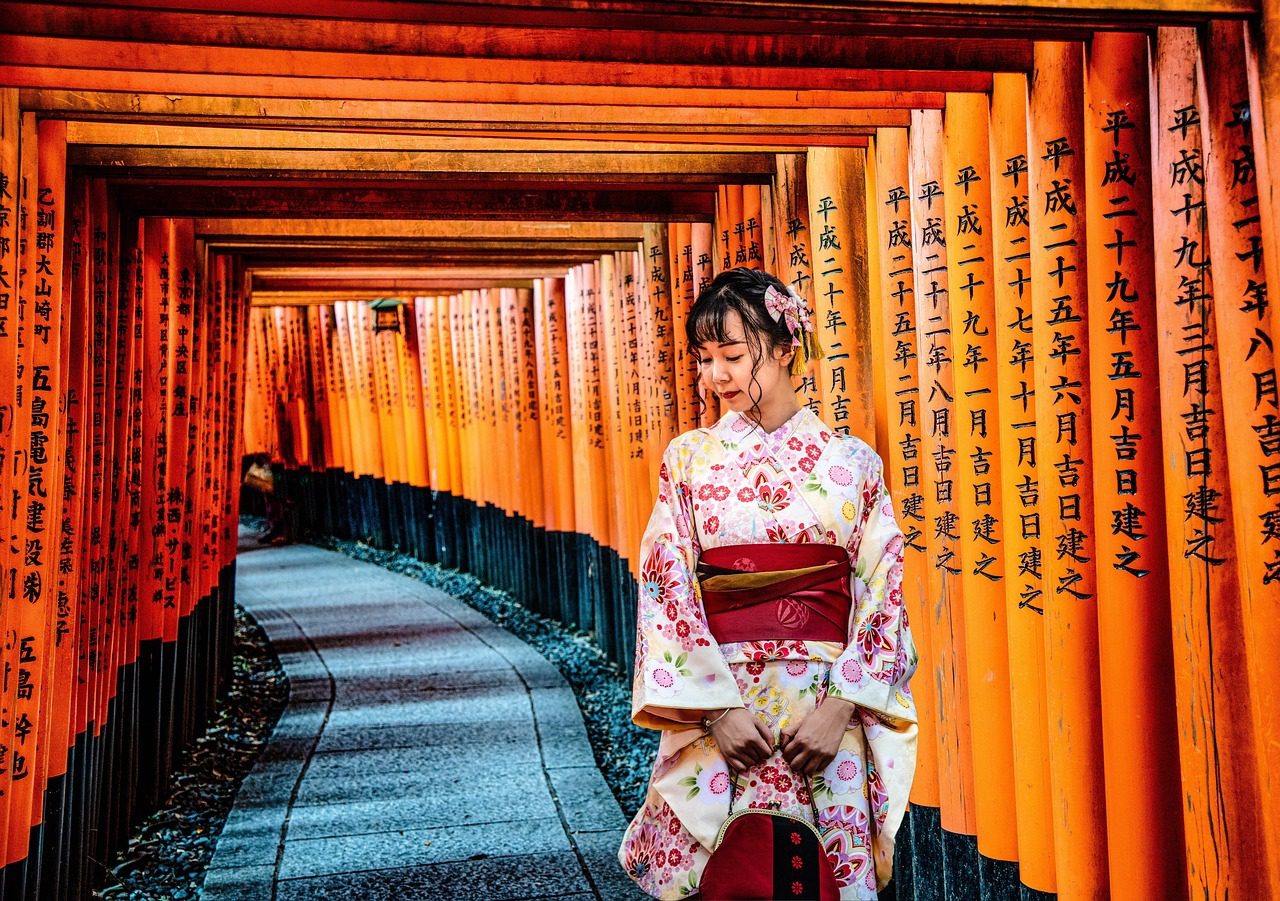
- Fushimi Inari Shrine and its torii gates
- Gion district for traditional architecture and geisha culture
- Kinkaku-ji (Golden Pavilion) and Ryoan-ji gardens for serene reflection
- Philosopher’s Path for scenic walks during cherry blossom or autumn foliage season
Osaka: Food, Energy & Local Life
Osaka is lively and approachable, often considered the most down-to-earth of Japan’s major cities. Its warmth and strong food culture make it ideal for visitors seeking authentic local experiences.
- Dotonbori for street food, neon signs, and canal walks
- Osaka Castle for history and park exploration
- Kuromon Ichiba Market for fresh local delicacies
- Nightlife in Umeda and Namba for a relaxed yet vibrant atmosphere
Hakone & Mount Fuji: Nature and Escape
Located just outside Tokyo, Hakone and the Mount Fuji region provide a refreshing contrast to city life. Open landscapes, hot springs, and views of Japan’s iconic mountain make this area perfect for relaxation and nature-focused travel.
- Hakone Onsen for rejuvenating hot spring experiences
- Lake Ashi boat cruises with views of Mount Fuji
- Hakone Open-Air Museum for art in natural surroundings
- Access to Fuji Five Lakes and nearby hiking trails
Kanazawa: Quiet Elegance
Kanazawa blends preserved history with coastal charm. It offers a slower, more reflective atmosphere compared to Japan’s larger cities.
- Kenrokuen Garden for seasonal beauty
- Higashi Chaya District for historic teahouses
- 21st Century Museum of Contemporary Art for a modern twist
- Omicho Market for local seafood and produce
Hiroshima & Miyajima: Reflection and Beauty
Hiroshima is a city of historical significance, while nearby Miyajima Island provides natural beauty and iconic coastal views. Together, they form one of Japan’s most meaningful travel experiences.
- Peace Memorial Park and Museum in Hiroshima for historical reflection
- Miyajima Island and Itsukushima Shrine for scenic, spiritual immersion
- Hike Mount Misen for panoramic views
- Local Hiroshima-style okonomiyaki for authentic culinary experiences
How to Choose Your Destinations
Rather than trying to visit every possible location, it is better to build your itinerary around your travel style. Japan rewards depth over speed:
- First-Time Route: Tokyo → Kyoto → Osaka
- Nature Focus: Hakone → Mount Fuji → Japanese Alps
- Cultural Journey: Kyoto → Kanazawa → Nara
- Slow Travel: Smaller towns, rural areas, coastal regions
Understanding Japan’s Travel Rhythm
Travel in Japan is structured yet flexible. While cities are efficient and easy to navigate, the true experience comes from slowing down once you arrive. Each destination has its own pace, and adjusting to it allows deeper cultural and scenic immersion.
Common Mistakes to Avoid
- Trying to visit too many cities in a short timeframe
- Only staying in major tourist areas and missing local charm
- Ignoring regional differences in culture, food, and atmosphere
- Planning an itinerary without considering travel times between locations
Final Thoughts
Japan is best experienced as a collection of moments rather than a checklist of sites. Whether it is the high energy of Tokyo, the calm reflection of Kyoto, or the quiet charm of smaller towns, each destination adds depth and nuance to your journey.
Take your time, travel with intention, and allow space for discovery — this is how Japan reveals its true character, layer by layer, from the bustling neon streets to serene temple gardens and tranquil coastal towns.