
Art & Culture · Japan
Discover a Japan where creativity moves beyond the gallery walls, blending contemporary art, immersive technology and extraordinary architecture.
Japan’s contemporary art scene offers a fresh perspective on a country often associated with ancient temples, traditional crafts and historic landscapes. Across its major cities and quieter islands, artists and cultural institutions are exploring new ways to bring art into everyday life. Visitors can encounter interactive digital environments, experimental exhibitions, striking architecture and independent galleries that reveal another side of Japanese culture.
01 · Tokyo
Tokyo’s Leading Contemporary Art Museums
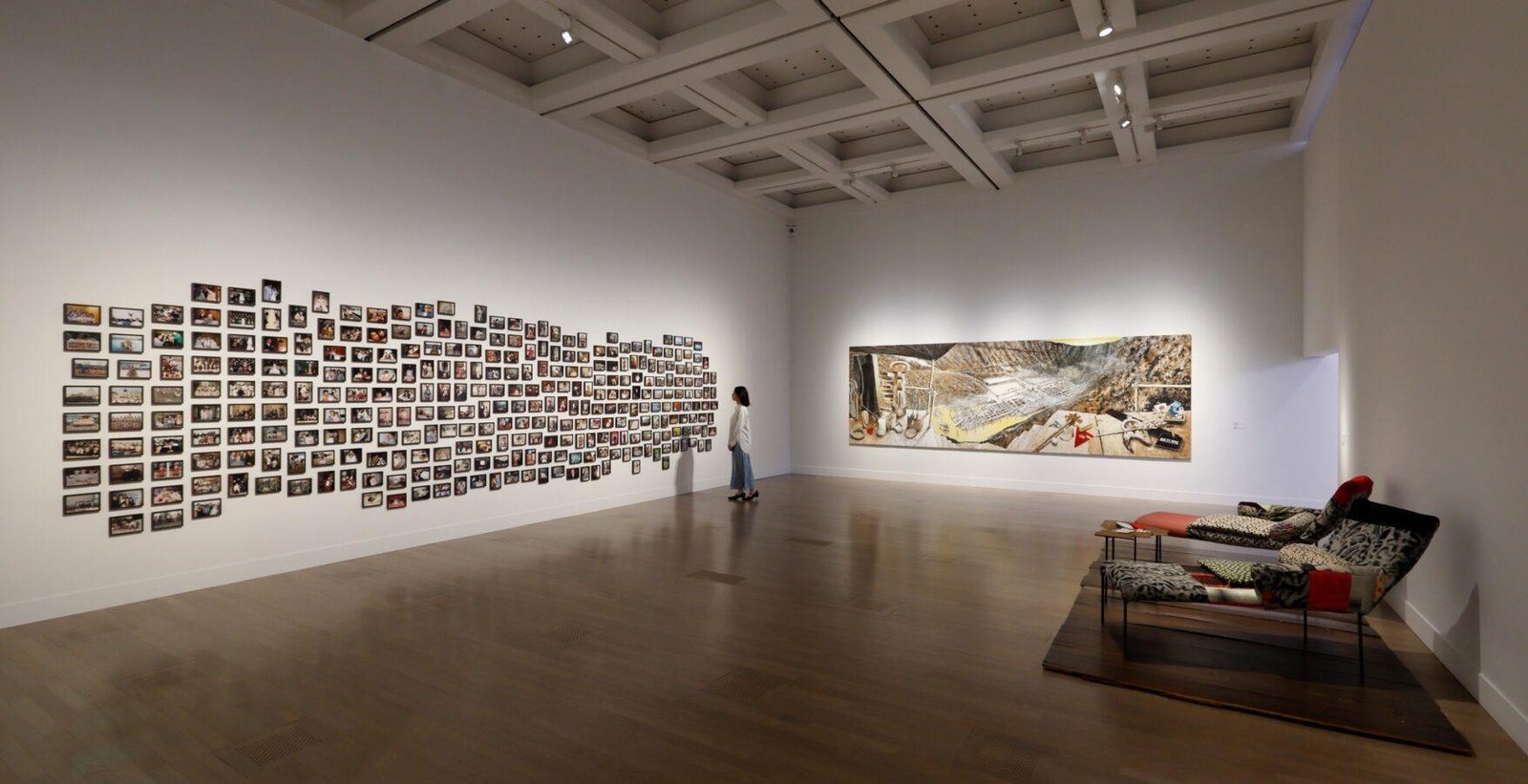
Tokyo is an excellent starting point for exploring contemporary art in Japan. The capital brings together major exhibition spaces, international artists, ambitious architecture and institutions that challenge the boundaries between art and the wider world.
The National Art Center, Tokyo
Located in Roppongi, the National Art Center is known for its distinctive wave-like glass architecture and expansive exhibition spaces. Rather than relying on a conventional permanent collection, it presents a changing programme of exhibitions across different artistic disciplines.
It is particularly appealing to visitors who enjoy discovering new artists and seeing how contemporary Japanese and international art is presented in a modern architectural setting.
Mori Art Museum
Also in Roppongi, Mori Art Museum focuses on contemporary art from Japan, Asia and around the world. Its exhibitions often explore current social questions, identity, urban life and the changing relationship between people and their surroundings.
The museum’s position within Roppongi Hills also makes it convenient to combine an art visit with architecture, dining and views across Tokyo.
teamLab Planets
teamLab Planets offers a more physical and immersive approach to art. Visitors move through large-scale digital environments in which light, projections, movement and reflections transform the experience of a space.
Instead of simply standing in front of an artwork, visitors become part of the environment. The experience can appeal to travellers who are curious about the intersection of art, technology and sensory design.
Travel tip: Check the current exhibition programme and entry arrangements before visiting. Temporary exhibitions and popular immersive experiences may require advance booking.
02 · Art & Technology
Immersive and Digital Art Experiences
One of the most distinctive aspects of Japan’s contemporary art scene is the way technology can become part of the artwork itself. Digital installations may respond to movement, alter the appearance of a room or create the impression that images are flowing between different spaces.
These experiences offer a different rhythm from a traditional museum visit. Rather than following a sequence of framed works, visitors explore environments, notice how light and sound change, and discover details at their own pace.
teamLab Borderless
teamLab Borderless in Tokyo is designed around interconnected digital artworks. Images and installations can flow between spaces, creating an environment that feels less like a conventional exhibition and more like a constantly evolving world.
Allow enough time to explore rather than rushing from room to room. The appeal lies in experiencing the spaces and noticing how the works interact.
Beyond Tokyo, technology-driven exhibitions and creative projects can also be found in other Japanese cities. The exact experiences available vary by venue, so researching local programmes can reveal interesting alternatives away from the capital.
For travellers, this approach creates an opportunity to engage with Japanese creativity in a way that feels immediate, accessible and memorable, even without a specialist background in art history.
03 · Independent Galleries
Discover Tokyo’s Emerging Art Districts
Some of the most rewarding art discoveries happen outside the major museums. Tokyo’s neighbourhoods contain smaller galleries, independent exhibition spaces and pop-up projects where visitors can encounter emerging artists and more experimental ideas.
Roppongi
Roppongi is a natural choice for a contemporary art itinerary. Alongside major institutions, the district has galleries and changing exhibitions that make it possible to spend several hours exploring art, architecture and the wider cultural scene.
Daikanyama
Daikanyama offers a more relaxed neighbourhood atmosphere, with design-conscious spaces, independent shops and boutique galleries. It is a good area to explore slowly, allowing time for unexpected discoveries between planned stops.
Shibuya and Harajuku
These energetic districts reflect Tokyo’s changing youth culture, visual identity and street-inspired creativity. Depending on the current programme, visitors may find pop-up exhibitions, art collaborations and installations that sit between contemporary art, fashion and popular culture.
Independent galleries are particularly worthwhile for travellers who want to look beyond headline attractions. Exhibitions can be intimate and focused, and the work on display may offer a different perspective from the larger institutions.
04 · Beyond Tokyo
Contemporary Art Across Japan
Japan’s contemporary art experiences are not limited to the capital. Across the country, museums and art projects connect creativity with regional identity, architecture and the surrounding landscape.
Naoshima and the Seto Inland Sea
Naoshima is one of Japan’s best-known destinations for contemporary art. Museums, architectural projects and outdoor installations create a distinctive relationship between art and the island’s coastal setting.
Nearby islands, including Teshima and Inujima, offer additional opportunities to explore art in a quieter environment. These destinations are especially rewarding for travellers who enjoy combining cultural visits with walking, scenery and a slower pace of travel.
Kanazawa
The 21st Century Museum of Contemporary Art, Kanazawa, is known for its modern design and exhibitions featuring Japanese and international artists. It provides an engaging contrast to the city’s historic districts, traditional crafts and preserved cultural heritage.
Art in the Wider Landscape
Other destinations, including Aomori and Towada, offer contemporary art institutions that bring together architecture, sculpture and creative approaches to public space. Depending on the itinerary, these visits can introduce travellers to a less familiar side of regional Japan.
Consider a longer stay: Island art destinations often require ferry journeys and careful planning between venues. An overnight stay can make the experience more relaxed than attempting to fit everything into a single day.
05 · Planning Your Visit
How to Make the Most of Japan’s Contemporary Art Scene
A little preparation can make an art-focused trip considerably more rewarding. Some museums have permanent displays, while others concentrate on temporary exhibitions or ticketed experiences. Opening days, photography rules and entry arrangements can differ from one venue to another.
Plan Around Exhibitions
Review official museum websites before travelling and check which exhibitions will be open on your chosen dates. If a particular artist or installation is important to your visit, confirm that it will be available.
Reserve Popular Experiences
Book ahead where advance reservations are recommended or required, particularly for popular immersive installations. Check the official ticket information for your specific date and entry time.
Leave Room for Discovery
Avoid filling every hour with scheduled visits. Smaller galleries, independent exhibitions and unexpected creative spaces can become some of the most memorable parts of an art-focused journey.
Combine Art with Architecture and Food
Many contemporary art districts are also interesting places to explore design, cafés, restaurants and urban architecture. Combining these experiences creates a richer understanding of the city rather than treating each museum as an isolated stop.
Respect Each Venue’s Guidelines
Photography, touching artworks, footwear and visitor routes may be subject to specific rules. Follow the instructions displayed at each venue, particularly in interactive installations where the environment itself forms part of the artwork.
06 · The Bigger Picture
Why Contemporary Art Reveals Another Side of Japan
Japan’s contemporary art scene reflects a creative culture that can embrace tradition while continually experimenting with new materials, technologies and ideas. Artists may draw on Japanese aesthetics, popular culture, urban life, international influences or the natural environment, producing work that resists a single definition of Japanese art.
This diversity is part of what makes the country so rewarding for culturally curious travellers. A visit might move from a centuries-old temple or traditional craft workshop to a digital installation, an experimental gallery or a museum designed around the relationship between art and landscape.
Rather than replacing Japan’s traditional cultural experiences, contemporary art adds another dimension to them. It invites visitors to consider how the country sees itself today and how its creative communities are responding to a rapidly changing world.
Explore Japan Differently
A Journey Through Japan’s Creative Side
From Tokyo’s ambitious museums and immersive digital environments to the art islands of the Seto Inland Sea, contemporary art offers a compelling reason to look beyond the familiar travel itinerary.
Take time to explore, allow space for unexpected discoveries and combine major cultural landmarks with smaller independent spaces. The result is a more personal journey through Japan’s evolving artistic identity.
