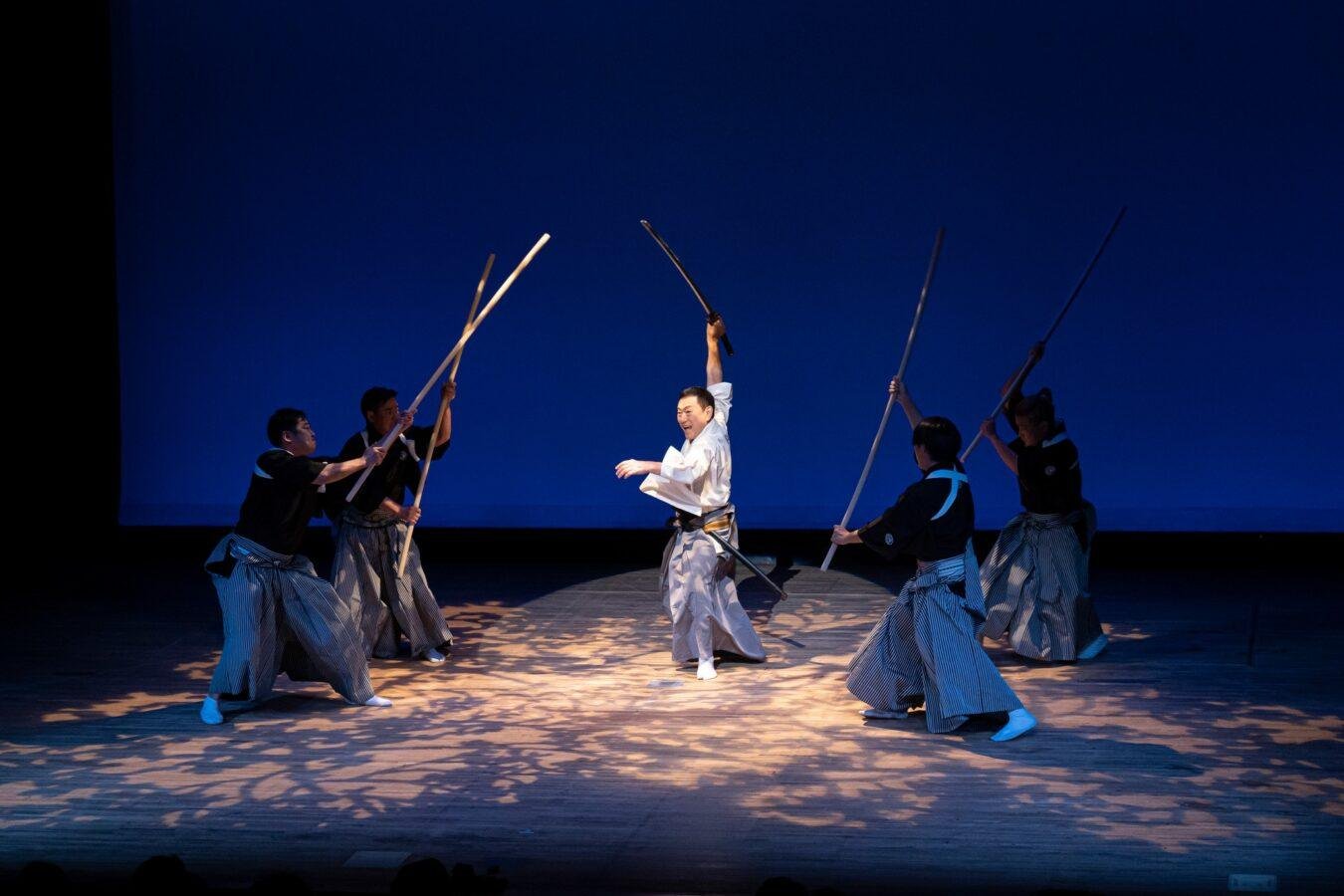
Japan’s traditional art museums provide a fascinating window into the country’s past, preserving centuries of craftsmanship, philosophy, and cultural identity. From samurai armor to intricate ceramics and ink paintings, these museums allow visitors to connect deeply with the history and spiritual values that have shaped Japanese society.
Samurai and Edo Period Collections
Japan’s samurai history and Edo period culture are preserved in many museums, offering a glimpse into life from the 17th to 19th centuries. These collections showcase the artistry, strategy, and daily life of a bygone era.
- Edo-Tokyo Museum (Tokyo) — Highlights the evolution of Tokyo from Edo period to modern times. Visitors can explore full-scale models of historical streets, samurai residences, and marketplaces, along with authentic armor and weaponry.
- Tokyo National Museum (Tokyo) — Houses one of the largest collections of samurai artifacts in Japan, including swords, ceremonial armor, and historical documents.
- Ninomaru Palace, Nijo Castle (Kyoto) — Not a traditional museum, but its preserved interiors and armory displays provide insight into Edo-period aristocracy and samurai culture.
Ceramics and Fine Craftsmanship
Japan’s craftsmanship is legendary, particularly in ceramics. Museums dedicated to pottery and traditional crafts showcase techniques that have been passed down through generations, preserving both skill and artistry.
- Kyoto National Museum (Kyoto) — Features exquisite ceramics from various regions, including tea ceremony utensils, vases, and figurines.
- Kanazawa 21st Century Museum of Contemporary Art (Kanazawa) — While known for modern art, the museum hosts exhibits that highlight traditional craft techniques, bridging the past and present.
- Arita Porcelain Museum (Saga Prefecture) — Celebrates the rich history of Japanese porcelain, with hands-on demonstrations of traditional techniques.
These museums allow visitors not only to view artworks but also to understand the painstaking processes behind each piece. Many museums offer live demonstrations, which provide a deeper appreciation of the skill and patience involved.
Calligraphy and Ink Painting
Japanese calligraphy and ink painting (sumi-e) are not only artistic practices but also spiritual disciplines. Many museums display works that embody Zen principles and reflect a meditative approach to creativity.
- Tokyo National Museum (Tokyo) — Features classical ink paintings and calligraphy that span centuries, with special exhibits often highlighting Zen influences.
- Kiyomizu Sannenzaka Museum (Kyoto) — Focuses on local artists and calligraphers, offering workshops for visitors who want to try their hand at brushwork.
- Kanazawa Noh Museum (Kanazawa) — While primarily a performance museum, it displays ink paintings, masks, and scrolls that demonstrate traditional artistic techniques used in theater.
Where to Experience Traditional Art
Certain cities in Japan are particularly rich in traditional art museums. Kyoto and Kanazawa stand out as cultural hubs where well-preserved districts, temples, and museums converge.
- Kyoto — Home to a vast number of art museums, galleries, and historic temples. Highlights include the Kyoto National Museum, Raku Museum (tea ceremony pottery), and numerous smaller private collections.
- Kanazawa — Known for its samurai and geisha districts, Kanazawa offers museums that specialize in traditional crafts, gold leaf artistry, and regional ceramics.
Visiting these cities allows travelers to combine museum experiences with historic architecture, gardens, and cultural workshops, creating a fully immersive journey into Japan’s heritage.
Visitor Tips
- Take advantage of guided tours when available, as they provide context that greatly enhances understanding of historical and artistic significance.
- Check museum schedules in advance. Some exhibits rotate seasonally or have limited viewing periods for certain artifacts.
- Consider combining museum visits with nearby cultural experiences, such as tea ceremonies, kimono rentals, or traditional craft workshops.
- Allow enough time for smaller museums. While less crowded, these often house hidden treasures not found in larger institutions.
Final Thoughts
Japan’s traditional art museums provide an invaluable glimpse into the nation’s history, culture, and spiritual life. From samurai relics to ceramics and ink paintings, these museums preserve skills and traditions that have shaped Japanese society for centuries. For culturally curious travelers, they offer more than just exhibits—they offer connection, understanding, and a deeper appreciation of Japan’s rich heritage.