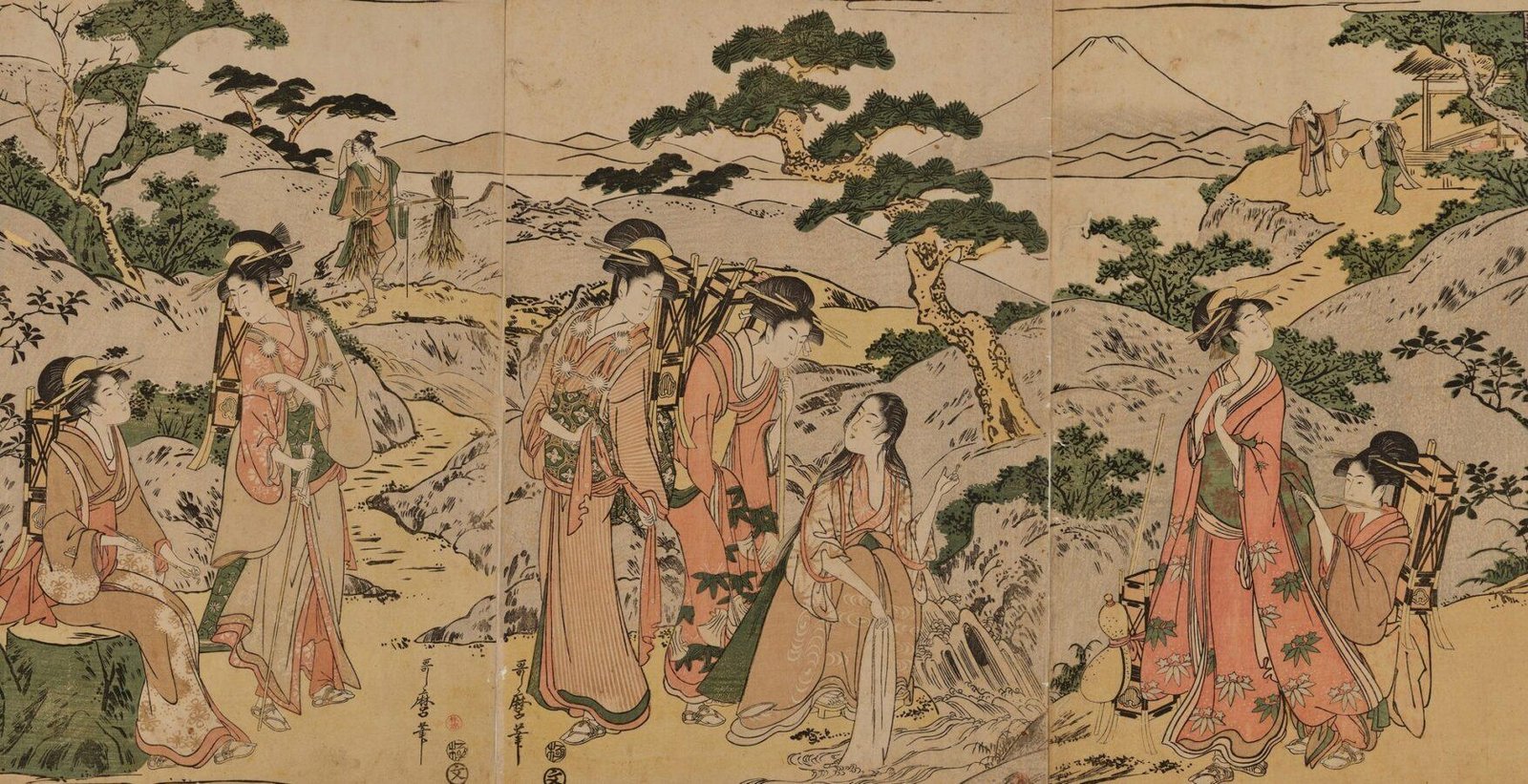
Japan is home to some of the most impressive art museums in the world, blending centuries-old tradition with bold contemporary design. Whether you are visiting for the first time or returning to explore more, Japan’s museum scene offers a remarkable variety of experiences that cater to history lovers, art enthusiasts, and modern culture explorers alike. From ancient samurai artifacts and classical ink paintings to immersive digital installations and experimental contemporary galleries, Japan presents art as a living, evolving experience rather than a static display.
Across the country, museums are not only places to observe art but also spaces to feel, interact, and reflect. Whether located in major cities like Tokyo and Kyoto or on remote islands such as Naoshima, each destination reveals a different layer of Japan’s cultural identity. This guide explores the most important museum experiences across Japan, along with travel tips, seasonal highlights, and recommendations for making the most of your visit.
Tokyo’s Must-Visit Art Museums
Tokyo stands at the center of Japan’s modern art world, offering a balance between historical depth and futuristic creativity. Visitors can explore everything from ancient artifacts to interactive digital worlds in a single city.
- Tokyo National Museum (Ueno Park) — Japan’s oldest and largest museum, housing priceless collections of samurai armor, classical paintings, ceramics, Buddhist sculptures, and archaeological treasures. It provides the most complete overview of Japanese history through art.
- Mori Art Museum (Roppongi Hills) — A leading contemporary art museum showcasing international and Japanese artists. Known for bold, thought-provoking exhibitions and panoramic views of Tokyo from its observation deck.
- National Art Center, Tokyo — One of the largest exhibition spaces in Japan, featuring rotating exhibitions across multiple disciplines, from photography to large-scale installations. The building itself is a masterpiece of modern architecture.
- teamLab Borderless — A groundbreaking digital art museum where light, motion, and sound interact with visitors. There are no fixed routes; the art moves freely, creating a constantly changing immersive environment.
- Edo-Tokyo Museum — A detailed reconstruction of old Tokyo (Edo), featuring life-size models of historical streets, bridges, and homes. It offers an immersive journey into Japan’s urban past.
Kyoto’s Traditional Art Spaces
Kyoto is the cultural heart of Japan, where centuries of tradition remain deeply preserved. Its museums focus on craftsmanship, spirituality, and artistic refinement.
- Kyoto National Museum — Displays classical Japanese paintings, textiles, ceramics, and religious artifacts. Exhibitions often rotate based on seasonal themes and historical periods.
- Raku Museum — Dedicated to the Raku family’s pottery tradition, central to Japanese tea ceremonies. It offers insight into the philosophy behind Japanese aesthetics and simplicity.
- Kyoto Municipal Museum of Art — A blend of traditional and modern works, bridging Japan’s artistic heritage with contemporary interpretation.
- Kyoto International Manga Museum — A unique cultural space dedicated to Japanese manga, housing thousands of comic works that trace the evolution of this globally influential art form.
Naoshima: Japan’s Famous Art Island
Naoshima is one of Japan’s most unique cultural destinations, often called the “art island.” It transforms nature, architecture, and contemporary art into one unified experience.
- Chichu Art Museum — Built underground to preserve the island’s natural landscape. Features works by Monet, James Turrell, and Walter De Maria in carefully designed natural lighting spaces.
- Benesse House Museum — A hybrid museum and hotel where guests live surrounded by contemporary art installations.
- Art House Project — Converts abandoned homes into site-specific art installations, blending local history with modern creativity.
- I Love Yu Bathhouse — A colorful reinterpretation of a traditional Japanese bathhouse filled with playful contemporary art elements.
Naoshima offers a meditative experience where visitors are encouraged to slow down, reflect, and experience art as part of everyday life rather than a separate exhibition.
Hidden Gems and Regional Museums
Beyond major cities, Japan is filled with lesser-known museums that offer intimate and deeply personal experiences.
- Adachi Museum of Art (Shimane) — Famous for its award-winning Japanese gardens, designed to be viewed like living paintings.
- 21st Century Museum of Contemporary Art (Kanazawa) — A modern museum featuring interactive installations and innovative architectural design.
- Okura Museum of Art (Tokyo) — One of Japan’s oldest private art museums, showcasing classical East Asian works.
Best Time to Visit Museums in Japan
- Spring — Cherry blossoms enhance museum gardens and temple surroundings, especially in Kyoto and Tokyo.
- Summer — Ideal for indoor museums and digital art experiences such as teamLab exhibitions.
- Autumn — Vibrant foliage creates stunning scenery around traditional museums.
- Winter — Fewer crowds and special seasonal exhibitions offer a peaceful cultural experience.
- Weekdays — Best for avoiding crowds and enjoying exhibitions at a relaxed pace.
Practical Travel Tips
- Many museums offer English guides, audio tours, and multilingual signage.
- Book tickets in advance for popular museums like teamLab and Naoshima attractions.
- Allow extra time for interactive or large-scale exhibitions.
- Combine museum visits with cultural experiences such as tea ceremonies or craft workshops.
- Check for seasonal exhibitions, as many museums rotate displays throughout the year.
Final Thoughts
Exploring Japan’s art museums is more than a cultural activity—it is an immersive journey through time, creativity, and identity. Each museum tells a different story: Tokyo reflects innovation and global influence, Kyoto preserves tradition and spiritual depth, while Naoshima redefines how art interacts with nature and daily life. Together, they form a cultural landscape that is both diverse and deeply connected.
What makes Japan’s museum scene truly special is its ability to balance preservation and innovation. Ancient samurai armor can exist alongside cutting-edge digital installations, and centuries-old ceramics can inspire modern design. This harmony between past and present creates a museum experience that feels alive, constantly evolving with time and technology.
For travelers, these museums offer more than visual enjoyment—they provide reflection, inspiration, and a deeper understanding of Japanese culture. Whether walking through the quiet halls of Kyoto’s traditional museums, standing inside an immersive digital installation in Tokyo, or cycling across Naoshima’s art-filled landscapes, visitors leave with memories that extend far beyond the exhibits themselves.
Ultimately, Japan’s art museums invite you to slow down, observe, and connect. They remind us that art is not just something to be seen, but something to be experienced. For anyone visiting Japan, these cultural spaces are not optional stops—they are essential parts of understanding the country’s soul.