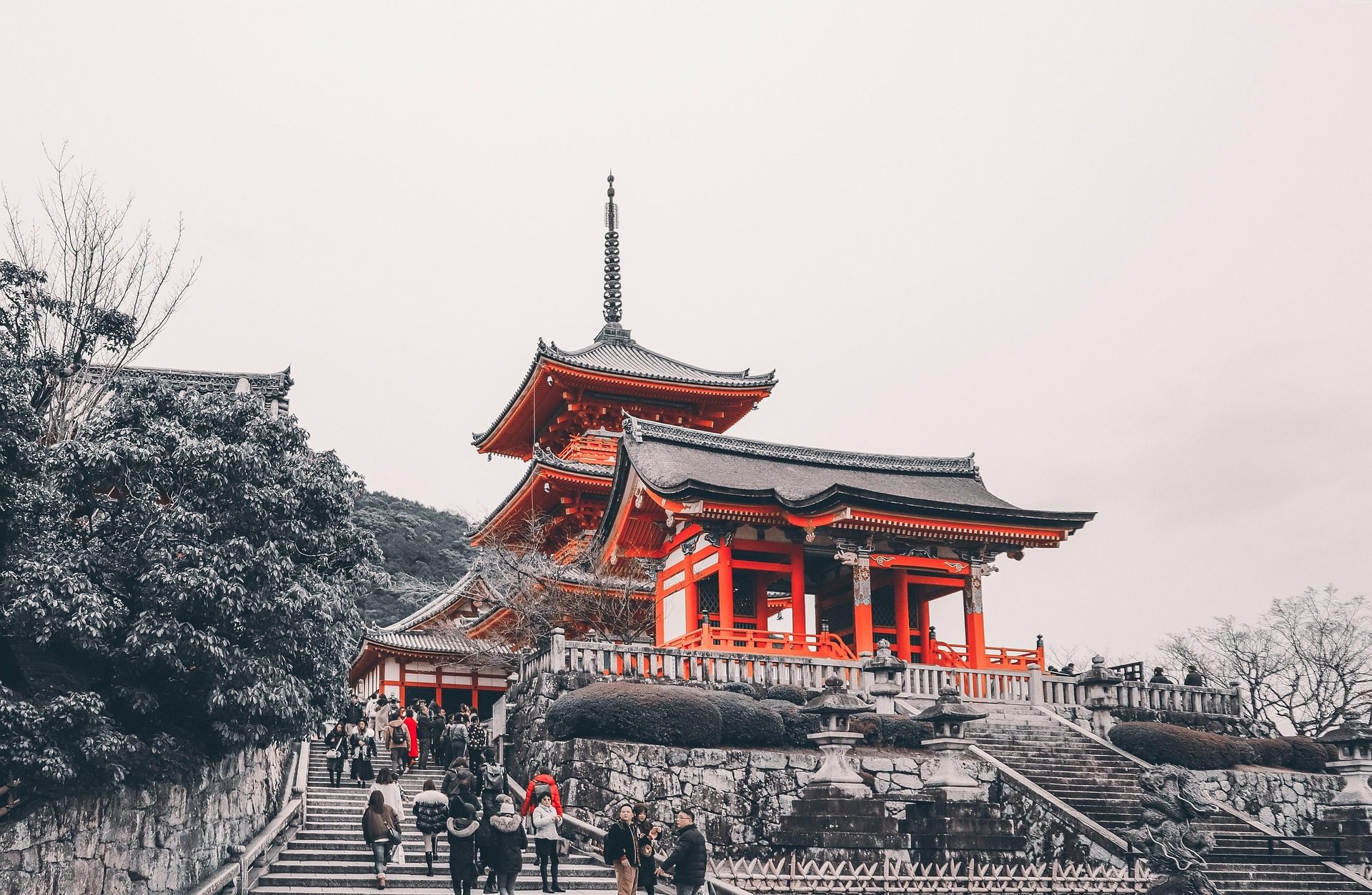
Kiyomizu-dera, perched on the eastern hills of Kyoto, is one of the city’s most iconic temples. From its towering wooden stage, visitors are treated to sweeping views over Kyoto’s rooftops, seasonal forests, and distant mountains. The temple perfectly blends history, nature, and spirituality, creating an unforgettable cultural experience that has captivated visitors for centuries.
History of Kiyomizu-dera
Founded in 778, Kiyomizu-dera is one of Kyoto’s oldest temples and a central site of Buddhist devotion and pilgrimage. Despite multiple reconstructions due to fires over the centuries, its spiritual presence and architectural identity have remained constant. Today, it is a UNESCO World Heritage Site and one of Japan’s most significant cultural landmarks.
- Founded in 778 AD
- Multiple reconstructions after fires throughout history
- UNESCO World Heritage Site
- Important site of Buddhist pilgrimage and devotion
The Famous Wooden Stage
The temple’s signature feature is its vast wooden stage, built without nails and supported by enormous pillars rising above the hillside. This engineering marvel allows visitors to enjoy panoramic views of Kyoto. Each season transforms the vista — cherry blossoms in spring, lush greenery in summer, vibrant reds and golds in autumn, and a serene snow-dusted landscape in winter.
- Large wooden stage built without nails
- Supported by massive wooden pillars
- Panoramic views over Kyoto and surrounding hills
- Iconic seasonal perspectives for photography and contemplation
Otowa Waterfall
Below the main hall lies Otowa Waterfall, where three streams flow into a basin. Each stream is said to grant a specific blessing — longevity, academic success, or strong relationships. Visitors use long ladles to drink from the streams, guided by tradition and respect.
- Three streams offering distinct blessings
- Longevity, academic success, strong relationships
- Visitors use ladles to drink water respectfully
- Ritual encourages mindfulness and moderation
Temple Grounds & Approach Streets
The surrounding temple grounds feature winding stone paths, smaller shrines, and scenic viewpoints. The approach streets are lined with traditional shops, sweets vendors, and tea houses, creating a lively yet serene atmosphere that seamlessly blends culture with spirituality.
- Winding stone pathways and small shrines
- Quiet viewpoints overlooking Kyoto
- Traditional shops and local food vendors along the approach
- Blend of cultural activity and sacred space
Hidden Gems & Local Experiences
Kiyomizu-dera offers subtle details and experiences for deeper exploration:
- Secret garden corners with seasonal flora
- Small auxiliary shrines dedicated to local deities
- Traditional tea houses serving matcha along approach streets
- Local artisan shops offering Kyoto crafts and souvenirs
Seasonal Highlights
Each season at Kiyomizu-dera provides a unique atmosphere and perspective:
Spring: Cherry Blossoms
- Late March to early April: cherry blossoms bloom along temple paths
- Soft morning light enhances panoramic views from the wooden stage
- Ideal season for photography of temple architecture and surrounding hills
Summer: Green Serenity
- Lush greenery and moss gardens offer cool, shaded walks
- Less crowded mornings allow for meditative exploration
- Nearby hiking paths in the hills provide extended nature experiences
Autumn: Maple Splendor
- Late October to early November: maple leaves turn vivid reds and golds
- Contrasts beautifully with the wooden stage and surrounding forest
- Early morning visits provide peaceful and photogenic views
Winter: Snow and Silence
- January–February: snow-covered hills create a tranquil atmosphere
- Quiet temple grounds ideal for reflection and meditation
- Perfect season for serene, contemplative photography
Practical Visiting Information
- Best time: Early morning during spring or autumn for calm and light
- Time needed: Approximately 1.5 hours for temple and surrounding streets
- Photography: Allowed outdoors; interior halls may have restrictions
- Access: Bus or taxi from Kyoto Station; short walk through Higashiyama district
- Admission: Modest fee contributes to temple maintenance and preservation
Extended Kyoto Cultural Itinerary
Kiyomizu-dera can be part of a full day exploring Kyoto’s eastern hills:
- Morning: Visit Kiyomizu-dera for the wooden stage and panoramic views
- Midday: Explore Higashiyama streets, tea houses, and local food
- Afternoon: Continue to nearby Kodai-ji or Gion district for cultural immersion
- Evening: Enjoy a quiet stroll along historic lanes or riverside pathways
Why Visit Kiyomizu-dera
Kiyomizu-dera embodies Kyoto’s harmony of history, nature, and spirituality. From the wooden stage to Otowa Waterfall and the surrounding hills, it offers visitors a dynamic yet contemplative experience. Whether it is your first visit or a return journey, the temple provides timeless views and serene reflection.
Final Thoughts
For travelers seeking both grandeur and calm, Kiyomizu-dera offers one of Kyoto’s most iconic and reflective temple experiences. Every season transforms its views and gardens, and its architectural marvels encourage meditation, mindfulness, and appreciation of Japan’s enduring cultural heritage.