Deer, Temples & Timeless Japanese Culture
Nara, Japan’s First Capital
Nara is one of Japan’s most historically significant cities, having served as the country’s first permanent capital over 1,300 years ago. Today, it remains a serene blend of sacred temples, ancient forests, and cultural heritage, offering travelers a glimpse into Japan’s spiritual and artistic past.
Unlike Japan’s larger cities, Nara moves at a slower, more reflective pace. Nature, spirituality, and history coexist here harmoniously, allowing visitors to explore at leisure while immersing themselves in the calm atmosphere of this timeless city. Nara is best known for its friendly sacred deer, UNESCO World Heritage temples, and beautifully preserved traditional districts.
Why Visit Nara
Nara offers a rare combination of wildlife, history, and spirituality all within a compact, walkable city.
- Sacred Deer: Over 1,000 freely roaming deer in Nara Park, considered messengers of the gods.
- UNESCO World Heritage Sites: Temples, shrines, and monuments reflecting ancient Japan.
- Historical Significance: Former capital dating back to 710 AD, offering a glimpse into Japan’s early urban planning.
- Peaceful Gardens & Streets: Serene temple grounds and preserved merchant districts provide contemplative spaces for exploration.
- Accessibility: Compact city ideal for day trips from Osaka, Kyoto, or Tokyo.
Top Temples & Shrines
Todai-ji Temple
Todai-ji is Nara’s most iconic landmark, home to the Great Buddha (Daibutsu), one of the largest bronze Buddha statues in the world. The Daibutsuden, or Great Buddha Hall, is an architectural marvel, originally built in 752 AD and reconstructed over the centuries. Visitors can witness intricate wooden carvings and the sheer scale of the temple, which symbolizes Nara’s historical importance as a religious hub.
Kasuga Taisha Shrine
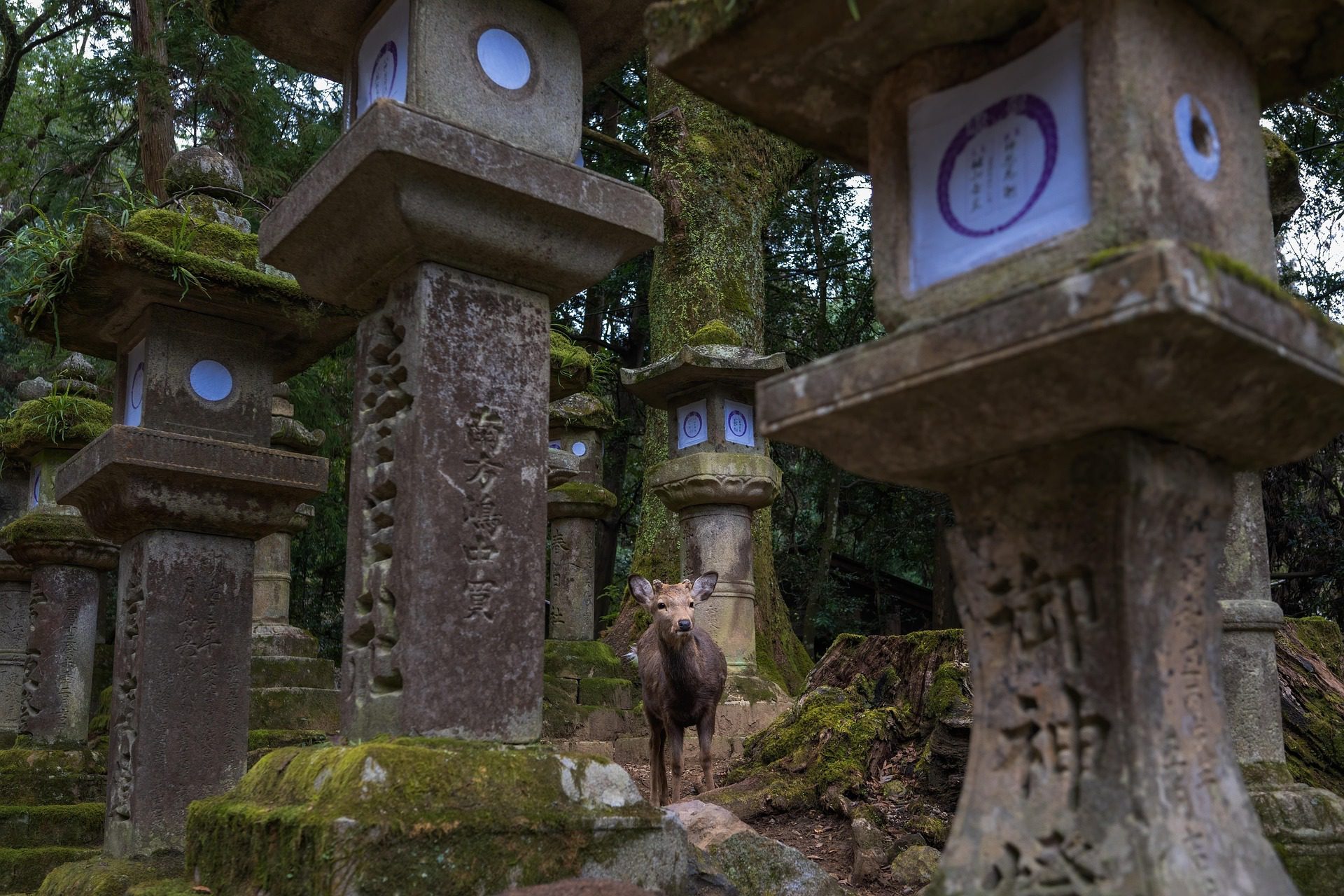
Famous for its hundreds of bronze and stone lanterns, Kasuga Taisha is nestled in a mystical forest. The shrine is especially enchanting during festivals when lanterns are lit, creating a warm, magical atmosphere. A walk along the lantern-lined pathways offers visitors a sense of sacred tranquility.
Kofuku-ji Temple
Located near Nara Park, Kofuku-ji Temple features a five-story pagoda, one of Japan’s tallest, and numerous national treasures, including sculptures and ancient manuscripts. The temple complex provides insight into the aristocratic Buddhist culture of Nara’s golden age.
Yakushi-ji Temple
Situated slightly outside central Nara, Yakushi-ji is a UNESCO World Heritage site renowned for its symmetrical layout and beautiful East Pagoda. The temple houses precious artifacts and offers a quieter alternative for travelers seeking contemplation away from the main tourist spots.
Horyu-ji Temple
Horyu-ji, located near Ikaruga, is the world’s oldest wooden structure and another UNESCO World Heritage site. It’s a must-visit for history buffs and architecture enthusiasts interested in early Buddhist temple design and Japan’s ancient craftsmanship.
Hidden Gems & Lesser-Known Spots
Nara Machi (Naramachi) District
A preserved merchant district filled with narrow lanes, wooden townhouses, and artisan shops. Naramachi offers a glimpse into Edo-period life, with charming cafés and craft workshops where visitors can try local pottery, textiles, and calligraphy.
Isuien Garden
A beautifully landscaped Japanese garden near Todai-ji, featuring ponds, tea houses, and seasonal flowers. It’s an ideal spot for quiet reflection, photography, and enjoying traditional tea ceremonies.
Mount Wakakusa
A gentle hill offering panoramic views of Nara city and surrounding temples. During late January, the Wakakusa Yamayaki festival lights up the hillside with fire, creating a unique spectacle blending nature, culture, and community celebration.
Naramachi Museum & Artisan Workshops
Visitors can explore local history and crafts, participate in workshops, and gain hands-on experience in traditional Japanese arts, making for an immersive cultural experience.
Wildlife Experiences in Nara Park
Nara Park is home to over 1,000 sacred deer, believed to be messengers of the gods. Visitors can interact with them, feed them special deer crackers (shika senbei), and observe their gentle yet playful nature.
Deer Etiquette & Tips
- Approach deer calmly and avoid sudden movements.
- Offer deer crackers from the flat palm to avoid accidental nips.
- Observe quietly in sacred areas, especially around shrines and temples.
Food & Local Cuisine
Nara’s culinary scene reflects its calm and refined character, emphasizing seasonal ingredients and simple, elegant preparation.
- Kakinoha-zushi: Sushi wrapped in persimmon leaves, imparting a subtle aroma.
- Miwa Somen: Delicate thin noodles, served cold in summer for a refreshing dish.
- Wagashi & Matcha: Traditional Japanese sweets paired with ceremonial green tea, often served in historic tea houses.
- Nara Specialty Cafés: Wooden buildings offering coffee, sweets, and light meals in an atmospheric setting.
Seasonal Highlights & Itineraries
Spring (March–May)
- Cherry blossoms in Nara Park and along the Isuien Garden paths.
- Picnics among the deer and temple gardens for hanami (flower viewing).
- Spring festivals, including Kasuga Taisha’s lantern events.
Summer (June–August)
- Lush greenery along forested paths and temple grounds.
- Evening illumination of temples, creating serene night landscapes.
- Seasonal local markets featuring fresh produce and traditional snacks.
Autumn (September–November)
- Vibrant maple and ginkgo foliage across Nara Park and Mount Wakakusa.
- Temple festivals celebrating harvest and seasonal transitions.
- Photography opportunities combining deer, temples, and colorful leaves.
Winter (December–February)
- Misty mornings at Todai-ji and Kasuga Taisha for serene temple visits.
- Illuminations in Nara Machi and around Nara Park.
- Peaceful landscapes and cozy cafés serving seasonal sweets and hot drinks.
Practical Travel Tips
- Access: Easily reached by train from Kyoto (45 mins) and Osaka (1 hour).
- Walking: Comfortable shoes are recommended; many areas are pedestrian-friendly.
- Currency: Japanese Yen (JPY).
- Electricity: 100V (Type A plug).
- Language: English signage is available at major temples; learning basic Japanese phrases enhances the experience.
- Etiquette: Respect temple customs, remove shoes where required, and maintain quiet in sacred areas.
Sample Itinerary for First-Time Visitors
Day 1: Nara Park & Temples
- Morning: Explore Todai-ji Temple and feed the sacred deer in Nara Park.
- Lunch: Try Kakinoha-zushi at a local eatery.
- Afternoon: Visit Kasuga Taisha Shrine and stroll along Isuien Garden.
- Evening: Walk Mount Wakakusa for sunset views.
Day 2: Cultural Immersion & Hidden Gems
- Morning: Explore Naramachi District and visit artisan workshops.
- Lunch: Enjoy seasonal noodles at a historic café.
- Afternoon: Visit Kofuku-ji Temple and its museum treasures.
- Evening: Relax in a traditional tea house or participate in a local cultural experience.
Why Nara is Unforgettable
Nara is a city where Japan’s ancient past