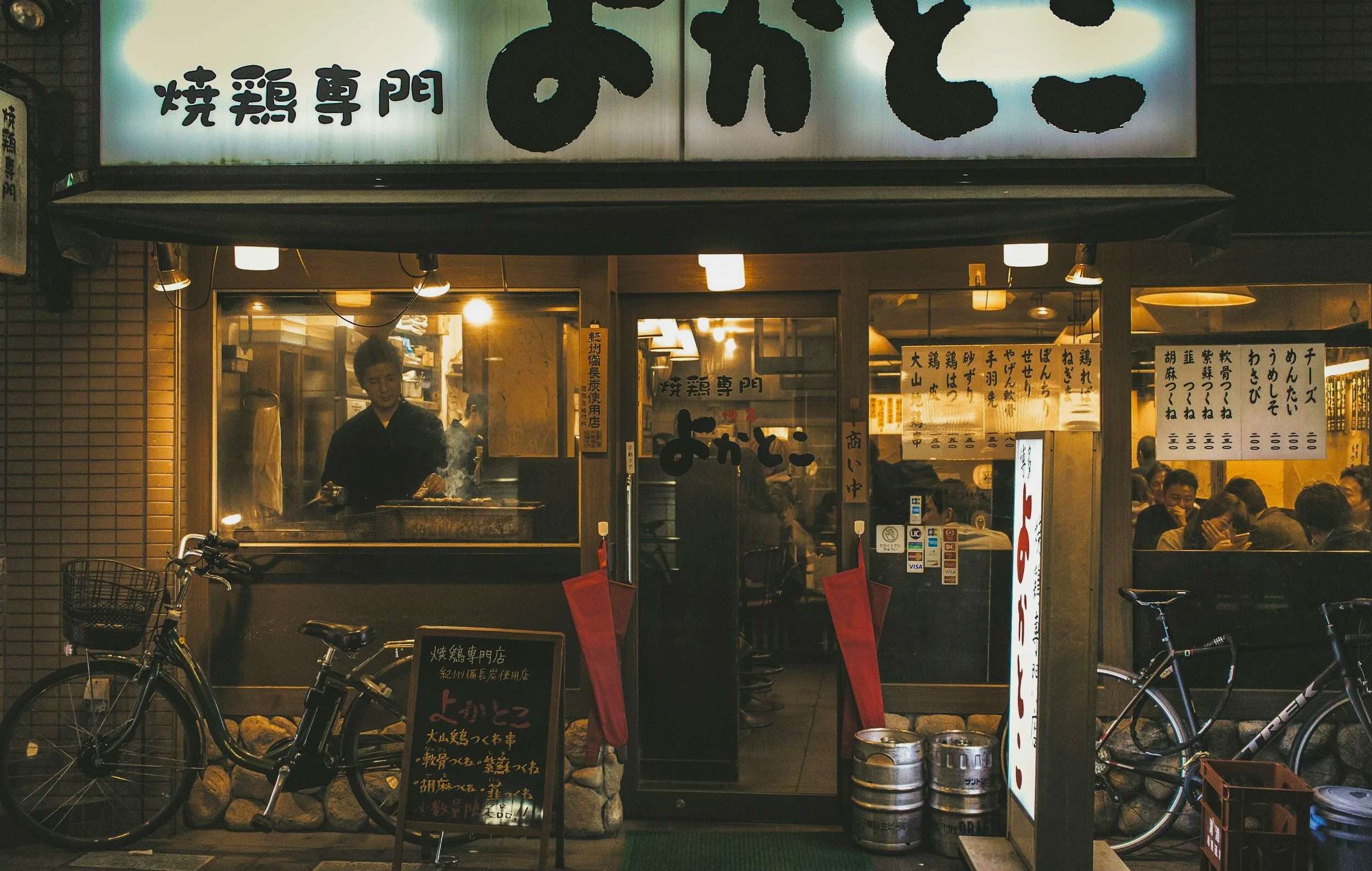
Do you tip in Japan? If you’re visiting for the first time, you might be surprised by the answer: tipping is not part of Japanese culture. Unlike many Western countries, where leaving a tip is standard practice, in Japan, excellent service is already included in the price, and offering extra money can sometimes cause confusion or even embarrassment.
Understanding Japanese tipping customs is essential for travelers to avoid awkward situations, show proper respect, and fully appreciate the unique hospitality culture known as omotenashi. This guide dives deep into tipping in Japan, when it might occasionally occur, and alternative ways to show gratitude during your travels.
Why Tipping Is Not Part of Japanese Culture
In Japan, tipping is not customary because of a deeply rooted cultural philosophy called omotenashi. Omotenashi emphasizes wholehearted hospitality and service without expectation of reward. The idea is that every guest deserves the highest level of service, and this is provided as a standard, not as something extra to earn a tip.
- Service is Included: Prices already account for staff wages, taxes, and hospitality.
- Hospitality as Duty: Providing excellent service is considered a responsibility rather than something to be financially rewarded.
- Confusion or Embarrassment: Offering a tip may leave the recipient unsure how to respond, as it is not culturally typical.
- Respect Over Money: Politeness, attention to detail, and manners are far more valued than monetary gestures.
The result is a service culture where staff take pride in delivering exceptional experiences, no matter the setting — from casual cafés to luxury ryokan. For first-time visitors, it can be refreshing: excellent service is expected, not conditional on extra payment.
When Tipping Might Occasionally Happen
While tipping is generally unnecessary in Japan, there are rare exceptions, usually in high-end or private settings. In these situations, a tip or small gift may be offered, but it must be done discreetly and respectfully.
- Luxury Ryokan or Private Hotel Attendants: Some high-end ryokan (traditional inns) offer the option of giving a small tip in a neatly folded envelope to the staff who assist with luggage or provide personal services.
- Private Tour Guides: If you hire a personal guide for an extended period and receive exceptional service, a discreet tip may be accepted, though it is never obligatory.
- High-End International Experiences: Certain exclusive experiences aimed at foreign tourists may accept tips, usually indicated in advance.
- Formal Gifts Instead of Cash: In formal situations, giving a small token or souvenir from your home country is often preferred to cash.
Even in these circumstances, tipping is optional and should be approached with humility and discretion. Always avoid placing cash directly on the table or handing it casually; presentation matters in Japanese etiquette.
Restaurants and Cafés
Dining Etiquette
In Japan, whether you’re enjoying sushi, ramen, kaiseki, or a casual café meal, tipping is neither expected nor customary. Staff pride themselves on delivering excellent service as part of the experience. Leaving extra money can confuse the staff, as they may feel obligated to return it or may not know how to accept it gracefully.
- Sushi Counters: Master chefs provide precise, attentive service without expecting tips.
- Ramen Shops: Casual eateries consider service part of the price; leaving extra cash may even seem odd.
- Cafés & Bakeries: Small, local shops operate without tipping; paying the exact bill is sufficient.
Alternative Ways to Show Gratitude
Instead of tipping, showing appreciation through manners is preferred:
- Say “Arigatou gozaimasu” (thank you very much) sincerely.
- Maintain polite behavior, wait patiently, and show respect for the space and staff.
- Bring small souvenirs or local treats from your home country if visiting a familiar staff repeatedly.
- Bowing slightly as a gesture of appreciation is always welcome.
Taxis, Transportation, and Daily Life
Taxis
Japanese taxi drivers do not expect tips. Fares are calculated precisely, and rounding up for convenience is optional. For instance, if your fare is ¥1,870, you may round to ¥1,900, but even this is unnecessary.
Public Transport
Trains, buses, and metro services in Japan never require tipping. Staff are professional and courteous as part of their standard service, and fares cover all operational costs.
Hotels and Accommodations
Regular hotel staff, including bellhops and housekeeping, do not expect tips. Exceptional service at luxury properties may occasionally allow discreet tipping, but it is entirely optional.
Japanese Hospitality: The Philosophy of Omotenashi
Omotenashi is central to Japanese service culture. It’s a concept that encompasses:
- Attention to Detail: Every aspect of service is anticipated and provided without the guest needing to ask.
- Politeness and Respect: Staff prioritize the dignity and comfort of guests above personal gain.
- Consistency: Excellent service is delivered uniformly, regardless of the perceived wealth or status of the guest.
- Intuitive Assistance: From offering an umbrella on a rainy day to providing precise directions, staff act proactively.
For travelers, omotenashi makes Japan uniquely welcoming. Service excellence is built into the experience, and no monetary incentive is needed.
Common Misconceptions About Tipping in Japan
Myth 1: Staff Will Appreciate Tips
In reality, many Japanese staff will politely refuse money or feel uncomfortable if you try to tip. It’s not considered rude; it’s simply outside the cultural norm.
Myth 2: Hotels Expect Tips
Most hotels, even high-end ones, include service in the price. Only in rare luxury ryokan situations is discreet tipping acknowledged.
Myth 3: Not Tipping Means Rude Behavior
Failing to leave a tip is never viewed as disrespectful. Respectful behavior, politeness, and gratitude are far more meaningful.
When a Tip or Gift Is Appropriate
If you choose to give a tip or gift, follow these rules:
- Use a small, elegant envelope if offering money.
- Do not hand cash casually or directly in public view.
- Keep amounts modest; it’s a gesture of appreciation, not a payment.
- Gifts from your home country, such as sweets or cultural items, are often more appreciated than cash.
Practical Tips for Visitors
- Learn basic Japanese phrases such as arigatou (thank you) and sumimasen (excuse me).
- Observe local behavior: follow queues, remove shoes where required, and maintain calm, polite conduct.
- Bring small tokens if staying in luxury ryokan or visiting personal guides.
- Keep bills neat and ready when paying; presenting money politely is always valued.
Understanding Cultural Etiquette
The essence of Japanese hospitality lies in mutual respect and mindfulness. Visitors who grasp this cultural philosophy will find their experiences richer and more fulfilling.
- Always greet and thank staff politely.
- Handle items, including money and dishes, with care and attention.
- Respect personal space and temple or sacred site rules.
- Practice quiet and considerate behavior in public spaces.
Travel Scenarios and How to Handle Them
Scenario 1: Dining at a High-End Restaurant
Simply pay the bill at the register or hand it to the server without leaving additional money. Compliment the chef verbally or express thanks for outstanding service.
Scenario 2: Riding a Taxi
Pay the fare exactly. Offering rounded change is optional but unnecessary. Always thank the driver with arigatou gozaimasu.
Scenario 3: Staying at a Ryokan
If you wish, discreetly offer a small tip in an envelope to staff who assist with luggage or personal service. Place it on a tray if provided and bow slightly.
Conclusion: Tipping in Japan Simplified
In Japan, tipping is generally unnecessary and not part of the culture. Excellent service is considered standard, and hospitality is expressed through respect, politeness, and attention to detail rather than monetary rewards. Travelers should focus on manners, gratitude, and small gestures of appreciation, which are far more meaningful than cash. Understanding this cultural nuance allows visitors to fully enjoy Japan’s unique and thoughtful approach to hospitality.