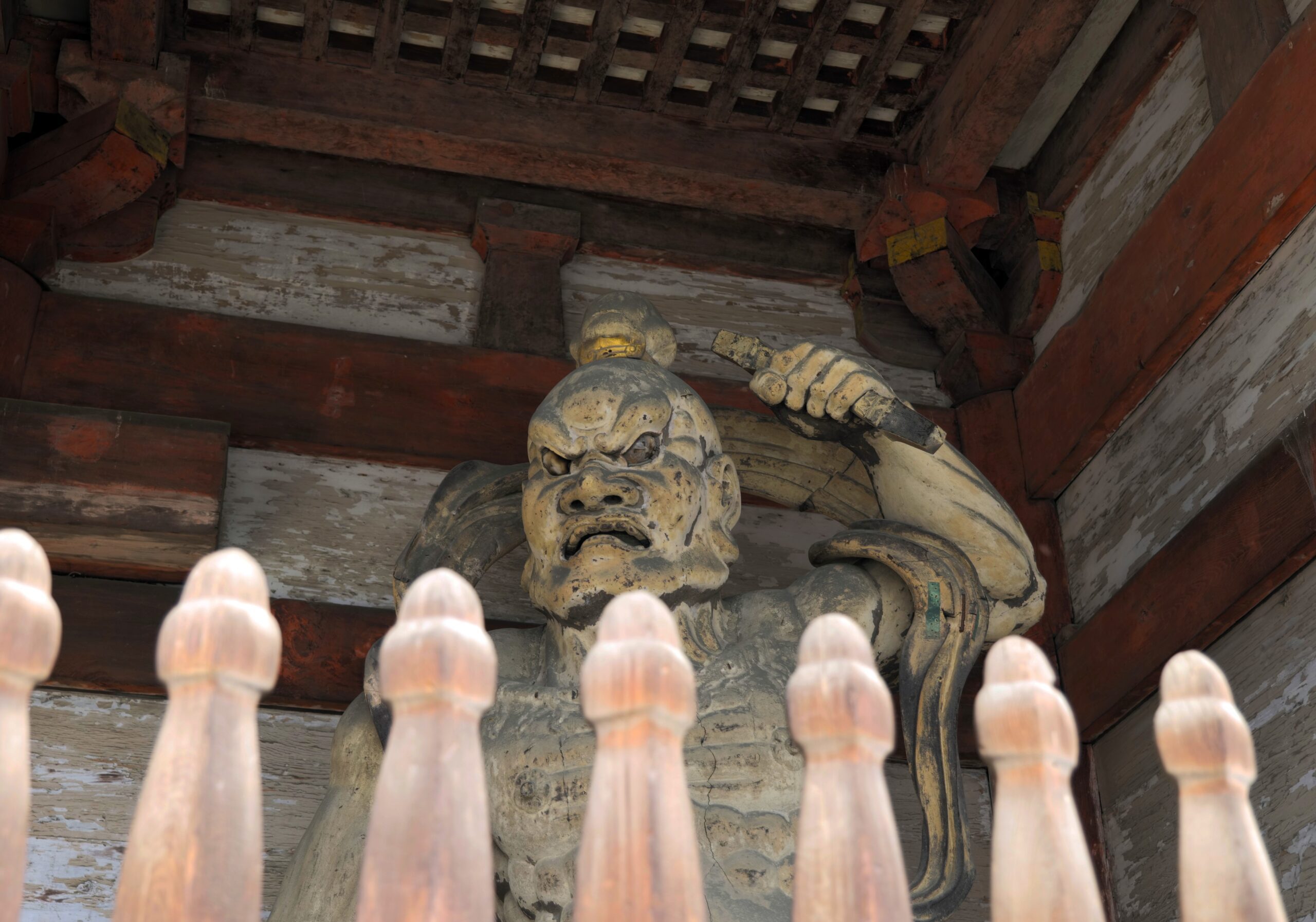
Ninna-ji Temple, often called the “Temple of the Imperial Family,” is a living testament to Kyoto’s centuries-old aristocratic and spiritual heritage. Founded in 888 AD by Emperor Uda, it has served as both a religious center and a cultural hub for the imperial family. Today, Ninna-ji is a UNESCO World Heritage Site, celebrated for its historical architecture, serene gardens, and famously late-blooming Omuro cherry blossoms, which allow visitors to enjoy Kyoto’s sakura season beyond the city’s usual peak.
History of Ninna-ji Temple
Ninna-ji was established under imperial patronage as a center of Buddhist practice for the imperial family, particularly the Omuro lineage of the Shingon sect. The temple flourished as a symbol of spiritual and political influence, combining cultural refinement with religious devotion. Despite destruction from fires over the centuries, restorations have preserved the temple’s original layout and imperial aesthetic, reflecting the elegance of Heian-period Kyoto.
- Founded in 888 AD by Emperor Uda
- Closely tied to Japan’s imperial family
- UNESCO World Heritage Site
- Rebuilt while preserving original architectural design
Temple Buildings and Architectural Highlights
The Ninna-ji complex showcases traditional Japanese temple architecture, with a carefully planned arrangement of buildings, gates, and gardens that reflect balance, symmetry, and serenity.
- Golden Hall (Kondō) — main ceremonial hall housing important Buddhist statues
- Five-story Pagoda — a landmark symbol of Kyoto’s skyline
- Wooden gates, halls, and corridors with traditional carvings
- Gardens designed to harmonize with seasonal changes
The architecture invites visitors to move through spaces thoughtfully, appreciating each gate, hall, and courtyard as an integral part of a meditative journey.
Omuro Cherry Blossoms and Seasonal Beauty
Ninna-ji is world-famous for its Omuro cherry trees, a late-blooming sakura variety that usually flowers in early April, extending Kyoto’s cherry blossom season. The temple’s seasonal landscapes change dramatically throughout the year, offering unique experiences every time.
Spring: Late-Blooming Cherry Blossoms
- Omuro cherry blossoms: delicate pink flowers that bloom after most other Kyoto sakura have faded
- Moss gardens and reflective ponds create serene spring vistas
- Early April: best time to capture both blossoms and temple architecture
- Photography tip: morning light enhances the soft colors of the Omuro cherry petals
Summer: Verdant Serenity
- Lush greenery envelops the temple grounds and gardens
- Shaded paths offer peaceful walking experiences
- Ideal for slow exploration, meditation, or sketching the temple landscapes
Autumn: Golden and Crimson Splendor
- Maple trees turn brilliant shades of red and gold, framing the pagoda and Golden Hall
- Late afternoons provide dramatic lighting for photography
- Combine with nearby Arashiyama or Kyoto gardens for extended autumn exploration
Winter: Silent Contemplation
- Snow-covered roofs and gardens create a quiet, reflective atmosphere
- Fewer visitors allow immersive experiences in solitude
- Local teahouses offer warm matcha and seasonal sweets after a temple stroll
Hidden Gems at Ninna-ji
While many visitors focus on the main halls and cherry trees, Ninna-ji offers smaller, lesser-known attractions that enrich the experience:
- Inner courtyards with tranquil stone arrangements
- Small auxiliary shrines rarely visited by tourists
- Quiet bamboo groves at the rear of the temple grounds
- Seasonal flower beds showcasing camellias and irises outside cherry blossom season
Local Experiences Around Ninna-ji
For travelers seeking deeper cultural immersion, Hōjō teahouses, nearby artisan shops, and guided tours offer meaningful ways to engage with Kyoto’s heritage.
- Traditional tea ceremonies inside temple teahouses
- Calligraphy and incense-making workshops at local studios
- Guided historical tours highlighting imperial connections and Shingon Buddhist practices
- Walking tours linking Ninna-ji with nearby Koryu-ji and Myoshin-ji temples
Practical Information for Visiting
- Access: ~10 minutes by bus from Kyoto Station
- Recommended time: 1–1.5 hours for a full temple visit
- Photography: Outdoors allowed; limited indoors
- Admission: Modest fee supports temple maintenance and preservation
- Nearby amenities: Cafés, traditional sweet shops, and local cultural centers
Extended Kyoto Itinerary Suggestions
Ninna-ji can be part of a larger exploration of Kyoto’s spiritual and cultural heritage:
- Combine with Ryoan-ji and Kinkaku-ji for a full day of Zen garden exploration
- Visit Arashiyama Bamboo Grove and Tenryū-ji for nature immersion
- Evening strolls along the Philosopher’s Path after a morning at Ninna-ji
- Seasonal itineraries: cherry blossom photography in spring, foliage walks in autumn
Why Visit Ninna-ji Temple
Ninna-ji offers a rare combination of imperial history, architectural elegance, and seasonal natural beauty. Its late-blooming cherry blossoms, tranquil gardens, and historic halls provide a contemplative, immersive experience that few other Kyoto sites can match. Visitors leave with a deep sense of calm, understanding, and appreciation for the refined cultural heritage of Japan.
Final Thoughts
Whether you are a history enthusiast, cherry blossom photographer, spiritual seeker, or simply a traveler seeking Kyoto’s quieter, more contemplative corners, Ninna-ji Temple rewards with elegance and serenity. Its late-blooming Omuro cherry blossoms offer a unique window into Kyoto’s spring season, while the centuries-old architecture and moss-covered gardens allow visitors to step into the refined world of Japan’s imperial and spiritual traditions.