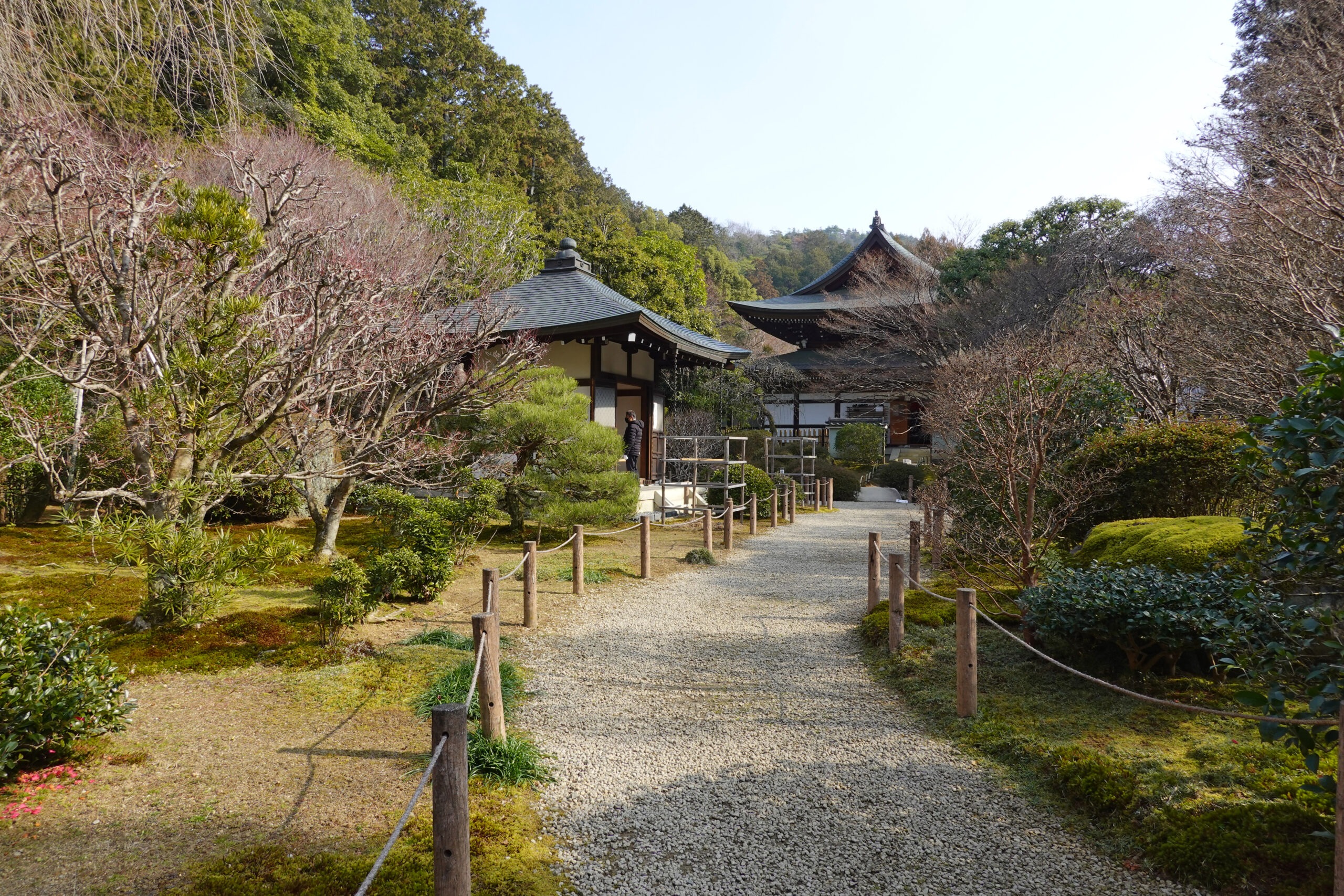
Ryōan-ji Temple, often referred to as the “Temple of the Dragon at Peace,” is Kyoto’s most famous Zen rock garden, celebrated worldwide for its minimalist design and profound sense of stillness. Founded in the 15th century, it is a UNESCO World Heritage Site and a living expression of Zen philosophy, where simplicity, silence, and contemplation converge. Beyond its iconic garden, Ryōan-ji offers walking paths, reflective ponds, and seasonal landscapes that immerse visitors in centuries of Japanese spiritual and aesthetic tradition.
History of Ryōan-ji
Originally built in 1450 as a villa for a powerful aristocratic family, Ryōan-ji was converted into a Zen temple during the Muromachi period. Over the centuries, it survived fires and reconstruction, but its rock garden remained a preserved masterpiece of Zen design. The temple has served as both a spiritual retreat and a cultural landmark, embodying the principles of meditation and simplicity that define Rinzai Zen Buddhism.
- Founded in 1450 as a noble villa
- Converted into a Zen temple later in the 15th century
- UNESCO World Heritage Site
- Preserves the original minimalist rock garden design
The Zen Rock Garden
The centerpiece of Ryōan-ji is its abstract rock garden, a masterpiece of Zen simplicity and philosophical depth. Often studied and photographed, the garden consists of carefully arranged rocks on a bed of white gravel. Its design encourages meditation, reflection, and introspection.
- 15 stones arranged with careful asymmetry
- From any angle, only 14 stones are visible — inviting contemplation on perception and incompleteness
- Symbolizes islands in a sea of gravel, evoking nature in abstraction
- Encourages the observer to engage in silent reflection, a visual koan
The genius of the garden is in what is not shown. Its minimalism allows for infinite interpretation, offering a new experience with each visit.
Temple Grounds & Natural Beauty
Beyond the rock garden, Ryōan-ji provides a rich natural and architectural landscape for visitors to explore:
- Pond Garden: A reflective pond surrounded by moss, trees, and stone paths
- Moss-covered walking trails for contemplative strolls
- Cherry blossoms in spring for a soft, ethereal atmosphere
- Autumn maple leaves creating a fiery tapestry of colors
- Quiet bamboo groves near the rear of the temple grounds
Each season transforms Ryōan-ji, offering a different sensory experience of Zen and nature.
Hidden Gems Around Ryōan-ji
While most visitors focus on the rock garden, there are several lesser-known elements that enrich the Ryōan-ji experience:
- Small, hidden tea houses tucked behind mossy walls
- Subtle stone arrangements along peripheral paths
- Secluded garden corners perfect for quiet meditation
- Rare seasonal flowers such as irises and camellias along the outer garden paths
Local Experiences Near Ryōan-ji
For travelers seeking deeper immersion into Kyoto culture, the area around Ryōan-ji offers meaningful experiences:
- Traditional tea ceremonies at nearby teahouses
- Guided meditation sessions led by local monks
- Walking tours linking Ryōan-ji with nearby Kinkaku-ji, Daitoku-ji, and other northern Kyoto temples
- Workshops on Zen arts, including calligraphy and rock garden philosophy
Seasonal Highlights and Itineraries
Ryōan-ji’s experience changes dramatically with the seasons. Planning your visit around these seasonal highlights allows for a deeply immersive trip:
Spring: Cherry Blossoms
- White gravel and pink cherry blossoms create a stunning contrast
- Peak bloom: early April
- Early morning visits recommended for calm, crowd-free photography
Summer: Lush Greenery
- Moss gardens and tree canopies are at their most vibrant
- Paths shaded by mature trees offer reflective walking experiences
- Ideal time for meditative exploration or sketching
Autumn: Maple Foliage
- Fiery red, orange, and yellow leaves frame the rock garden and pond
- Late afternoons produce dramatic lighting for photography
- Combine with a visit to Kinkaku-ji or Daitoku-ji for a full-day autumn tour
Winter: Quiet Contemplation
- Snow dusting on rocks and moss offers rare peaceful beauty
- Fewer visitors provide a meditative, solitary experience
- Local tea houses nearby serve warm matcha and seasonal sweets
Visiting Ryōan-ji
- Best season: Spring & Autumn
- Time needed: 1–1.5 hours
- Photography: Outdoors allowed, restricted inside the rock garden viewing area
- Access: ~15 minutes by bus or taxi from Kyoto Station
- Admission: Modest entry fee supports temple preservation
Extended Kyoto Temple Itinerary
Ryōan-ji is ideal as part of a larger northern Kyoto temple route. Suggested itinerary:
- Morning: Ryōan-ji rock garden and pond exploration
- Midday: Walk to nearby Kinkaku-ji (Golden Pavilion)
- Lunch: Traditional vegetarian shojin ryori at local eateries
- Afternoon: Daitoku-ji temples for quiet Zen meditation
- Optional evening: Philosopher’s Path stroll for sunset views
Why Visit Ryōan-ji
Ryōan-ji is more than a temple; it is an immersive experience in Zen philosophy, aesthetics, and mindfulness. The garden’s abstract design challenges visitors to slow down, observe deeply, and reflect internally. Its surrounding moss gardens, ponds, and seasonal changes complete a journey that is both spiritual and artistic.
Final Thoughts
Whether you are an architecture enthusiast, a spiritual seeker, or a photographer, Ryōan-ji offers a timeless meditation on simplicity and perception. The rock garden, moss-covered paths, and reflective pond create a sanctuary within Kyoto’s bustling northern district. Each visit reveals subtle nuances — an ever-changing experience of stillness, balance, and profound calm that embodies the true essence of Zen.