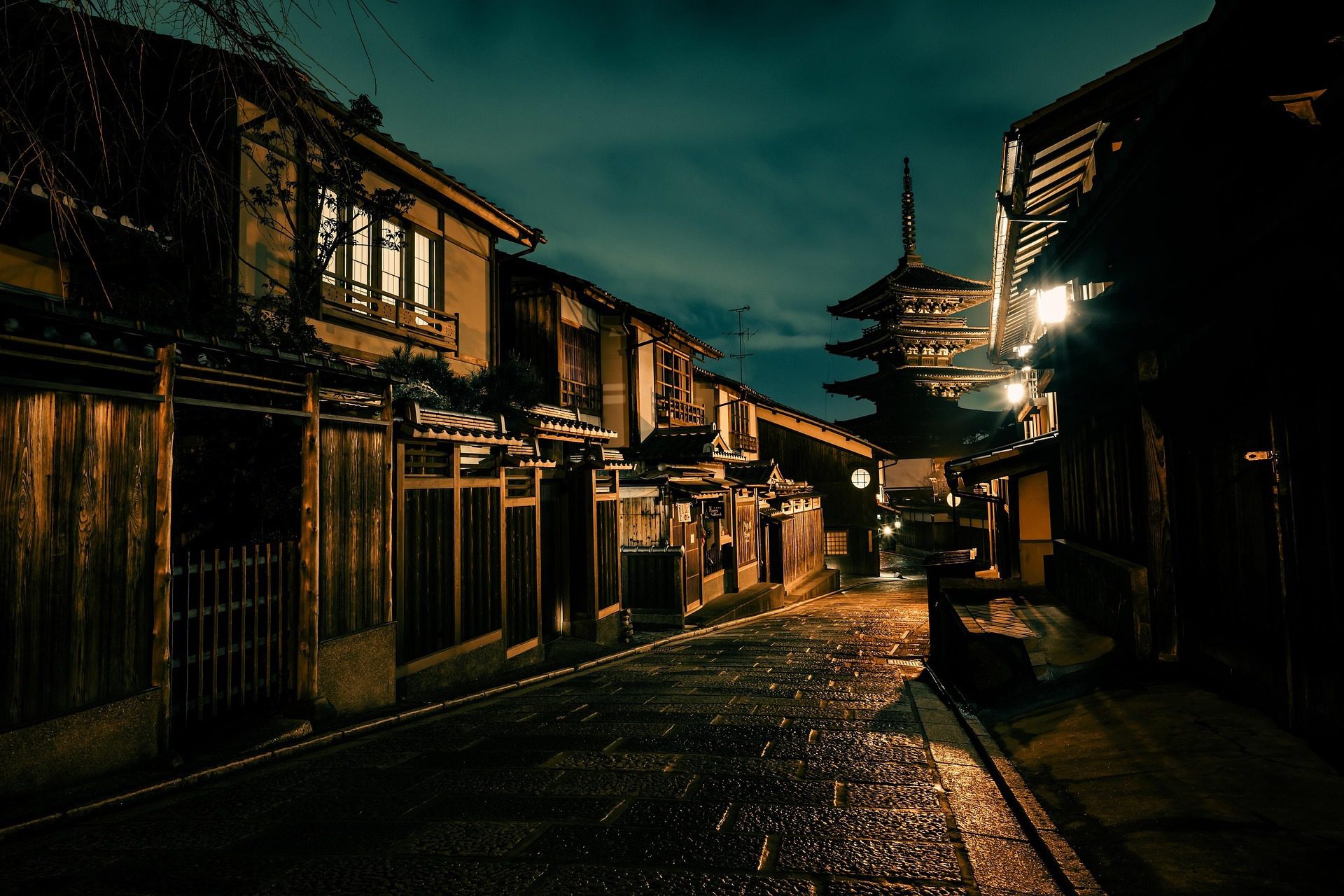
Tō-ji Temple, known as the “East Temple,” is one of Kyoto’s most historically significant Buddhist sites and a defining symbol of the city’s spiritual identity. Founded in 796 AD, shortly after Kyoto became Japan’s capital, Tō-ji has stood as a guardian of faith, culture, and architectural mastery for over a millennium. Today, it is recognized as a UNESCO World Heritage Site and is home to Japan’s tallest wooden pagoda, a breathtaking structure that dominates the Kyoto skyline and embodies the harmony of tradition, spirituality, and craftsmanship.
History of Tō-ji Temple
Tō-ji was established shortly after Kyoto became the nation’s capital, serving as a guardian temple and a center for esoteric Shingon Buddhist teachings. Its history reflects the resilience and dedication of Japan’s Buddhist community over centuries of change, including fires, earthquakes, and political upheavals. Despite these challenges, Tō-ji has preserved its spiritual essence, cultural significance, and architectural legacy.
- Founded in 796 AD shortly after Kyoto became the capital
- Designated UNESCO World Heritage Site as part of Kyoto’s Historic Monuments
- Central hub of Shingon Buddhism
- Survived centuries of reconstruction and natural disasters
The Five-Story Pagoda: Japan’s Tallest Wooden Tower
The most iconic feature of Tō-ji Temple is its five-story pagoda, which rises 57 meters above the city and remains the tallest wooden tower in Japan. Originally constructed in 826 AD, the current structure dates back to the Edo period (1644) and has become an enduring symbol of Kyoto’s skyline and spiritual heritage. It houses sacred Buddhist relics and serves as a monument of both faith and architectural brilliance.
- Height: 57 meters — tallest wooden pagoda in Japan
- Houses sacred Buddhist relics
- Photogenic silhouette against Kyoto’s mountains and cityscape
- Represents spiritual protection and harmony
Temple Grounds and Surrounding Beauty
Beyond the pagoda, Tō-ji Temple’s grounds include serene gardens, historic halls, and pathways that provide a contemplative escape within the city. Visitors can immerse themselves in the seasonal beauty of the temple while exploring lesser-known spots and appreciating centuries of architectural artistry.
- Cherry blossoms and soft pink scenery in spring
- Vivid autumn maple leaves reflecting in ponds
- Historic wooden gates and temple halls showcasing traditional craftsmanship
- Quiet walking paths and moss-covered stone lanterns for reflection
Hidden Gems Around Tō-ji
Kobo Daishi Statue Garden
A small, often overlooked garden near the temple’s main hall featuring statues of Kobo Daishi, the founder of Shingon Buddhism. Early morning visits allow for peaceful meditation without the usual tourist crowds.
Tō-ji Flea Market (Kōbō-san Market)
Held monthly on the 21st, this market offers antiques, local crafts, snacks, and unique souvenirs. A perfect way to experience Kyoto’s culture beyond the temple walls while supporting local artisans.
Shingon Meditation Experiences
Some local centers near Tō-ji offer hands-on meditation sessions and chanting workshops. Participating in these provides insight into esoteric Buddhist practices and a deeper connection to the temple’s spiritual heritage.
Seasonal Itineraries for Tō-ji
Spring: Blossoms and Early Morning Tranquility
- March–April: Cherry blossoms frame the pagoda and temple grounds
- Private guided walks in early morning for serene photography opportunities
- Combine with a river walk along Kamo River for full seasonal immersion
Summer: Meditation and Lush Gardens
- June–August: Explore shaded temple paths and moss gardens at cooler times of the day
- Participate in guided meditation workshops offered nearby
- Enjoy evening illumination events highlighting architectural details
Autumn: Maple Leaves and Cultural Depth
- October–November: Vivid red and gold foliage enhances the temple’s aesthetic
- Attend local cultural demonstrations such as Buddhist sutra calligraphy
- Photography tours for reflections of the pagoda in ponds framed by maple leaves
Winter: Quiet Reflection and Snow-Covered Temples
- December–February: Minimal crowds allow for introspection and meditation
- Snow on the pagoda roof and gardens creates a striking visual experience
- Warm up at nearby cafés offering matcha tea and seasonal wagashi
Local Experiences and Culinary Highlights
The area surrounding Tō-ji Temple offers a variety of experiences that allow travelers to enjoy Kyoto’s culture beyond sightseeing:
- Matcha and wagashi tasting in nearby tea houses
- Street vendors at Kōbō-san Market selling traditional snacks
- Walking tours exploring historic wooden merchant streets and hidden shrines
- Private cultural workshops in calligraphy, incense making, and Buddhist rituals
Practical Information for Visiting Tō-ji
- Access: 10-minute walk from Kyoto Station
- Opening Hours: 8:30 AM – 5:30 PM (hours vary seasonally)
- Admission: ¥500–¥1,000 depending on garden access and special exhibitions
- Photography: Allowed outdoors, indoor halls restricted
- Nearby Attractions: Kyoto Station shopping, Arashiyama (short train ride), Kiyomizu-dera (for extended itineraries)
Why Tō-ji Temple Is a Must-Visit
Tō-ji Temple is more than a historical monument — it is a living testament to Kyoto’s spiritual, cultural, and architectural identity. Its towering pagoda, serene gardens, and centuries-old halls offer visitors a glimpse into Japan’s esoteric Buddhist traditions. Whether you are a history enthusiast, photographer, spiritual seeker, or traveler seeking cultural immersion, Tō-ji provides an unforgettable experience that bridges past and present.
Extended Itinerary Ideas
For those looking to expand their visit:
- Combine Tō-ji with a morning trip to Fushimi Inari Taisha to explore Kyoto’s iconic torii gates
- Visit Kyoto National Museum to contextualize Buddhist artifacts and temple history
- Take an evening stroll along the Kamo River with traditional lanterns reflecting in the water
- Explore the Shingon meditation sessions and workshops offered nearby for immersive spiritual experiences
Final Thoughts
Visiting Tō-ji Temple is a journey into Kyoto’s spiritual heart, architectural ingenuity, and cultural heritage. Its pagoda towers as a beacon of faith and history, while its gardens and hidden corners invite contemplation and mindfulness. Every step through the temple grounds tells a story of resilience, artistry, and devotion, making it a must-see destination for travelers who wish to experience the depth and elegance of Kyoto beyond the tourist façade.