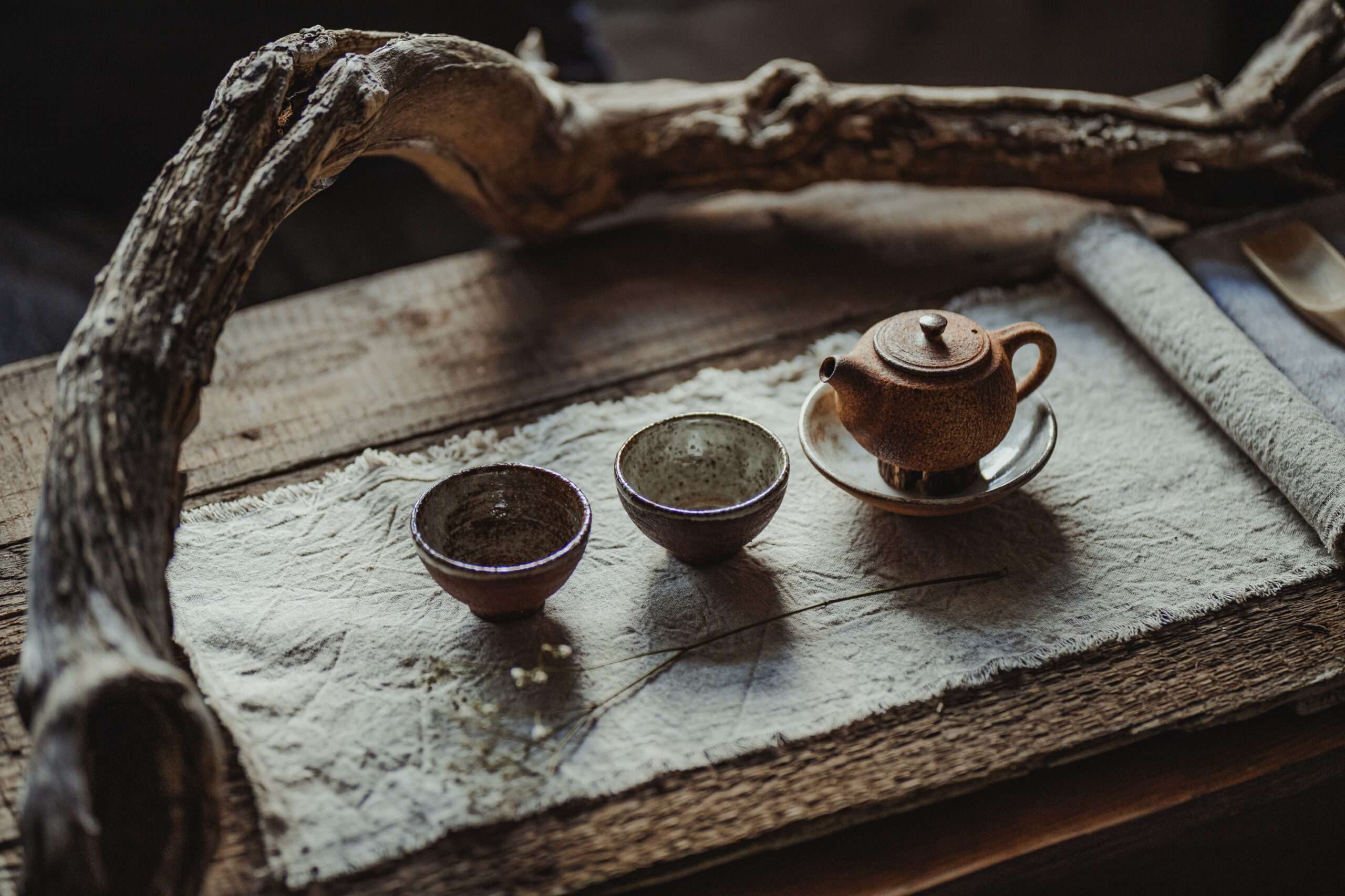
Japan is experiencing a cultural shift in 2026—less about chasing fast trends and more about curated experiences, aesthetics, and slow living. From Tokyo’s cafés and izakayas to countryside retreats, visitors are gravitating toward spaces that emphasize intention, atmosphere, and quality over quantity.
Neo-Retro Cafés and Slow Coffee Culture
Across Tokyo, a new wave of cafés is redefining how people enjoy coffee. These neo-retro kissaten blend Showa-era nostalgia with modern design, emphasizing leisure and mindful enjoyment over speed and efficiency.
- Warm, vintage interiors with wood furniture and soft lighting
- Music from vinyl records, soft jazz, or acoustic live performances
- Book-lined walls and quiet nooks for reading or reflection
- Slow, hand-brewed coffee served with attention to detail
Historically, kissaten emerged in Japan during the 1920s–30s as urban coffee houses influenced by European cafés. Unlike modern chain cafés, these spaces were designed for lingering conversations and cultural exchange. Today’s neo-retro revival taps into that heritage, providing a slow-paced refuge amid Tokyo’s bustling districts such as Jimbocho, Kagurazaka, and Kichijoji.
Practical Tip: Look for cafés with “hand drip” or pour-over coffee on the menu. These often indicate a focus on quality and ritual rather than speed.
Elevated Izakayas and Modern Nightlife
Japan’s nightlife scene is also evolving. Traditional izakayas, long known for lively crowds and inexpensive drinks, are being reimagined into intimate, design-focused venues. These modern izakayas prioritize seasonal cuisine, craft cocktails, and ambiance.
A brief history: izakayas date back to the Edo period (1603–1868) as small sake shops where patrons could sit and sample drinks with snacks. Over centuries, they became social hubs, particularly in urban areas like Shinjuku, Shibuya, and Ebisu.
- Redesigned interiors with minimalist or industrial-chic aesthetics
- Seasonal Japanese cuisine with occasional global influence
- High-end sake, shochu, and craft cocktail selections
- Smaller, reservation-based spaces for privacy and comfort
Recent statistics show that Tokyo alone now has over 60% of its izakayas operating as boutique or upscale concepts, reflecting the growing demand for “slow nightlife” experiences that value conversation and culinary craft over high-volume drinking.
Visitor Tip: Reservations are recommended for boutique izakayas, especially on weekends. Many venues also offer tasting menus or paired drinks for a curated experience.
Slow Luxury Travel Experience
Tourism in Japan is shifting away from packed sightseeing itineraries toward a slower, more immersive approach. Visitors are seeking quality experiences, cultural depth, and tranquility.
- Boutique ryokan stays in Kyoto, Hakone, or Karuizawa
- Small-group guided cultural tours focusing on crafts, tea ceremonies, or calligraphy
- Exploration of rural destinations like Nara, Kanazawa, Tohoku, and the Kii Peninsula
- Private food, sake, and tea experiences with local hosts
According to recent surveys, travelers spending more on immersive experiences report higher satisfaction than those visiting multiple attractions in a single day. This validates Japan’s growing trend of slow luxury travel: it’s not about quantity, but meaningful, memorable encounters.
Café + Work Hybrid Culture
With remote work normalized, hybrid cafés designed for both work and leisure have become increasingly popular. These spaces combine comfort, design, and reliable technology to create environments conducive to productivity without sacrificing atmosphere.
- Quiet working areas with power outlets and ergonomic seating
- High-speed Wi-Fi as standard
- Artisanal coffee and light snacks
- Minimalist yet cozy interiors
Examples include Shibuya’s “The Local” and Nakameguro’s “Onibus Café,” where patrons can work for hours while enjoying slow-brew coffee and soft background music. This trend reflects a broader cultural shift toward flexibility, work-life balance, and intentional urban living.
Quiet Luxury in Fashion and Design
Tokyo fashion is embracing quiet luxury—understated, high-quality materials, and neutral palettes dominate the streets. While Harajuku remains a hub of expression, districts like Aoyama, Omotesando, and Ginza show a preference for minimalist sophistication.
- Neutral color palettes and earth tones
- Oversized, structured silhouettes
- Focus on high-quality fabrics rather than logos
- Subtle, thoughtful accessory choices
This trend aligns with Japan’s broader lifestyle movement: simplicity, slow consumption, and timeless elegance are increasingly valued over fast fashion and flashy branding.
Tokyo Nightlife Beyond the Clubs
While Roppongi and Shibuya remain iconic nightlife hubs, there’s a growing emphasis on curated, intimate experiences. Cocktail bars, jazz lounges, and craft sake taverns are rising in popularity, offering spaces where conversation, music, and ambience are prioritized.
Example: Maduro Cocktail Bar & Jazz Lounge in Roppongi blends live jazz, artisanal cocktails, and plush seating. The focus is on a slow-paced evening rather than crowded nightlife.
Practical Tip: For couples or small groups, consider booking early. Many upscale bars and lounges have limited seating to maintain exclusivity and atmosphere.
Why Japan Feels Different in 2026
Across cafés, fashion, nightlife, and travel, Japan is embracing slower, more intentional living. Visitors now prioritize:
- Atmosphere and aesthetics over speed and convenience
- Experiences that offer cultural insight and immersion
- Private or small-group settings that encourage connection
- Quality moments rather than quantity of destinations
As one travel writer noted: “Japan in 2026 is less about seeing everything and more about feeling everything. It’s a country that rewards mindfulness, curiosity, and patience.”
Visitor Tips for Experiencing Japan’s Trends
- Book boutique ryokan early: Small, luxury inns fill quickly, especially in Kyoto and Hakone.
- Explore slow cafés: Plan time to linger and enjoy hand-brewed coffee or tea in traditional spaces.
- Prioritize intimate nightlife: Seek out jazz lounges, craft cocktail bars, or modern izakayas for richer experiences