
Nihon Ryoko · Active Japan
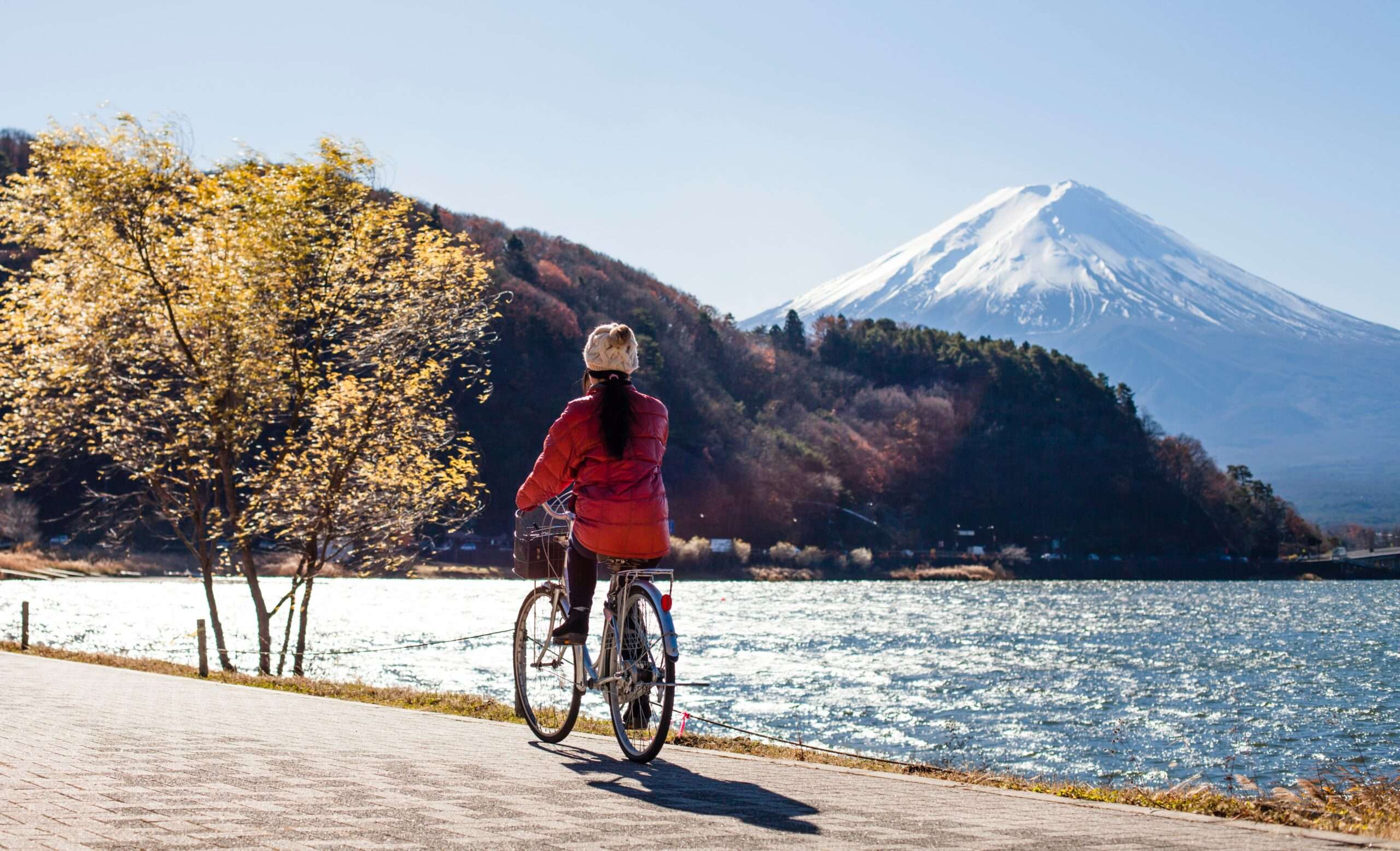
Cycling offers a different way to experience Japan. Instead of watching the scenery pass from a train window, you can follow coastal roads, cross spectacular bridges, stop at small cafés and discover places that deserve more than a quick photograph. Whether you want a relaxed island adventure, a lakeside ride or a challenging long-distance journey, Japan offers routes for a wide range of interests and abilities.
A More Personal Way to Discover the Country
Japan's varied landscapes make it rewarding to explore by bicycle. You can ride beside the sea, follow the shoreline of a lake, travel through rural communities or combine cycling with visits to temples, gardens, markets and local restaurants.
The experience is not limited to serious athletes. Some routes are suitable for relaxed day rides, while others are better approached as multi-day journeys. Rental bicycles, electric-assist bikes and luggage services may be available in selected destinations, although facilities vary by location.
The key is to match your route to your ability, the time available and the kind of experience you want. A shorter scenic ride can be just as memorable as a demanding cross-country challenge.
Shimanami Kaido — Island-Hopping Across the Seto Inland Sea
Hiroshima Prefecture to Ehime Prefecture
Japan's Iconic Sea-and-Bridge Cycling Route
The Shimanami Kaido connects Onomichi on Honshu with Imabari on Shikoku, crossing a chain of islands in the Seto Inland Sea. Its bridges, sea views and island communities make it one of Japan's best-known cycling journeys.
Along the way, riders can enjoy citrus groves, seaside settlements, local food and cultural stops. Ikuchijima is known for Kosanji Temple, while Omishima offers a chance to visit Oyamazumi Shrine. The journey can be completed in a day by a fit rider, but taking longer allows more time for the islands themselves.
The route is not just for experienced cyclists. You can ride a shorter section, use rental services where available or arrange an overnight stay along the way. Check the route, bicycle return arrangements and your chosen rental provider before setting out.
For official route information, visit Japan National Tourism Organization's Shimanami Kaido guide.
Biwaichi — Cycling Around Lake Biwa
Shiga Prefecture · Kansai
A Journey Around Japan's Largest Lake
Biwaichi is the name commonly used for cycling around Lake Biwa. The route combines waterside views with towns, countryside and cultural attractions in Shiga Prefecture. It offers a very different experience from the bridge crossings of the Shimanami Kaido.
Depending on your chosen route and pace, you can stop to explore lakeside communities, enjoy local food and visit cultural sites. Riders can also choose a shorter section rather than completing the full circuit.
Although parts of the journey are relatively gentle, the complete loop is a substantial ride. Plan your daily distances carefully and check road conditions, accommodation and bicycle support before starting.
Tsukuba–Kasumigaura Ring-Ring Road
Ibaraki Prefecture · Kanto
Open Landscapes Within Reach of Tokyo
The Tsukuba–Kasumigaura Ring-Ring Road combines former railway corridor sections with cycling around Lake Kasumigaura. The wider area offers open landscapes, lakeside scenery and views towards Mount Tsukuba.
Its location in Ibaraki makes it a possible option for travellers looking to explore beyond central Tokyo. Rather than attempting the full distance in one day, you can select a section based on your available time and cycling experience.
The route also provides opportunities to explore local food and nearby cultural attractions. Check the route map carefully before departing, particularly if you plan to connect different sections or return to your starting point by train.
For background on Japan's established cycling routes, see the official Japan National Tourism Organization cycling guide.
The Pacific Cycling Road
Pacific Coast · Multiple Prefectures
A Longer Journey Along Japan's Eastern and Southern Shores
For riders interested in a major endurance journey, the Pacific Cycling Road follows a long coastal corridor through several prefectures. The wider route links varied landscapes, urban areas, fishing communities and coastal scenery.
This is a more ambitious undertaking than a casual day ride. Distances, road conditions and elevation vary, so careful planning is essential. Many visitors will prefer to ride a selected section rather than attempt the full route.
If you want to include views of Mount Fuji, research the particular section and viewpoints that suit your dates and direction of travel. Visibility depends on weather and conditions.
Kyoto by Bicycle — Tea Country, Rivers and Rural Lanes
Cycling around Kyoto can reveal a quieter side of the region beyond its busiest temple districts. The wider prefecture includes rural landscapes, tea-growing areas, coastal scenery and routes through forested countryside.
In southern Kyoto Prefecture, routes associated with the region's tea culture offer an opportunity to combine a ride with tea-related sights and local stops. Other areas of the prefecture provide routes through villages, woodland and coastal landscapes.
Within Kyoto City, cycling can be a practical way to connect selected neighbourhoods, but busy streets and pedestrian areas require care. Use appropriate routes, follow local signs and dismount where requested.
Explore route ideas through the official Kyoto cycling information website.
Which Japanese Cycling Experience Is Right for You?
- For a first cycling holiday: consider a manageable section of the Shimanami Kaido, where you can enjoy island scenery without committing to the entire route.
- For a multi-day challenge: look at Biwaichi or selected longer-distance routes, allowing time for accommodation and recovery.
- For a trip from Tokyo: research the Tsukuba–Kasumigaura area and choose a section that suits your available time.
- For coastal endurance riding: investigate the Pacific Cycling Road and plan around your ability and experience.
- For culture and countryside: explore Kyoto Prefecture's routes, including areas associated with tea production and rural heritage.
What to Know Before Cycling in Japan
Choose a bicycle that suits the route
Road bikes may suit longer-distance riding, while hybrid bicycles or electric-assist bikes can make shorter scenic journeys more comfortable. Check the rental terms, sizing, equipment and whether one-way drop-off is available at your intended destination.
Plan your daily distance realistically
A route's total distance does not tell the whole story. Bridges, hills, weather, stops for food and sightseeing all affect how long the ride takes. Leave enough time to finish safely before dark.
Understand local road rules
In Japan, traffic drives on the left. Cyclists must follow applicable traffic laws and signage, remain alert around vehicles and pedestrians, and use appropriate routes. Cycling on pavements is not universally permitted in every situation, so pay attention to local signs and rules.
Prepare for weather and changing conditions
Conditions can change quickly, especially on exposed bridges and coastal roads. Bring suitable clothing, water, sun protection and basic repair essentials. In hot weather, plan breaks and avoid overestimating your endurance.
Think about luggage and accommodation
For multi-day rides, consider travelling light and confirming whether your accommodation can store bicycles securely. Luggage forwarding may be useful in some areas, but availability and arrangements vary. Book overnight stops ahead of time when travelling during busy periods.
Check train and bicycle arrangements
If you plan to travel with a bicycle by train, check the operator's current requirements. Some services require a bicycle to be placed in a suitable bag, and policies can differ by service and bicycle type. Never assume you can board with an uncovered bicycle.
When Is the Best Time to Cycle in Japan?
Spring
Spring can bring comfortable riding conditions and seasonal scenery. Cherry blossoms are a bonus in some areas, but timing varies by region and year. Popular destinations may be busy, so reserve accommodation in advance.
Summer
Summer offers long daylight hours but can bring intense heat, humidity and sudden rain. Start early, carry enough water and consider shorter routes or regions with more comfortable conditions.
Autumn
Autumn can be an excellent season for countryside and lakeside rides, with changing foliage in many regions. The timing of autumn colours varies, so check local forecasts and seasonal information before travelling.
Winter
Winter cycling depends heavily on the region. Coastal and milder areas may remain accessible, while mountain routes can experience snow, ice or closures. Check local conditions and avoid routes beyond your experience or equipment.
Cycling in Japan: FAQs
Is Japan good for cycling holidays?
Yes. Japan offers established cycling routes, scenic countryside, coastal journeys and lakeside loops. The best option depends on your fitness, preferred scenery, travel dates and the time available.
Can beginners ride the Shimanami Kaido?
Many beginners can enjoy a shorter section or approach the route at a relaxed pace, but the full journey requires planning and sufficient stamina. Consider an overnight stay, a suitable rental bike and a distance that matches your experience.
How long does the Shimanami Kaido take?
Some experienced cyclists complete the approximately 70 km route in a day. A more leisurely ride with stops can take considerably longer, and spreading it over two or more days allows time to enjoy the islands.
Can I rent a bicycle in Japan?
Bicycle rentals are available in many popular cycling destinations. Availability, bicycle types, sizing, return locations and reservation requirements differ, so check the local rental service before travel.
Do I need to be an experienced cyclist?
Not for every route. Some destinations offer short, relatively relaxed rides, while others are better suited to experienced riders. Choose a route based on distance, terrain, weather and your own comfort on a bicycle.
Can I combine cycling with cultural sightseeing?
Absolutely. Routes can connect you with local food, temples, shrines, museums, craft traditions and small towns. Plan your stops and daily distance so you have time to enjoy them.
See Japan at Your Own Pace
Cycling opens up a more personal way to experience Japan, whether you are crossing the bridges of the Seto Inland Sea, following Lake Biwa's shoreline or exploring quieter rural roads. You do not need to be an endurance athlete to enjoy the country by bike.
Choose a route that matches your interests, plan your distances realistically and leave time for the unexpected stops that make a journey memorable.
YOUR NEXT ADVENTURE
Discover Japan Beyond the Usual Route
From island-hopping adventures to peaceful lakeside rides, explore a different side of Japan with a journey shaped around scenery, culture and the freedom to travel at your own pace.
Nihon Ryoko — thoughtful journeys through Japan.
