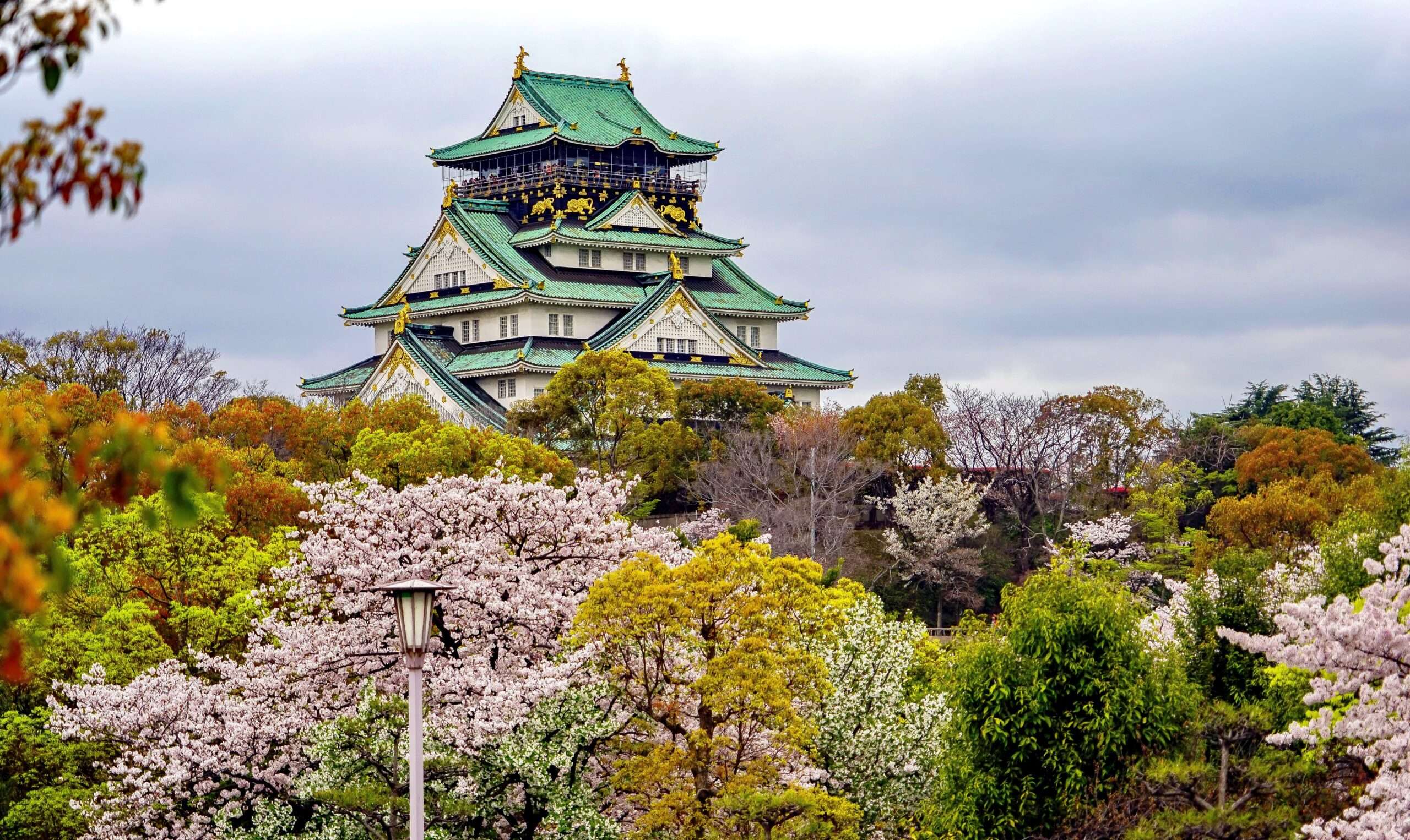
Japan is a country that transforms completely throughout the year. Each season offers a distinct atmosphere — from the delicate cherry blossoms of spring to quiet, snow-covered towns in winter. Choosing when to visit is less about finding a universally “perfect” time and more about matching the season to the type of experience you want, whether it’s vibrant city life, peaceful nature, or traditional cultural events.
How Seasons Shape the Experience
Japan’s geography stretches from snowy northern regions such as Hokkaido to subtropical islands in Okinawa, creating dramatic seasonal contrasts. These variations influence travel conditions, scenery, cultural festivals, and the type of activities possible in each season. Rather than a single ideal period, Japan offers four distinct travel experiences across the year.
Spring: Renewal and Cherry Blossoms
Spring is one of the most iconic times to visit Japan. From March to early April, cherry blossoms (sakura) bloom across cities, parks, and temples, creating a brief but unforgettable season of colour and celebration. Spring brings soft temperatures and a comfortable climate, making outdoor activities pleasant.
- Soft temperatures and comfortable weather
- Cherry blossoms (sakura) in full bloom
- Outdoor picnics and seasonal festivals (hanami)
- High demand for accommodation and transport
During this period, parks and streets are filled with locals and tourists alike enjoying hanami (flower viewing), street food, and seasonal events. While spring is visually stunning, travellers should book well in advance due to peak demand for hotels and transportation.
Summer: Energy, Festivals, and Heat
Summer in Japan is intense in both temperature and atmosphere. From June to August, humidity rises, but this is also the season of vibrant festivals (matsuri), fireworks displays (hanabi), and mountain trekking. Summer offers a unique glimpse into local traditions and outdoor cultural activities.
- Traditional festivals (matsuri) across cities and towns
- Fireworks displays during warm evenings
- Hiking in mountainous regions like the Japanese Alps
- Beach destinations in southern Japan and Okinawa
Summer can be hot and humid, but it’s an ideal time for travellers who enjoy cultural energy, bustling streets, and active outdoor experiences. Be prepared for rain during the rainy season (tsuyu) in June and early July.
Autumn: Balance and Natural Beauty
Autumn is often considered the most balanced season to visit Japan. From late September to November, temperatures are mild, skies are clearer, and landscapes transform into deep shades of red, orange, and gold (koyo). This season offers both visual beauty and comfortable travel conditions.
- Comfortable weather across most regions
- Autumn foliage (koyo) in temples, gardens, and mountains
- Fewer crowds compared to spring
- Ideal photography conditions
Autumn is perfect for travellers seeking natural beauty and vibrant landscapes without the intensity of peak tourist crowds. Popular spots for autumn foliage include Kyoto’s temples, Nikko’s mountains, and the Japanese Alps.
Winter: Quiet Landscapes and Hot Springs
Winter, from December to February, reveals a quieter and more reflective side of Japan. Northern regions such as Hokkaido receive heavy snowfall, perfect for skiing and snow sports, while central and southern cities remain crisp and calm. Winter offers peaceful landscapes and unique seasonal experiences.
- Snow-covered towns, mountains, and landscapes
- Relaxing hot spring (onsen) experiences in cold weather
- World-class ski resorts in Hokkaido, Nagano, and Niigata
- Fewer international tourists outside New Year holidays
Winter is ideal for those seeking quiet atmospheres, winter sports, or traditional ryokan stays with hot springs. While temperatures are colder, fewer crowds make it an appealing season for budget-conscious or reflective travel experiences.
When to Avoid Travelling
Japan has several periods of heavy domestic travel and high international demand. These times can result in crowded trains, high accommodation costs, and limited availability. Common periods to avoid include:
- Late April to early May (Golden Week holiday period)
- Mid-August (Obon holiday season)
- Early January (New Year travel period)
During these times, booking hotels, trains, and popular attractions well in advance is essential, and some travellers may prefer to plan around these peaks for a smoother experience.
Choosing the Right Season for You
Rather than focusing on a single “best” time, it helps to select the season based on your travel style and priorities:
- First-time visitors: Spring or autumn for balanced weather, scenic beauty, and iconic experiences
- Cultural immersion: Summer for festivals, matsuri, and lively local streets
- Nature and photography: Autumn for foliage, or winter for snow landscapes and photography opportunities
- Budget travel: Winter outside holiday periods, when accommodation and flights are generally cheaper
By matching the season to your desired experiences, you can enjoy Japan on your terms, whether you prefer vibrant social energy, serene natural landscapes, or cultural immersion.
Extra Tips for Seasonal Travel
To make the most of your chosen season, consider these practical tips:
- Check local festival schedules for seasonal events that enhance your visit
- Bring appropriate clothing for the climate — layers for spring and autumn, rain gear for summer, and warm coats for winter
- Use seasonal transport passes for sightseeing, such as JR regional passes or bus passes
- Reserve accommodations early during peak seasons like cherry blossom or autumn foliage periods
- Plan indoor alternatives for rainy or extreme weather days
Final Thoughts
Japan is not a destination with a single perfect season — it is a country that changes identity throughout the year. Each season offers unique landscapes, cultural experiences, and rhythms of life. Whether you travel in the vibrant spring, energetic summer, colourful autumn, or serene winter, your journey will offer a different perspective on the country.
The best time to visit Japan is ultimately the season that aligns with the experiences you seek, whether that is quiet reflection, cultural immersion, outdoor adventure, or scenic beauty. By understanding how the seasons shape travel conditions and local life, visitors can plan a trip that is both comfortable and unforgettable.