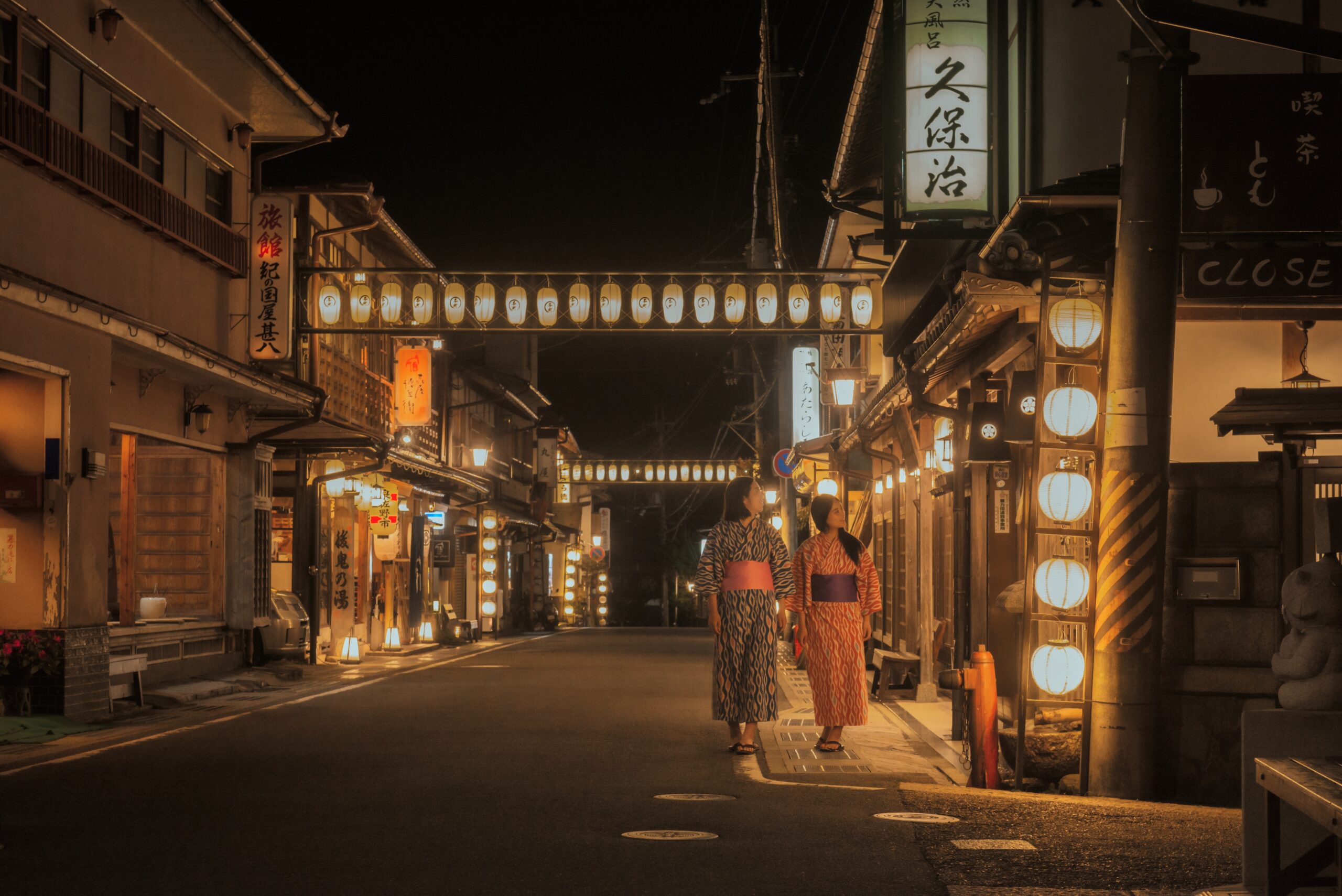
Japanese culture is often described as refined, respectful, and deeply connected to everyday behaviour. Beyond surface-level customs lies a subtle rhythm — one shaped by awareness of others, attention to detail, and an appreciation for harmony in daily life. Understanding these nuances enriches travel experiences and helps visitors navigate Japan with confidence and respect.
A Culture Built on Subtlety and Respect
Japanese culture is guided less by rigid rules and more by shared awareness. Much of daily life is unspoken — people learn by observing others and adjusting their behaviour naturally to fit the environment. This approach creates a travel experience that feels calm, orderly, and quietly structured, even in the busiest cities.
Everyday Etiquette in Public Spaces
Public behaviour in Japan reflects consideration for others. While these habits are not legally enforced, they are widely observed and contribute to the sense of order and harmony:
- Speaking softly in trains, shops, and public areas
- Forming orderly queues without pushing or rushing
- Keeping public spaces clean and avoiding littering
- Being mindful of personal space, especially in crowded environments
These small gestures help maintain a calm and respectful atmosphere, which is one of the most noticeable aspects of Japanese daily life for visitors.
Communication and Social Interaction
In Japan, communication often relies on politeness, subtle expression, and context rather than direct statements. Understanding these patterns can make interactions smoother and more enjoyable.
Greetings and Language
Even minimal Japanese phrases, such as polite greetings or “thank you” (arigatou gozaimasu), are appreciated and often elicit warm responses. Effort and awareness are valued more than fluency.
Non-Verbal Communication
Gestures, tone, and body language are as important as spoken words. Common examples include:
- A slight bow to show respect or thanks
- Polite nods to acknowledge conversations
- Using quiet gestures to avoid drawing attention
Non-verbal cues are particularly important in professional, ceremonial, or traditional settings, where overt expression is less common.
Home, Tradition, and Sacred Spaces
Many Japanese customs emphasize cleanliness, respect, and mindfulness in shared or sacred spaces. Key practices include:
- Removing shoes before entering homes, certain restaurants, or temples
- Maintaining quiet and respectful presence in temples, shrines, and gardens
- Following rituals and customs that honor shared or sacred environments
These habits reflect a deep cultural value placed on preserving space, harmony, and respect for others.
Food Culture and Dining Etiquette
Food in Japan is about more than taste — it emphasizes presentation, timing, and appreciation for seasonal ingredients. Dining etiquette is subtle and varies depending on the setting:
- Tipping is not customary; polite thanks is sufficient
- Meals often highlight seasonal ingredients and aesthetics
- Convenience stores offer high-quality everyday food for practical and quick options
- Restaurants may have specific ordering systems or formalities that vary by location
Observing local dining customs enhances both the culinary experience and social interaction.
The Rhythm of Daily Life
Daily life in Japan follows a rhythm of punctuality, structure, and reliability. Transport systems run on time, shops operate efficiently, and public spaces are designed for smooth flow. This extends to social behaviour, where consistency, awareness, and consideration help maintain balance in shared spaces.
Common Misunderstandings for Visitors
Even well-intentioned visitors can misinterpret cultural norms. Common misunderstandings include:
- Expecting casual Western-style interactions in all situations
- Overlooking quiet social expectations in public spaces
- Assuming tipping is necessary in restaurants or taxis
- Misreading silence or restraint as discomfort, rather than respect
Recognizing these subtle cultural cues prevents awkward situations and deepens appreciation for local customs.
Additional Insights into Everyday Japanese Life
Beyond etiquette, Japanese daily life reflects broader cultural principles:
- Attention to detail: People notice small things, from cleanliness to presentation, and this informs expectations in both private and public life.
- Mindfulness and awareness: Social harmony is prioritized over individual assertion, which fosters peaceful shared spaces.
- Efficiency and reliability: Punctuality, well-structured services, and clear systems are fundamental to urban life, transport, and professional environments.
- Seasonal awareness: Daily life often reflects seasonal changes, from food choices to festival participation.
Engaging with these patterns allows visitors to experience Japan as locals do, noticing beauty in subtleties and flow rather than grand gestures.
Final Thoughts
Japanese culture is best understood through observation, awareness, and participation in everyday life. Once you begin to notice the subtle patterns of behaviour, daily life becomes easier to navigate and far more rewarding. This is not a list of instructions, but a way of moving through the world — with respect, quiet consideration, and harmony with those around you.
By embracing these principles, visitors can experience Japan not only as tourists but as participants in its rich and structured daily rhythm, gaining deeper insight into a culture that values subtlety, order, and shared respect.