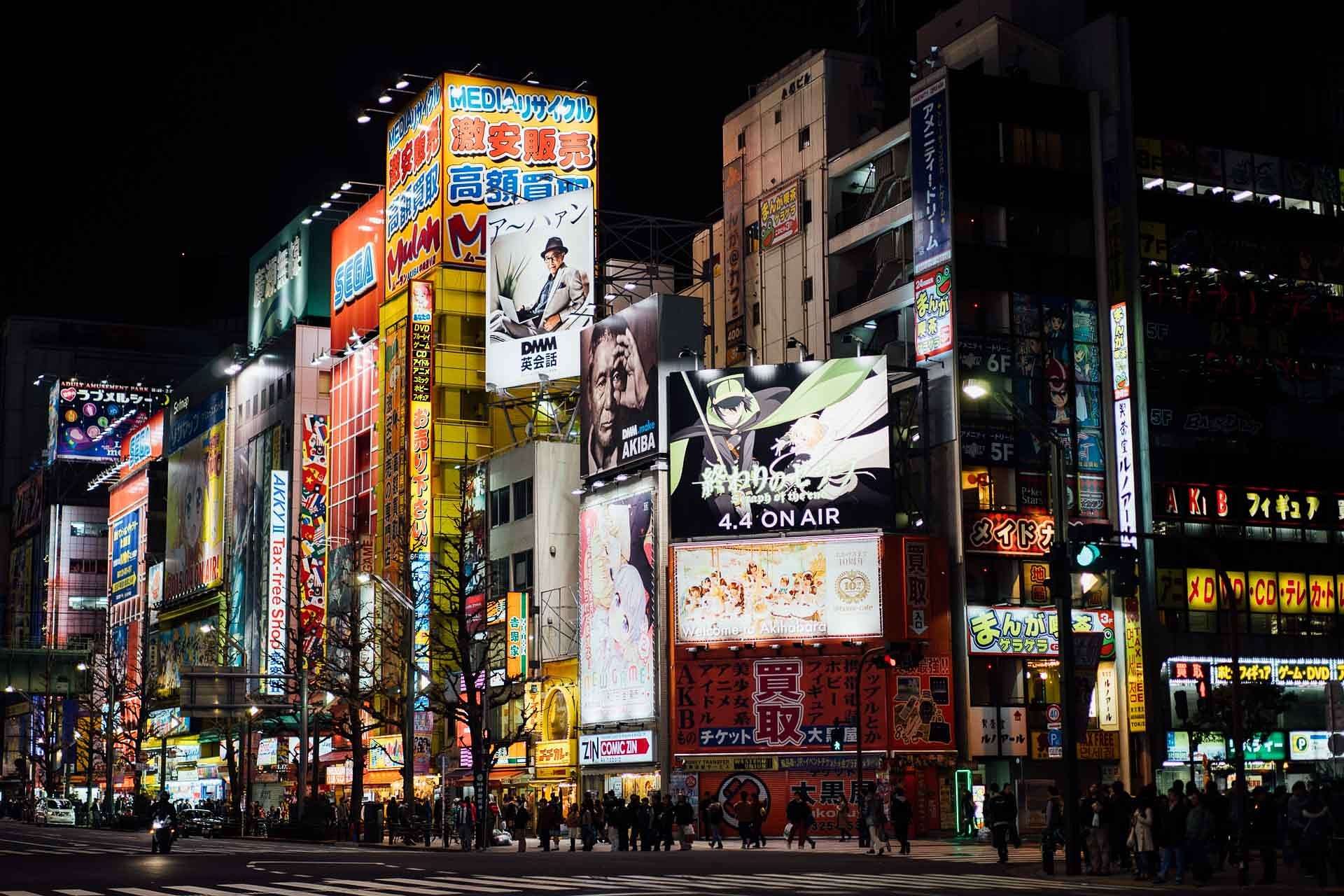
Tokyo may look overwhelming at first glance, but beneath its scale lies one of the most efficient transport systems in the world. Once you understand the basic flow of trains, subways, and key travel tools, moving through the city becomes surprisingly simple and intuitive. For visitors, mastering Tokyo’s transport is less about memorising every line and more about understanding the logic behind its organisation.
A City Built on Rail
Tokyo is designed around its rail network. Rather than relying on cars, most daily movement happens through trains and subways that connect every major district. This creates a city that is fast, organised, and highly accessible even for first-time visitors.
Once you understand a few core systems, navigating Tokyo becomes part of the experience rather than a challenge. Rail in Tokyo isn’t just about transportation—it’s a window into how the city functions, its rhythm, and its careful planning.
Trains: The Backbone of the City
The train network is the most reliable and widely used way to move across Tokyo. Stations are clearly marked, routes are frequent, and services run with remarkable punctuality.
- Connects all major districts and suburbs
- Runs frequently throughout the day
- Clear English signage in most stations
- Highly punctual and well organised
For longer cross-city travel, trains are usually the most efficient option. Major operators like JR East (Japan Railways) run both local and rapid services, allowing travellers to reach distant districts quickly. For tourists, understanding the JR Yamanote Line—a circular line connecting central hubs—is especially useful as it touches many key destinations.
Subways: Easy City Navigation
The subway system is ideal for short-distance travel within central Tokyo. Despite its size, it is well structured and easy to understand once you get used to colour-coded lines and station numbers.
- Best for moving between central neighbourhoods
- Colour-coded lines for easier navigation
- Frequent departures throughout the day
- Clear station maps and multilingual signage
While subways cover many destinations JR trains may not reach, using both in combination allows for maximum efficiency. Stations can be large and crowded, so knowing your exit in advance can save time, particularly at major hubs like Shinjuku or Tokyo Station.
IC Cards: The Key to Easy Travel
One of the simplest ways to travel in Tokyo is by using a rechargeable IC card, such as Suica or Pasmo. These cards allow you to tap in and out of trains and subways without buying individual tickets for every journey.
- Works across trains, subways, and buses
- Removes the need to buy separate tickets
- Can be topped up at stations and convenience stores
- Widely accepted across Japan
For most travellers, this becomes the default and most convenient way to move around the city. IC cards also make paying for small purchases in convenience stores, vending machines, and even some restaurants seamless, reducing the need to carry cash constantly.
Understanding the Layout of the City
Tokyo is structured around key hubs such as Shibuya, Shinjuku, Tokyo Station, and Ueno. These areas act as central connection points where multiple train and subway lines intersect.
Once you understand these hubs, navigating between districts becomes much easier and more predictable. Each hub has unique characteristics:
- Shibuya: Known for its busy crossing and youth culture, ideal for shopping and nightlife.
- Shinjuku: A massive station complex, hub for trains, subways, and long-distance travel, plus vibrant entertainment districts.
- Tokyo Station: The central gateway for Shinkansen bullet trains connecting Tokyo to other regions.
- Ueno: Cultural and historical hub with parks, museums, and convenient rail connections.
When Taxis and Alternatives Make Sense
While trains and subways handle most travel efficiently, there are situations where other options are useful.
- Taxis: Useful late at night, for short distances, or when carrying heavy luggage.
- Buses: Can reach areas not covered by rail, including suburban or more remote neighbourhoods.
- Walking: Often practical for central districts; many areas are pedestrian-friendly.
However, for most travellers, rail remains the fastest and most efficient option. Taxis are comparatively expensive, and traffic congestion can delay journeys during peak hours. Understanding when and why to use alternative transport can save time and money.
Common Mistakes to Avoid
Even with Tokyo’s logical system, newcomers can make simple errors. Some common pitfalls include:
- Overcomplicating routes instead of using direct lines
- Ignoring IC cards and relying on single tickets
- Underestimating walking distances inside large stations
- Travelling during peak rush hour without planning
By being aware of these potential mistakes, travellers can make the city feel more manageable and reduce stress.
Practical Tips for Smooth Navigation
Beyond understanding trains, subways, and IC cards, a few extra tips can make travel even easier:
- Download navigation apps like Google Maps or HyperDia for train schedules.
- Check train platform signs carefully; express trains may skip smaller stations.
- Look for station exit numbers in advance to save time.
- Keep a portable battery pack, as smartphones are essential for navigation.
- Observe local etiquette, such as queuing in lines and keeping phone conversations brief.
Final Thoughts
Tokyo’s transport system is not something to fear or overthink. It is a structured, logical network that becomes easier with every journey. Once you understand the basics, the city opens up naturally and efficiently.
Rather than a challenge, getting around Tokyo becomes part of the experience — smooth, predictable, and surprisingly simple. With IC cards, well-marked stations, and a combination of trains and subways, even first-time visitors can move confidently throughout this vast metropolis. Walking between nearby stations or hopping on the subway can become enjoyable rather than stressful, allowing travellers to soak in the city’s energy and culture along the way.
By understanding Tokyo’s transport fundamentals, visitors gain more than just mobility—they gain insight into how the city works, its flow, and how Tokyoites live their daily lives. Master the system, and the city feels like an open, accessible playground ready to explore.