Japanese Values and Beliefs: The Spirit of Harmony
In this article, we explore the essence of Japanese values and beliefs, which are deeply rooted in centuries of tradition and community spirit.
From childhood, Japanese people learn the importance of being considerate and not inconveniencing others, fostering a lifelong awareness of how one’s actions affect those around them.
This shared sense of mindfulness gives rise to a society where politeness, patience, and subtle communication are highly valued.
Rather than expressing thoughts bluntly, many Japanese people prefer indirect communication — a soft-spoken balance of words, gestures, and intuition known as
kuuki o yomu (“reading the air”). While Japan has embraced modernity and global influences, its quiet restraint and collective harmony still intrigue and inspire visitors worldwide.
The Meaning of “Wa”
At the heart of Japan’s social and spiritual life lies the concept of “Wa” (和) — the principle of harmony.
Wa is not simply the absence of conflict; it represents a dynamic state of respect, recognition, and cooperation among people and between people and nature.
The earliest Japanese constitution, written in 604 AD by Prince Shōtoku, opens with the line:
“Wa o motte tōtoshi to nasu” (和を以て貴しと為す) — “Cherish harmony above all else.”
This ancient teaching, influenced by Confucian philosophy, remains at the foundation of Japanese ethics today.
It encourages balance and understanding in all relationships, from family life to workplace culture, guiding people toward peaceful coexistence.
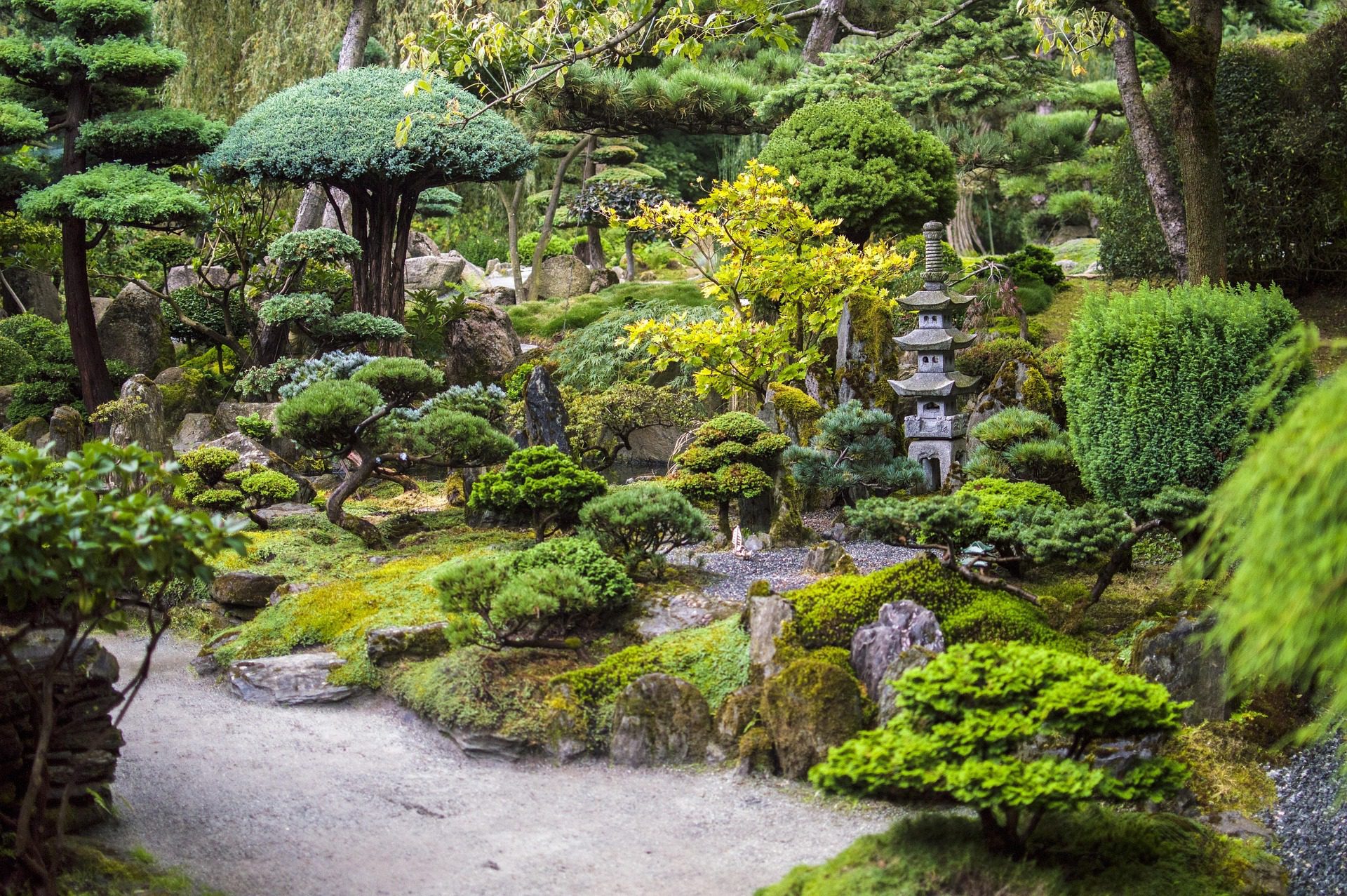
Shakkei: Harmony in Design
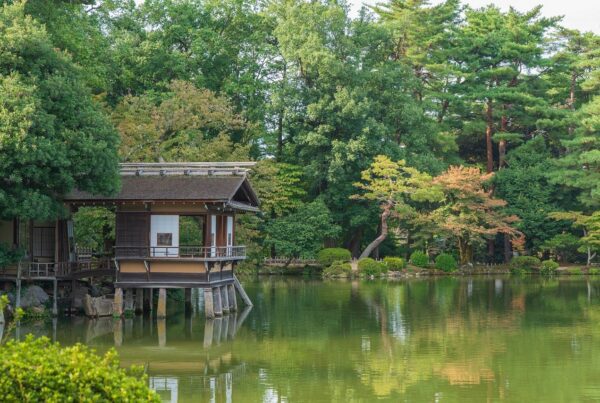
A striking expression of Wa can be found in shakkei (借景), or “borrowed scenery” — a traditional Japanese garden technique that blends designed spaces with the surrounding landscape.
Distant mountains, trees, or temple roofs become part of the garden’s composition, blurring the boundary between the manmade and the natural.
This practice symbolizes a world where contrasting elements merge into a single, balanced whole.
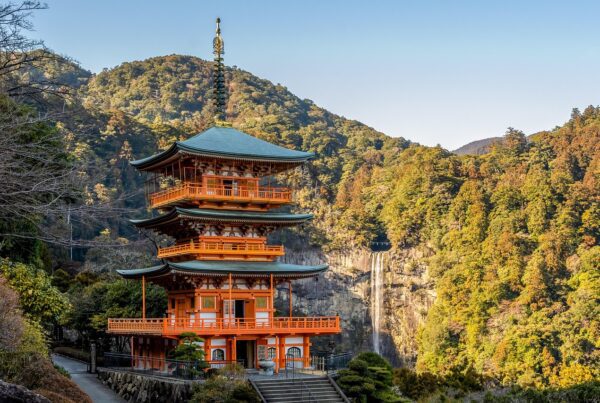
Beyond gardens, the same principle is woven into Japanese life — in architecture that harmonizes with its environment, in the rhythm of festivals that celebrate the changing seasons,
and in the quiet courtesy that governs daily interactions. Harmony is not just a concept but a lived experience that continues to shape Japan’s identity in a rapidly changing world.