Japan’s Best Attractions and Must-See Landmarks
From majestic Mount Fuji to Kyoto’s timeless temples, explore the icons that define the beauty, culture, and spirit of Japan.
Introduction
In a country as ancient, scenically diverse, and culturally rich as Japan, discovering all of its highlights could take a lifetime. Yet, there are certain iconic attractions that every traveler should see at least once. From the snow-capped peak of Mount Fuji to the tranquil gardens of Kyoto and the moving memorials of Hiroshima, Japan’s best attractions perfectly blend nature, history, and innovation.
Once you’ve visited these essential landmarks, the real adventure begins — discovering the lesser-known gems and regional treasures that make Japan endlessly fascinating.
Japan’s Most Iconic Attractions
Mount Fuji – Japan’s Sacred Mountain
Standing proudly at 3,776 meters, Mount Fuji is Japan’s most recognizable symbol. This UNESCO World Heritage Site can be admired from afar — especially from Lake Kawaguchi or Hakone — or climbed by the adventurous during the summer season. Watching the sunrise from the summit, known as Goraiko, is an unforgettable experience.
Cherry Blossom Season – A Nation in Bloom
Every spring, Japan transforms into a pastel wonderland as cherry blossoms bloom from late March to early April. Known as hanami (flower viewing), this tradition brings locals and visitors together under blooming sakura trees. Top spots include Ueno Park in Tokyo, Maruyama Park in Kyoto, and Hirosaki Castle in Aomori.
Kinkaku-ji Temple – The Golden Pavilion of Kyoto
One of Kyoto’s most famous landmarks, Kinkaku-ji (The Golden Pavilion) dazzles with its gold-leaf-covered exterior reflected beautifully in a surrounding pond. It represents the elegance of Muromachi-period architecture and is a must-visit for anyone exploring Japan’s cultural heart.
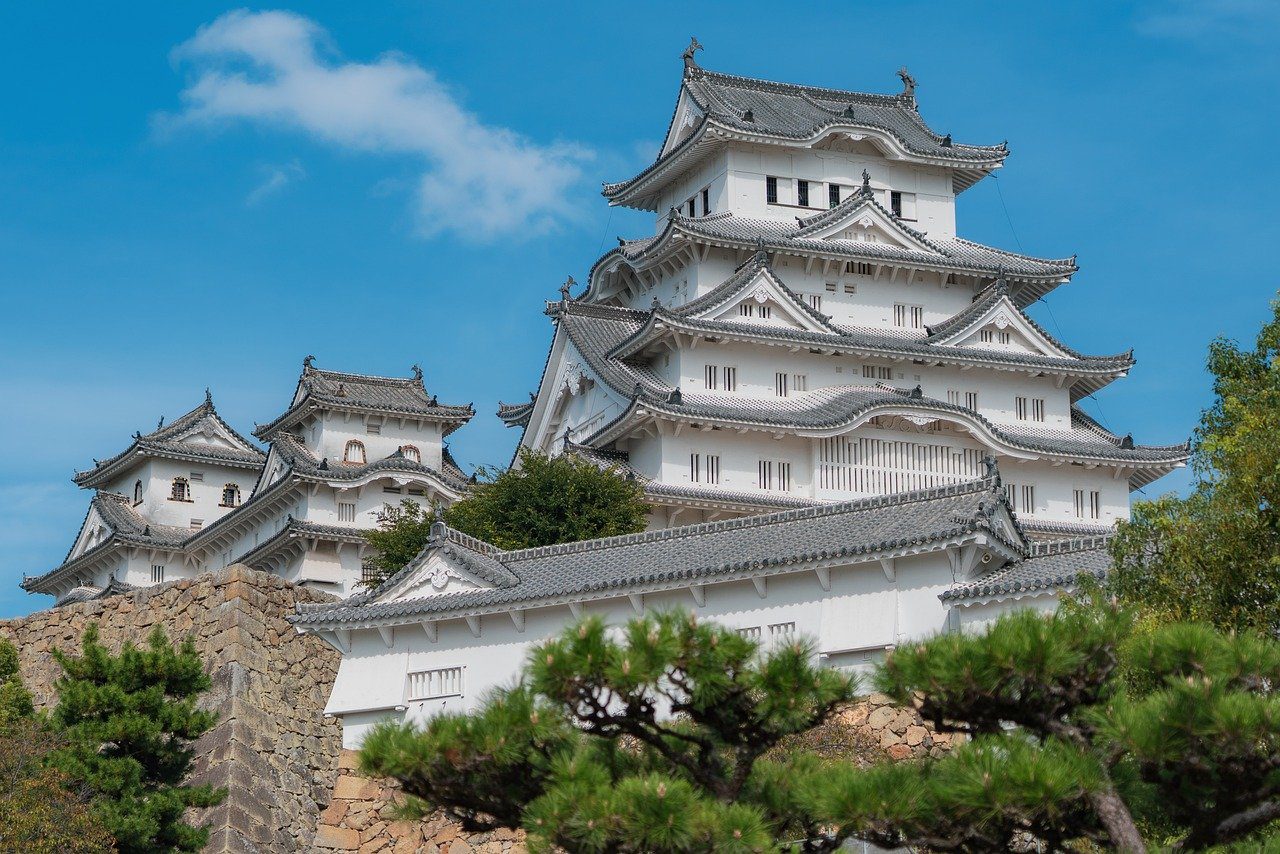
Himeji Castle – Japan’s Finest Feudal Fortress
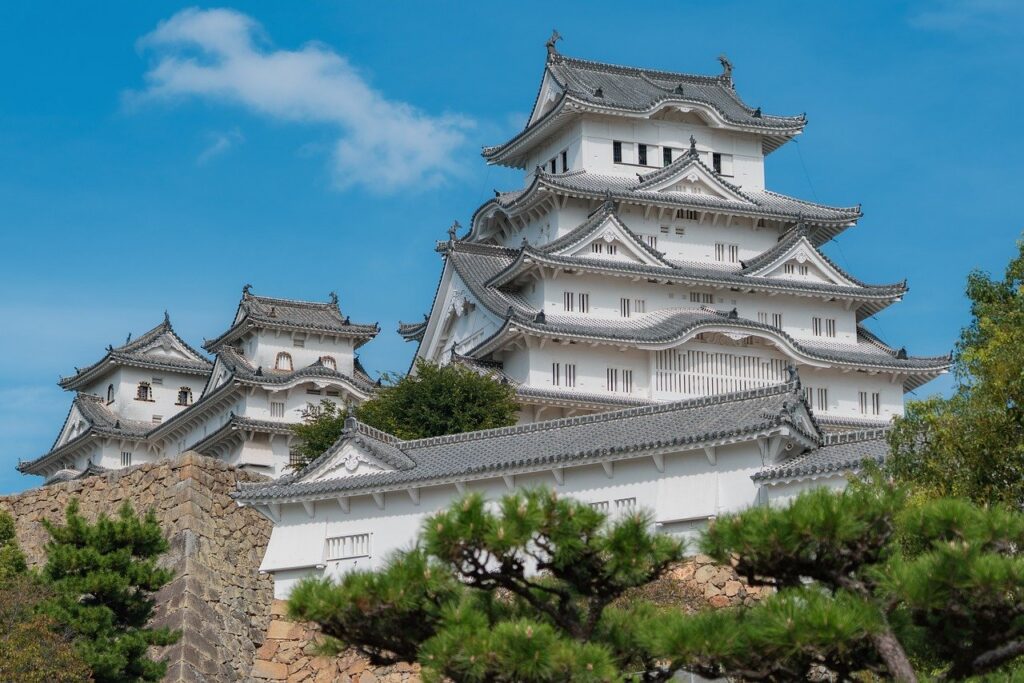
Known as the “White Heron Castle” for its brilliant white walls, Himeji Castle is Japan’s most stunning and best-preserved samurai fortress. A UNESCO World Heritage Site, it stands as a powerful reminder of Japan’s feudal past and offers panoramic views from its hilltop perch.
Ryoan-ji Temple – The Essence of Zen
Located in Kyoto, Ryoan-ji Temple is home to Japan’s most famous rock garden — a masterpiece of simplicity and symbolism. The arrangement of 15 stones on a bed of white gravel invites quiet reflection and has inspired artists and philosophers for centuries.
Hiroshima Peace Memorial Park – A Message of Hope
Hiroshima Peace Park stands as a poignant tribute to the lives lost during World War II and a symbol of peace and resilience. Visit the Peace Memorial Museum and the iconic Atomic Bomb Dome to gain a deeper understanding of Japan’s modern history and its message of harmony.
Osaka Castle – The Pride of Kansai
Osaka Castle is one of Japan’s most beloved landmarks, surrounded by lush gardens and cherry trees. Once a symbol of unification under Toyotomi Hideyoshi, today it houses a museum and observation deck offering stunning views of Osaka’s skyline.
Matsushima Bay – Natural Beauty and Coastal Serenity
Considered one of Japan’s “Three Great Views,” Matsushima Bay features over 200 pine-covered islets scattered across tranquil waters. Take a scenic cruise or enjoy fresh seafood while admiring this breathtaking landscape in Miyagi Prefecture.
Koyasan – The Sacred Mountain of Buddhism
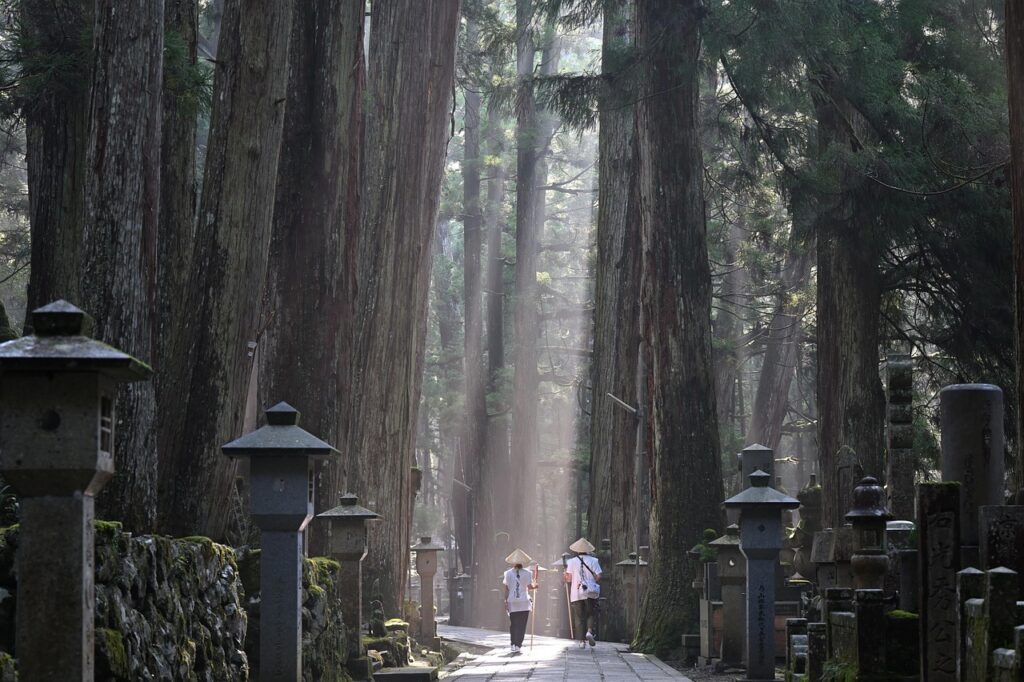
Koya-san is a spiritual haven in the mountains of Wakayama Prefecture. As the center of Shingon Buddhism, it offers temple lodging experiences, morning prayers, and the hauntingly beautiful Okunoin Cemetery illuminated by lanterns.
Beppu Hot Springs – Japan’s Onsen Capital
Located on Kyushu Island, Beppu is Japan’s most famous hot spring town, home to over 2,000 geothermal springs. Visit the “Hells of Beppu” — a collection of dramatic, colorful hot pools — or relax in a soothing outdoor onsen overlooking the ocean.
Fukuoka – Gateway to Kyushu
Fukuoka blends urban energy with coastal charm. Renowned for its street food stalls known as yatai, this lively city also serves as the perfect base to explore southern Japan’s natural beauty and cultural heritage.
Kumamoto Castle – Strength and Beauty Combined
Kumamoto Castle is one of Japan’s most impressive reconstructed castles, symbolizing the power and artistry of the samurai era. Surrounded by sprawling grounds and stone walls, it remains a proud emblem of resilience after the 2016 earthquake.
Mount Aso – The Heart of Kyushu’s Volcanic Landscape
Located in Kumamoto Prefecture, Mount Aso is one of the world’s largest volcanic calderas. Visitors can admire the steaming crater, hike through scenic trails, and enjoy sweeping views across the Aso-Kuju National Park.
Conclusion
From the tranquil temples of Kyoto to the volcanic peaks of Kyushu, Japan’s best attractions capture the nation’s incredible diversity. Whether you’re admiring Mount Fuji at sunrise, walking among cherry blossoms, or soaking in a hot spring in Beppu, every moment reveals a different facet of Japan’s timeless charm. Start with these iconic sites — and let your journey unfold into countless discoveries beyond them.