Kii Peninsula: A Journey Through Time and Nature
Where Sacred Mountains Meet the Sea
The Kii Peninsula, located in the Kansai region of Japan, is a land steeped in spirituality, ancient legends, and breathtaking natural beauty. Stretching southward from the cities of Osaka, Nara, and Kyoto, this rugged region is home to mist-shrouded mountains, powerful waterfalls, and centuries-old pilgrimage routes that weave through forests of cedar and cypress.
For over a millennium, travelers, monks, and emperors have journeyed here in search of enlightenment. Today, the Kii Peninsula remains one of Japan’s most enchanting destinations — a place where tradition and nature exist in perfect harmony.
The Spiritual Heart of Japan
The Kii Peninsula is the cradle of three sacred sites that together form the UNESCO World Heritage Site: “Sacred Sites and Pilgrimage Routes in the Kii Mountain Range.” These include Kumano Sanzan, Koyasan, and Yoshino & Omine — each representing a different expression of Japan’s ancient spirituality.
Kumano Sanzan – The Grand Shrines of Kumano
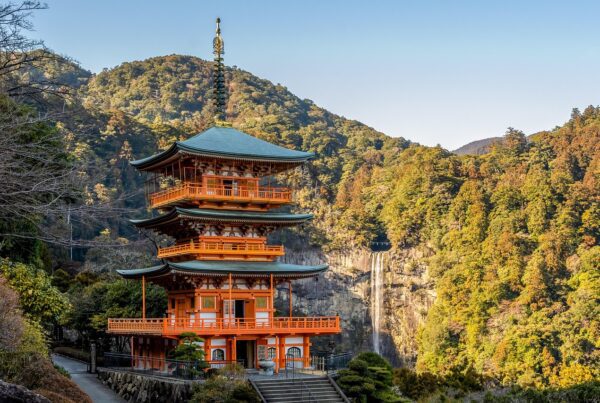
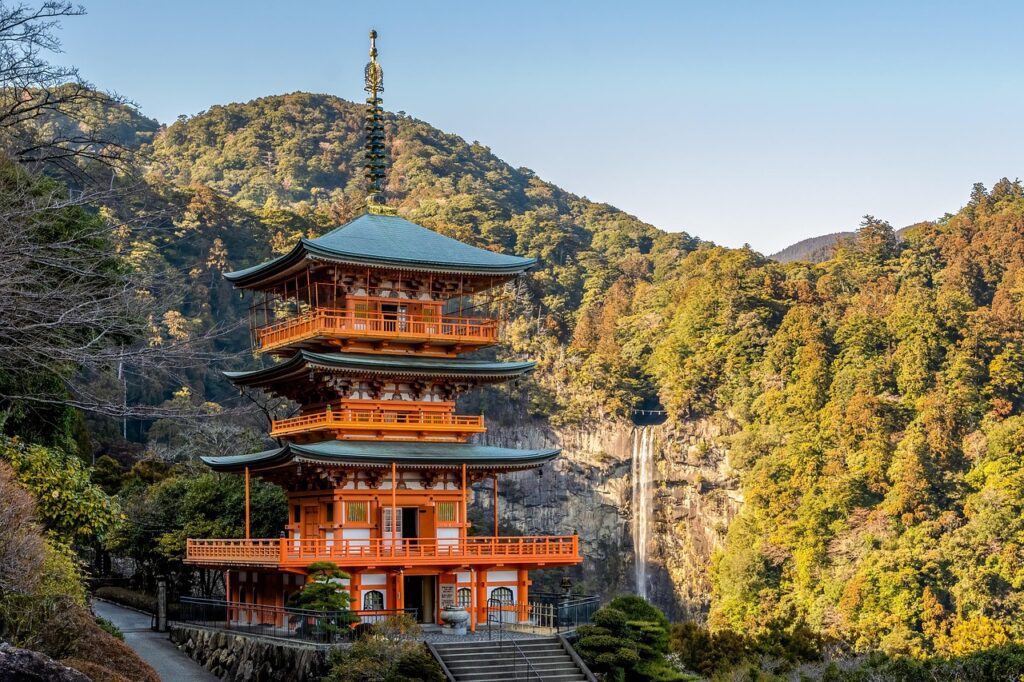
The three grand shrines of Kumano — Hongu Taisha, Nachi Taisha, and Hayatama Taisha — form the heart of the Kumano faith. For centuries, pilgrims have walked the sacred Kumano Kodo trails to reach these shrines, believing that the journey itself purifies the soul.
The region’s landscapes mirror its spiritual message: waterfalls cascading like divine blessings, moss-covered stones whispering the prayers of travelers past, and sacred torii gates marking thresholds between the human and the divine.
Koyasan – The Mountain of Eternal Light
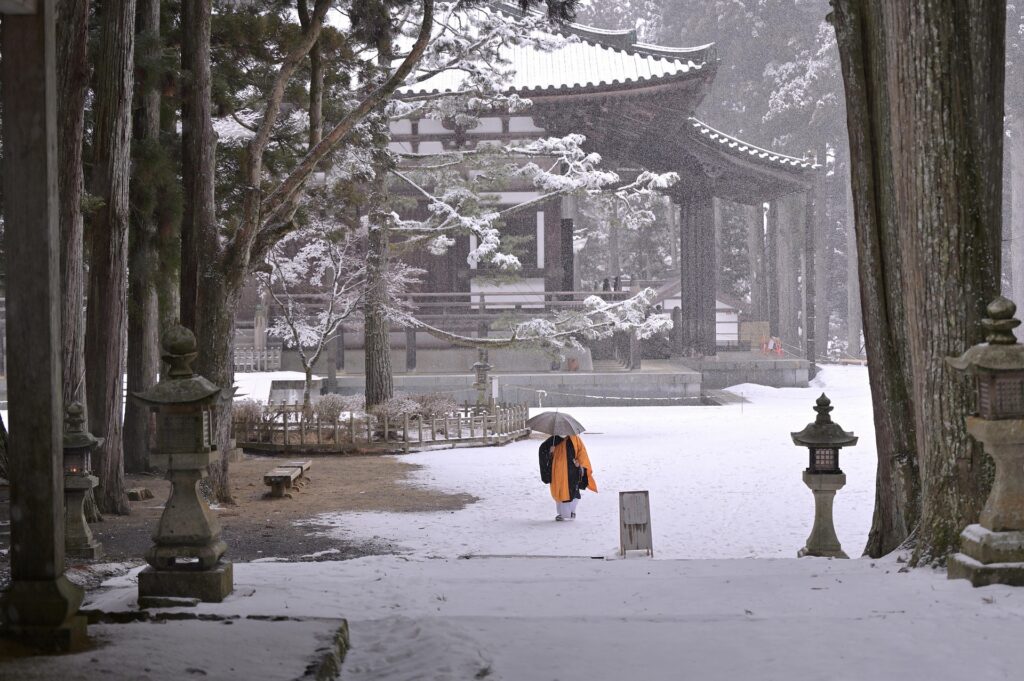
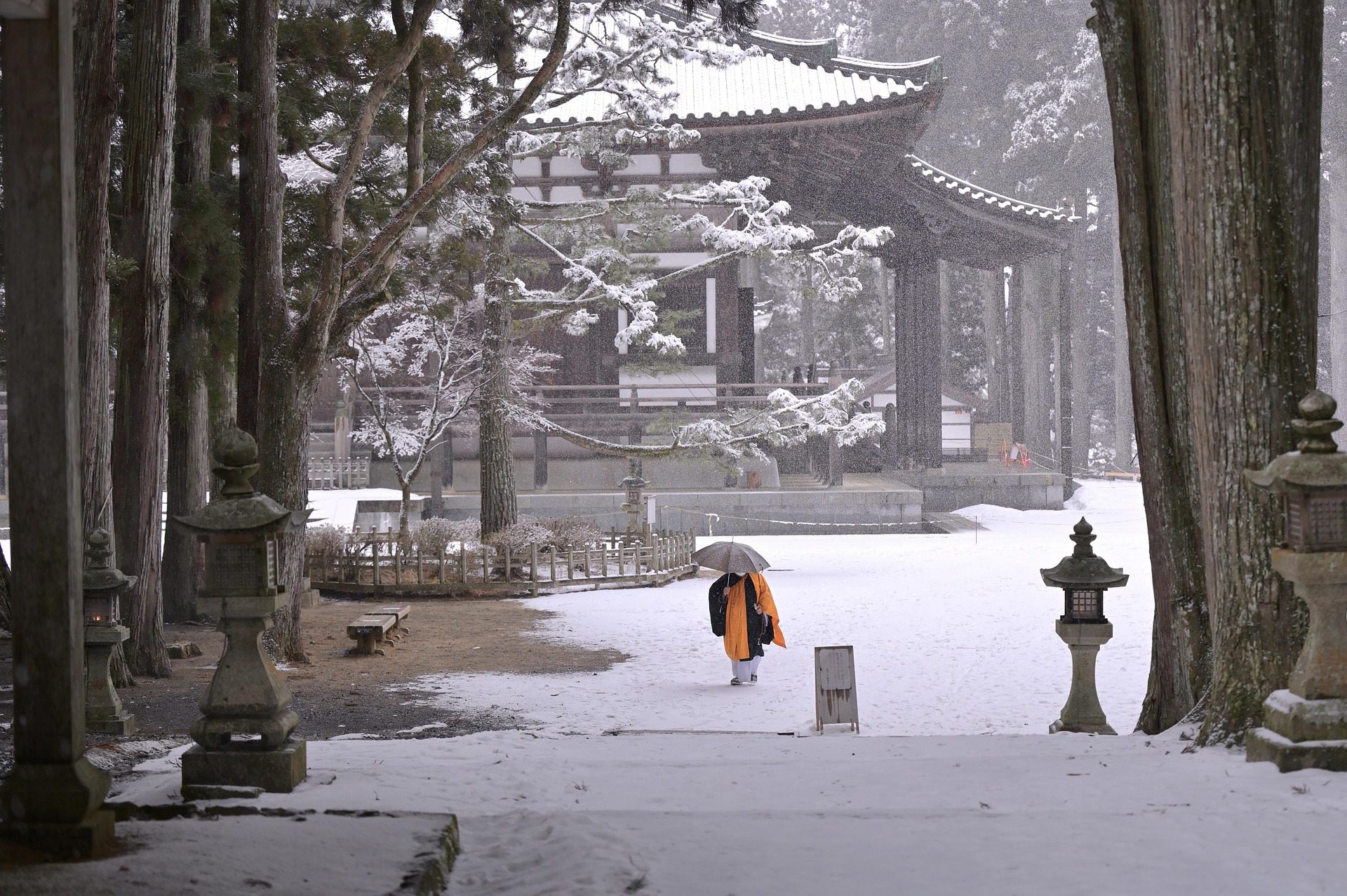
High in the mountains of Wakayama lies Mount Koya (Koyasan), the headquarters of Shingon Buddhism, founded by the monk Kobo Daishi in the 9th century. Monasteries and temples line the mountaintop, where visitors can stay overnight in shukubo (temple lodgings), join morning prayers, and experience the tranquility of monastic life.
Walking through the ethereal Okunoin Cemetery, where thousands of stone lanterns glow softly among towering cedars, is one of Japan’s most unforgettable spiritual experiences.
Yoshino and Omine – The Realm of Shugendo
The northern Kii Mountains around Mount Yoshino and Mount Omine are the sacred grounds of Shugendo, Japan’s ancient mountain ascetic tradition. Practitioners known as Yamabushi train here to seek enlightenment through communion with nature.
Every spring, Mount Yoshino bursts into a sea of cherry blossoms — over 30,000 trees painting the mountainside in delicate shades of pink, a symbol of beauty and impermanence.
Walking the Kumano Kodo Pilgrimage Routes
Few experiences capture the soul of the Kii Peninsula like walking the Kumano Kodo, a network of pilgrimage trails that has connected sacred sites for over a thousand years.
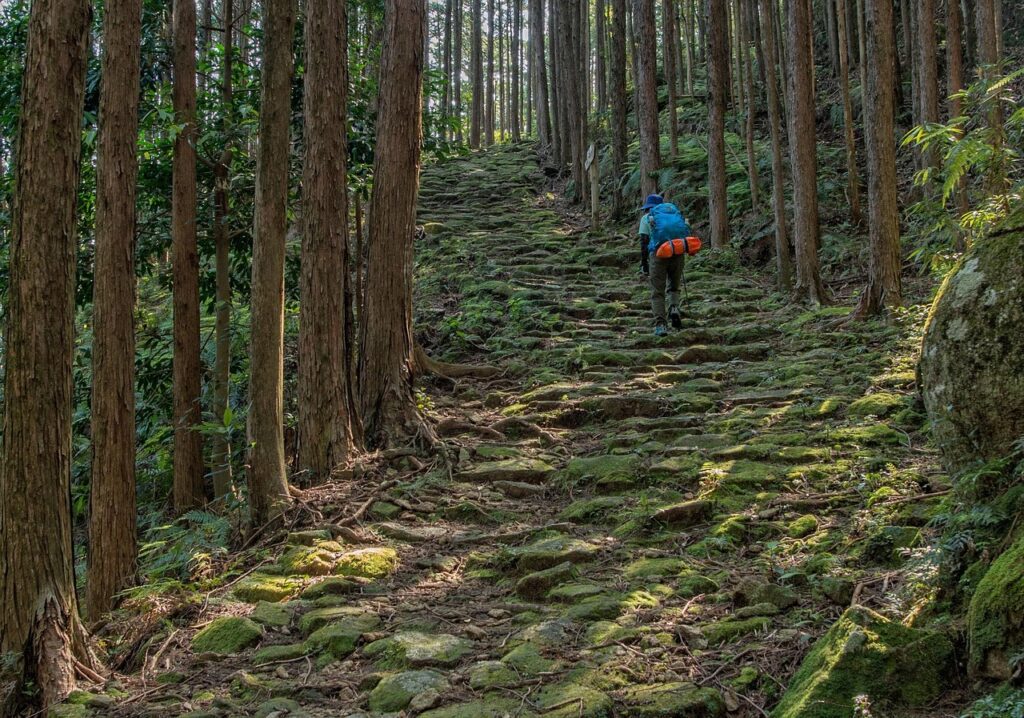
These trails once carried emperors, monks, and pilgrims through mountain passes and valleys toward the holy shrines of Kumano. Today, modern travelers follow the same paths, experiencing the serenity of ancient Japan.
The most popular route, the Nakahechi Trail, winds through peaceful villages, hidden tea houses, and lush forests — a journey as much inward as outward.
Walking these sacred routes is not merely about reaching a destination, but about slowing down, reflecting, and feeling the rhythm of the land that has inspired Japanese spirituality for centuries.
Nature’s Blessings: Waterfalls, Hot Springs, and Coastlines
Beyond its sacred trails, the Kii Peninsula is a natural wonderland.
The Nachi Waterfall, Japan’s tallest single-drop waterfall, stands as a shimmering symbol of divine energy beside the Nachi Taisha shrine.
Further inland, the region’s geothermal activity has blessed it with countless onsen (hot springs). The riverside Kawayu Onsen allows you to dig your own hot spring bath along the riverbank — a perfect way to relax after a long trek.
Along the coastline, rugged cliffs and turquoise waters form dramatic vistas, with seaside towns like Shirahama offering beaches, seafood, and oceanfront hot springs that complement the mountain’s mystique.
A Living Connection Between Past and Present
What makes the Kii Peninsula truly special is how it bridges ancient spirituality and modern life. Local villagers still maintain traditions passed down for generations, from seasonal festivals to temple rituals that honor the changing of the seasons.
Whether you come as a pilgrim, a hiker, or a curious traveler, the Kii Peninsula invites you to step into a world where every path tells a story — a story written in stone, water, and the whisper of the wind through ancient trees.
Final Reflections
The Kii Peninsula is not just a destination — it is a spiritual journey through time and nature.
Here, you can feel the heartbeat of Japan’s sacred landscape: mountains that breathe history, rivers that sing prayers, and trails that echo with the footsteps of seekers long past.
Come with an open heart, walk slowly, and listen — for the Kii Peninsula has been whispering its wisdom for over a thousand years.