Kinkaku-ji Temple: Kyoto’s Golden Icon of Serenity and History
Nestled in the cultural heart of Kyoto, Kinkaku-ji Temple — also known as the Golden Pavilion — is one of Japan’s most iconic landmarks. Reflecting in serene ponds and surrounded by meticulously maintained gardens, this dazzling temple offers visitors a glimpse into Japan’s historical elegance, spiritual heritage, and architectural brilliance. A must-visit for history enthusiasts, photographers, and anyone seeking a peaceful escape, Kinkaku-ji perfectly embodies Kyoto’s timeless charm.
A Glimpse Into History
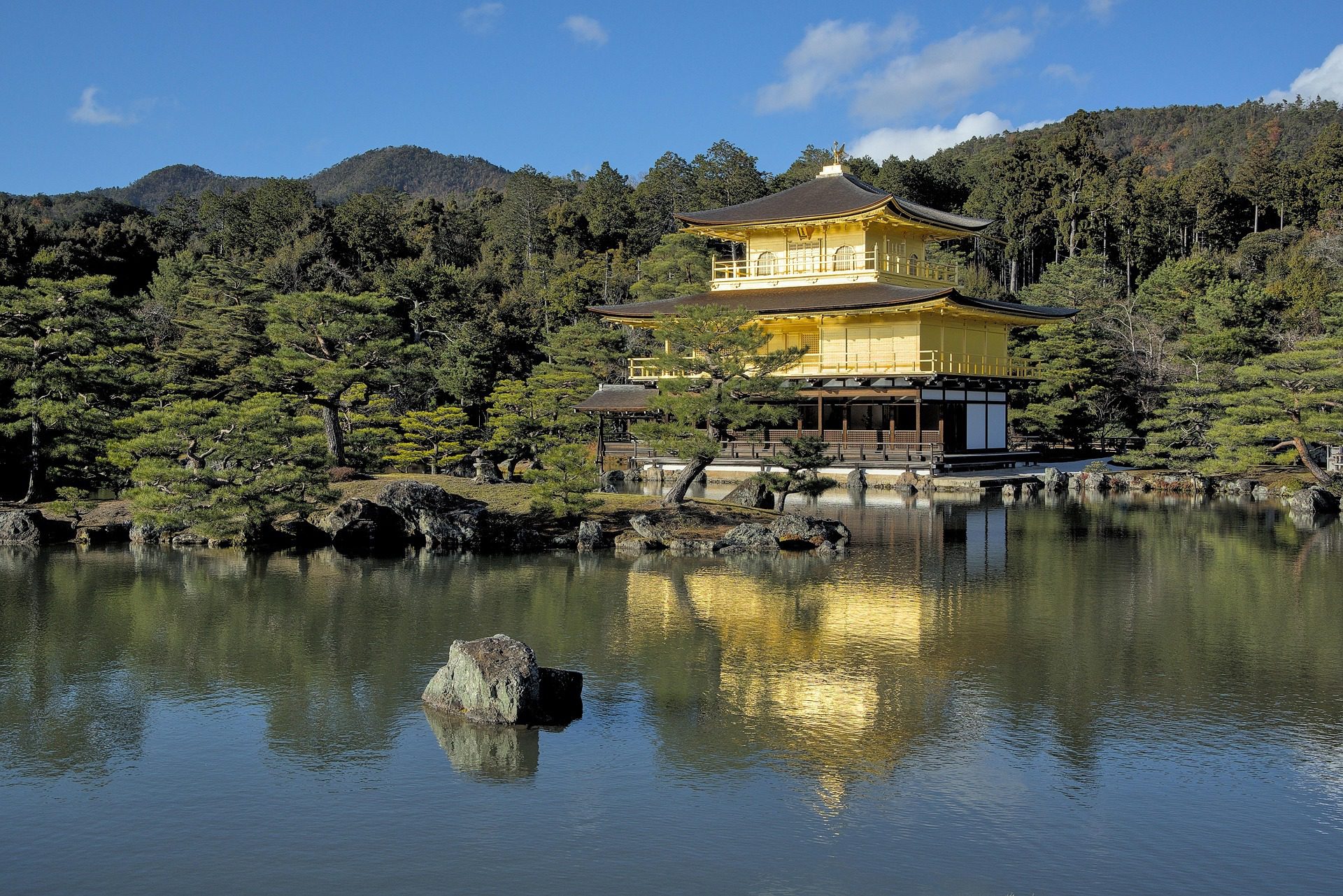
Kinkaku-ji was originally built in 1397 as a retirement villa for shogun Ashikaga Yoshimitsu and was later converted into a Zen Buddhist temple. The structure’s top two floors are completely covered in gold leaf, earning it the nickname “Golden Pavilion.” Over centuries, it has survived fires, reconstructions, and the shifting tides of history, standing today as a symbol of Kyoto’s rich cultural heritage.
Architectural Brilliance
1. Stunning Gold Leaf Exterior
The temple’s golden shimmer reflects beautifully on the Kyōko-chi (Mirror Pond), creating a picture-perfect scene that has fascinated visitors for generations. Each floor showcases a different architectural style: the first floor follows the Shinden style of the Heian period, the second floor is built in samurai residential style, and the top floor represents traditional Chinese Zen hall aesthetics.
2. Harmonious Gardens
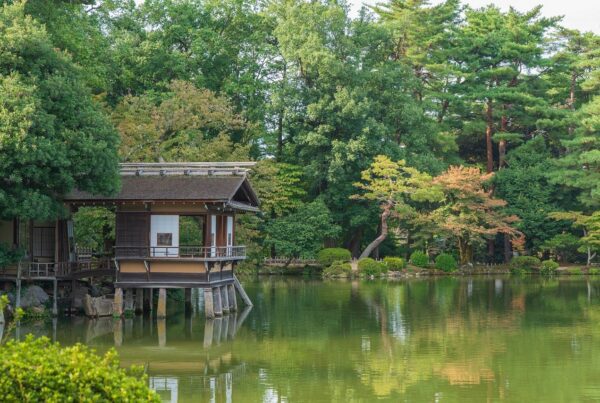
Surrounding Kinkaku-ji is a classic Japanese strolling garden designed to complement the pavilion. Visitors can wander along winding paths, admire the perfectly pruned trees, and encounter small bridges, stone lanterns, and seasonal flora — all curated to enhance the temple’s serene atmosphere.
3. Reflective Ponds
The Mirror Pond isn’t just for beauty; it holds symbolic meaning in Zen Buddhism. The pond reflects the temple and surrounding landscape, encouraging mindfulness, reflection, and inner peace.
Experiencing Kinkaku-ji
Best Time to Visit
-
Spring: Cherry blossoms provide a breathtaking contrast to the golden facade.
-
Autumn: Red maple leaves create a fiery and dramatic scene around the temple.
-
Winter: Snow-covered gardens and the glimmering pavilion offer a magical atmosphere.
Activities and Nearby Attractions
-
Take photographs from multiple vantage points to capture the temple’s reflection in the pond.
-
Visit the tea house nearby to enjoy traditional matcha tea while overlooking the gardens.
-
Explore nearby Ryoan-ji Temple, famous for its Zen rock garden, to continue your cultural journey.
Tips for Visiting Kinkaku-ji
-
Arrive early to avoid crowds, especially during peak cherry blossom and autumn seasons.
-
Respect temple rules: no climbing, touching, or feeding wildlife in the gardens.
-
Bring comfortable shoes as the garden paths require walking.
-
Photography tip: Capture the temple from across the pond for the classic reflection shot.
Why Kinkaku-ji Is a Must-See
Kinkaku-ji is more than just a temple — it’s a journey through Japan’s history, architecture, and spiritual essence. Its golden exterior, reflective pond, and tranquil gardens make it a place for awe, contemplation, and inspiration. Whether you are a traveler, history buff, or photographer, visiting Kinkaku-ji provides a quintessential Kyoto experience that lingers long after you leave.