Ninna-ji Temple: Kyoto’s Historic Imperial Temple
Ninna-ji Temple is a historic temple in Kyoto. Also known as the Temple of the Imperial Family, it was founded in 888 AD. Visitors come to see its beautiful architecture, peaceful gardens, and seasonal cherry blossoms.
History of Ninna-ji
Ninna-ji was established by Emperor Uda. Later, it became closely associated with the imperial family. Over the centuries, the temple suffered fires and required rebuilding. However, its historic charm has been preserved. Today, it is a UNESCO World Heritage Site.
The Temple Buildings
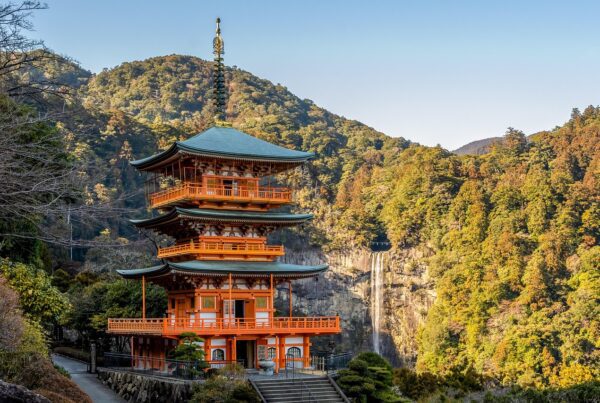
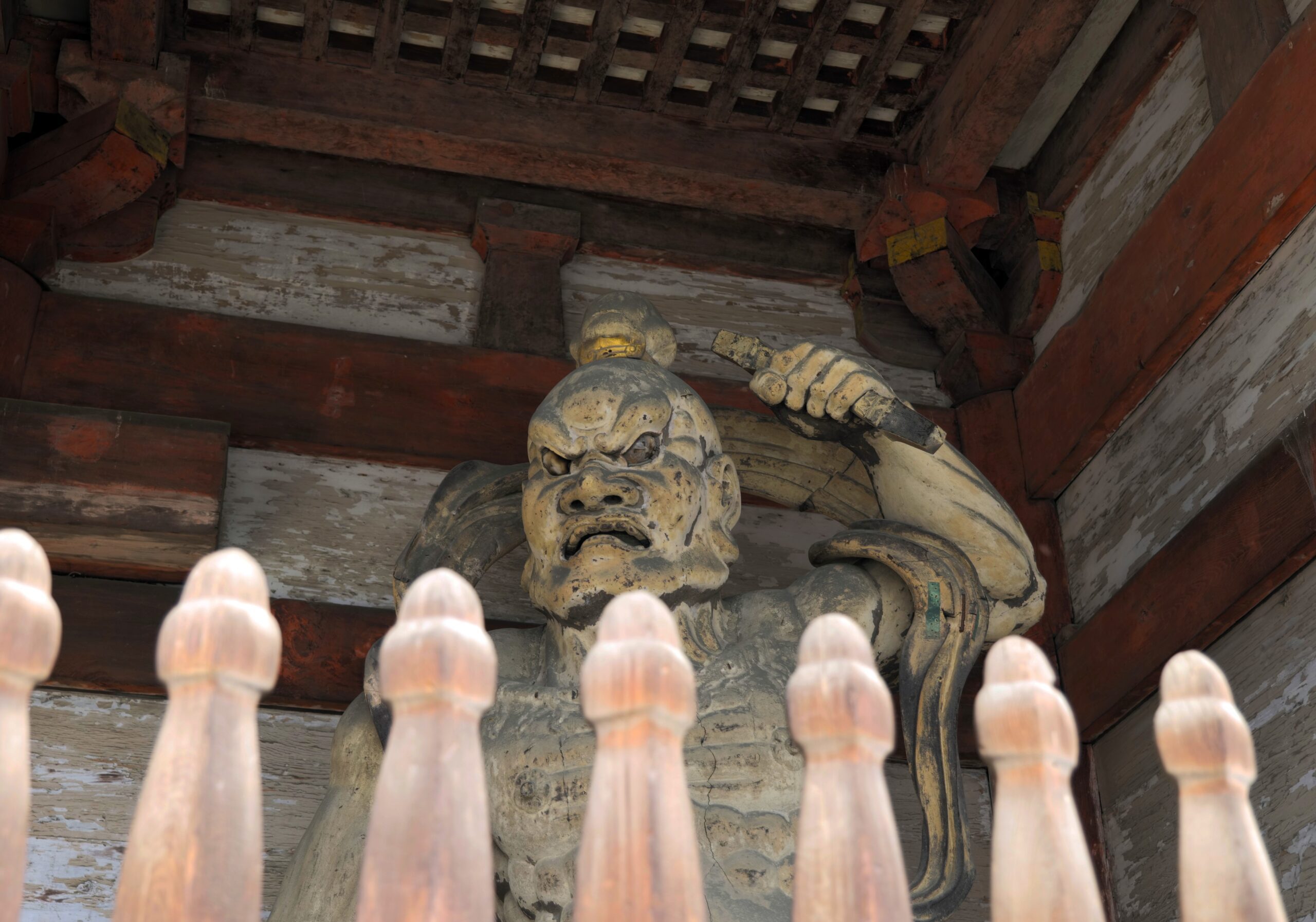
The temple features a large Golden Hall (Kondō) and a beautiful five-story pagoda. Also, the temple complex includes smaller halls, gates, and gardens. Because of its design, Ninna-ji offers a harmonious blend of history and aesthetics.
Seasonal Highlights
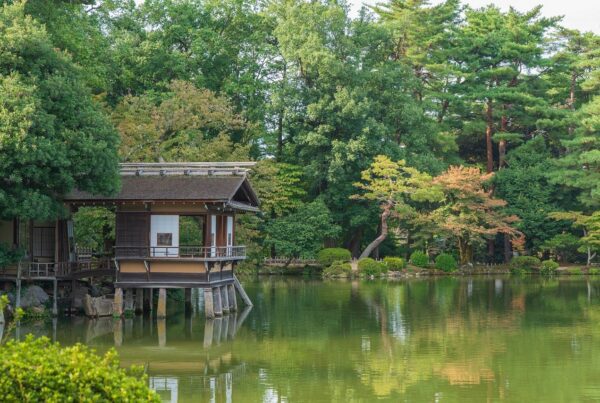
Ninna-ji is famous for its Omuro cherry trees. These cherry blossoms bloom later than most in Kyoto. Visitors can also enjoy moss gardens, ponds, and tranquil walking paths. Therefore, the temple provides a peaceful retreat in any season.
Visiting Tips
-
Best time: Late March to early April (cherry blossoms)
-
Time needed: 1.5 hours
-
Photos: Allowed outdoors; restricted indoors
-
Access: 10 minutes by bus from Kyoto Station
Why Visit Ninna-ji Temple
Ninna-ji Temple combines history, beauty, and serenity. Also, it offers a unique glimpse into Kyoto’s imperial past. Visitors leave with a sense of calm and appreciation for Japanese culture. In the end, Ninna-ji is an essential stop for anyone exploring Kyoto.