Setouchi: Japan’s Mediterranean Escape of Islands, Sake, and Scenic Beauty
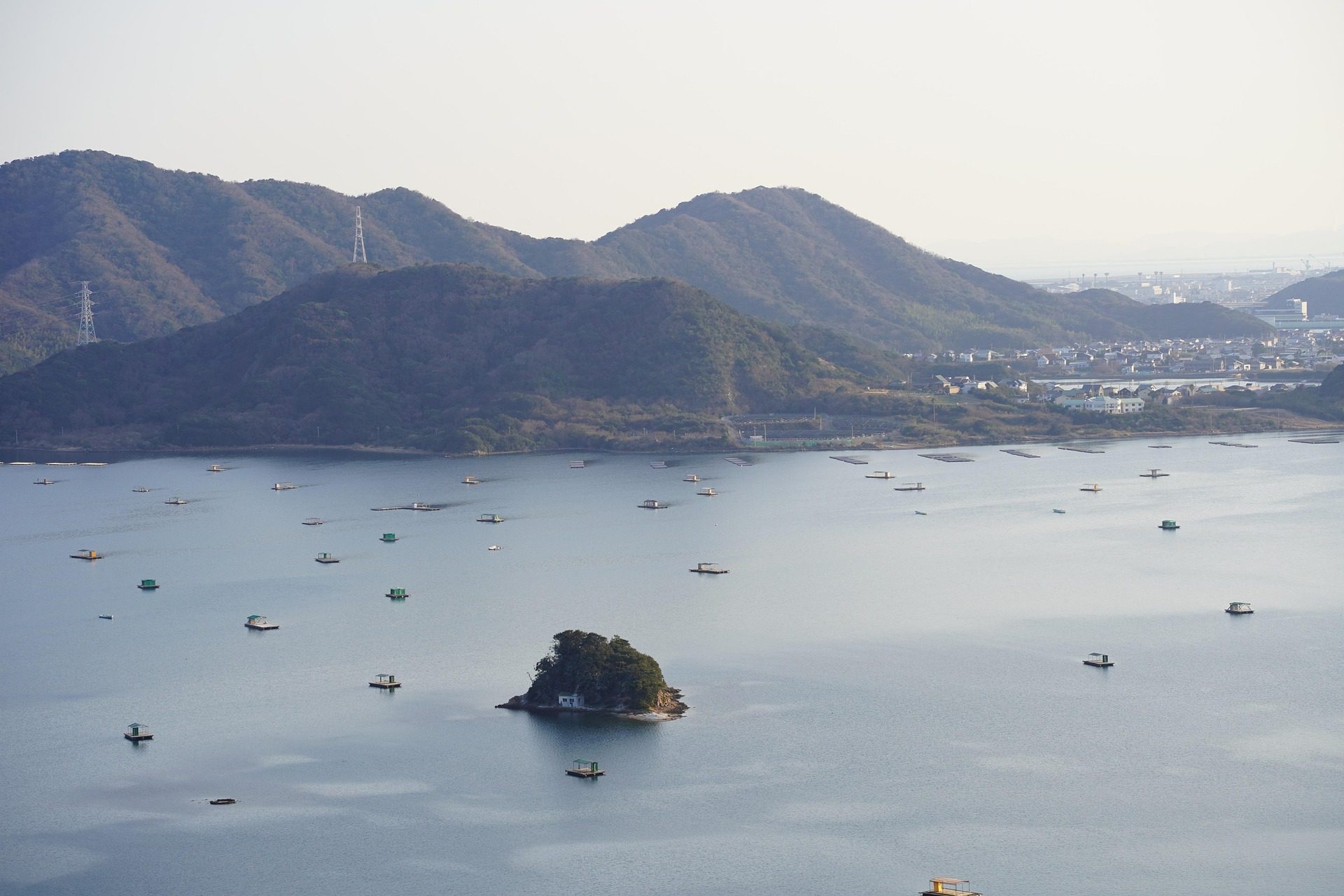
Tucked between Honshu and Shikoku, Japan’s Setouchi region is a captivating blend of sparkling seas, charming islands, and rich cultural heritage. Often called the “Mediterranean of Japan,” Setouchi is a paradise for travelers seeking sun-soaked coastlines, artisanal delights, and unforgettable experiences far from the usual tourist trails. With its scenic trains, relaxing onsen, and world-class local cuisine, this region offers a perfect harmony of adventure and tranquility.
Why Setouchi Should Be on Your Japan Bucket List
Setouchi isn’t just a destination; it’s a sensory experience. Imagine glistening turquoise waters dotted with islands, centuries-old temples, vibrant art festivals, and the tantalizing aroma of freshly brewed sake drifting through local towns. This region is where nature, culture, and gastronomy meet, inviting visitors to slow down, explore, and indulge in authentic Japanese charm.
Explore the Islands of Setouchi
1. Naoshima: Japan’s Art Island
Famed for its avant-garde architecture and contemporary art museums, Naoshima transforms the island into a living canvas. From the iconic Chichu Art Museum to outdoor sculptures dotting the coastline, art lovers can immerse themselves in creativity amid serene seaside views.
2. Shodoshima: Olive Groves and Scenic Vineyards
Known as Japan’s “Olive Island,” Shodoshima offers fragrant olive groves, stunning sunsets, and Mediterranean-style charm. Sample local olive oil, stroll through picturesque villages, and sip wine while watching the sun dip below the horizon.
3. Teshima: Minimalist Beauty and Natural Landscapes
For those craving quiet reflection, Teshima Island is a haven of minimalist architecture, contemporary art, and unspoiled nature. Trails along the coast provide breathtaking panoramas, perfect for photography and mindful exploration.
Savor Setouchi: From Sake to Seafood
The region is a culinary treasure chest. From traditional izakayas to upscale dining:
-
Sip locally brewed Setouchi sake, crafted with pristine water and seasonal rice.
-
Relish fresh seafood, including oysters, sea bream, and octopus from the Seto Inland Sea.
-
Sample regional specialties like sanuki udon on Shikoku and artisan olive-based dishes on Shodoshima.
Every meal is an opportunity to connect with the region’s flavors and traditions.
Relaxation & Scenic Journeys
Onsen Retreats
Setouchi’s islands and coastal towns are home to rejuvenating onsen (hot springs), where you can soak in mineral-rich waters while overlooking the sea. Perfect for unwinding after a day of exploration.
Scenic Trains
Travel through Setouchi aboard picturesque trains that hug the coastline and connect charming towns. The journey itself becomes a highlight, offering panoramic views of islands, bridges, and the shimmering sea.
Hidden Gems & Local Experiences
-
Art Walks and Studios: Explore smaller islands like Inujima and its unique art projects.
-
Historic Villages: Step back in time in traditional fishing towns with whitewashed houses and narrow alleys.
-
Festivals: Attend seasonal festivals featuring local music, lanterns, and cultural performances.
Setouchi rewards travelers who venture beyond the well-trodden paths with unforgettable discoveries.
Tips for Visiting Setouchi
-
Best explored during spring and autumn for mild weather and scenic beauty.
-
Ferries and trains are the most scenic ways to move between islands.
-
Renting a bicycle is ideal for exploring small islands at your own pace.
-
Book accommodations in advance, especially during festivals or cherry blossom season.
Final Thoughts
The Setouchi region is Japan’s sunlit secret — a Mediterranean-inspired paradise where islands, art, and gastronomy intertwine. It’s a place to slow down, savor every moment, and immerse yourself in breathtaking landscapes, rich culture, and authentic local flavors. Whether it’s a serene onsen soak, a coastal train journey, or a taste of local sake, Setouchi promises experiences that linger in memory long after the trip ends.