Tipping in Japan: Do You Really Have to? (2025 Guide for Travelers)
If you’re used to traveling in countries like the U.S., Europe, or even parts of Asia, tipping is often second nature. You leave 10–20% at a restaurant, round up for a taxi, or reward excellent service at hotels. But Japan is different — and for first-time travelers, it can be confusing.
So, do you tip in Japan? Short answer: not usually. But let’s break it down so you can navigate Japanese etiquette without awkward moments or accidentally offending someone.
Why Tipping Is Rare in Japan
In Japan, exceptional service is expected, not extra-rewarded. There are a few reasons for this:
-
Cultural values: Politeness, respect, and hospitality (omotenashi) are deeply ingrained in Japanese society. Staff take pride in providing excellent service without needing a tip.
-
All-inclusive pricing: Meals, taxis, and services are priced fairly upfront, with no hidden “service fee” expected.
-
Avoiding embarrassment: Offering a tip can sometimes confuse or even offend a Japanese worker, as it implies that their service isn’t already good enough.
When You Might See Tips in Japan
Although tipping is generally uncommon, there are a few exceptions or special cases:
-
High-end ryokan or hotels: Some luxury inns may allow small gifts or money in an envelope to thank a personal attendant. This is usually discreet and formal.
-
Tour guides for private tours: While not required, it’s occasionally appreciated if the guide went above and beyond.
-
Special services for foreigners: Some high-end restaurants or experiences catering to tourists may accept or even include a “service charge,” which is automatically added to the bill.
💡 Pro tip: Instead of tipping, many travelers leave a small thank-you gift, like a souvenir from their home country, which is often more meaningful in Japan.
What About Restaurants and Cafés?
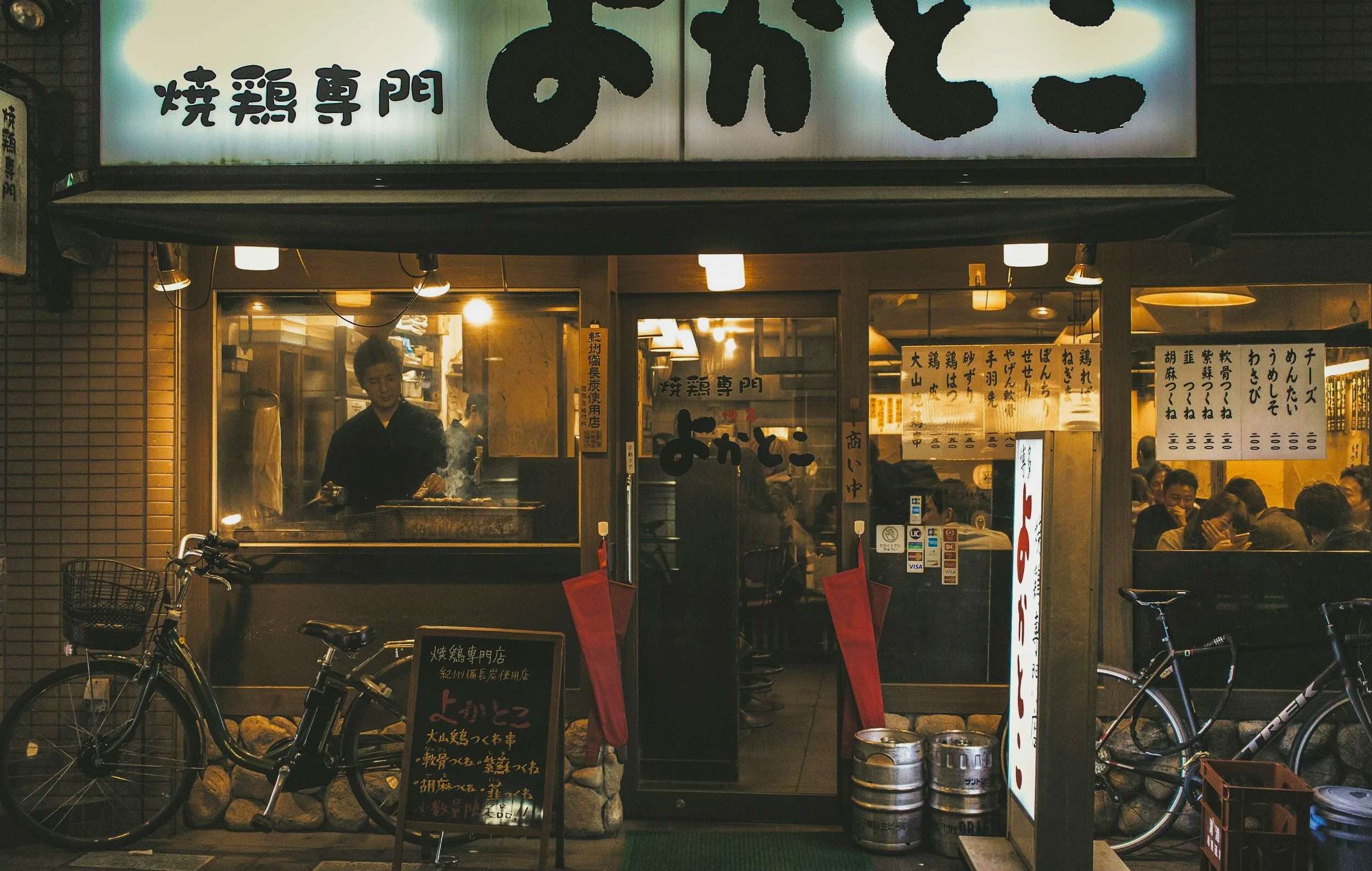
In most restaurants, tipping is not expected at all. Even casual cafés, ramen shops, or sushi counters consider it unusual.
-
Service charges: Some upscale restaurants may include a 10–15% service charge — this is part of the bill, so you don’t tip extra.
-
How to show gratitude: Simply saying “thank you” (arigatou gozaimasu) or leaving a polite compliment goes a long way.
Taxis and Transportation
-
Taxis: No tip needed. Fares are calculated precisely, and drivers won’t expect more. Some travelers round up the fare for convenience, but it’s optional.
-
Trains & buses: Definitely no tipping required.
Tips for Travelers: How to Handle Tipping in Japan
-
Don’t force it. Tipping is not a norm, so leaving money can create awkward moments.
-
Use gestures instead. Polite words, bows, and sincere thanks carry more weight than cash.
-
Gift over money. If you truly want to show appreciation for exceptional service, a small souvenir or packaged gift is culturally appropriate.
-
Check your bill carefully. Look for any “service charge” included before attempting to tip.
The Bottom Line
In Japan, tipping isn’t required — and sometimes it’s better not to. The culture values professionalism, politeness, and pride in work, so excellent service is the standard. Instead of worrying about tipping, focus on expressing gratitude through polite behavior, kind words, or thoughtful gestures.
Traveling in Japan is a chance to experience a culture where great service is the norm, not an extra reward — and that’s part of what makes visiting so special.