Tōdai-ji Temple: Nara’s Iconic Great Buddha Hall
Tōdai-ji Temple is one of the most famous temples in Nara. Also known as the Great Eastern Temple, it is home to Japan’s largest bronze Buddha. Visitors come to admire its scale, history, and spiritual presence.
History of Tōdai-ji
Tōdai-ji was founded in 752 AD. Emperor Shōmu built it to unify the country through Buddhism. Over time, fires and earthquakes damaged the temple. However, it was rebuilt and expanded several times. Today, it is a UNESCO World Heritage Site and a cultural treasure.
The Great Buddha Hall (Daibutsuden)
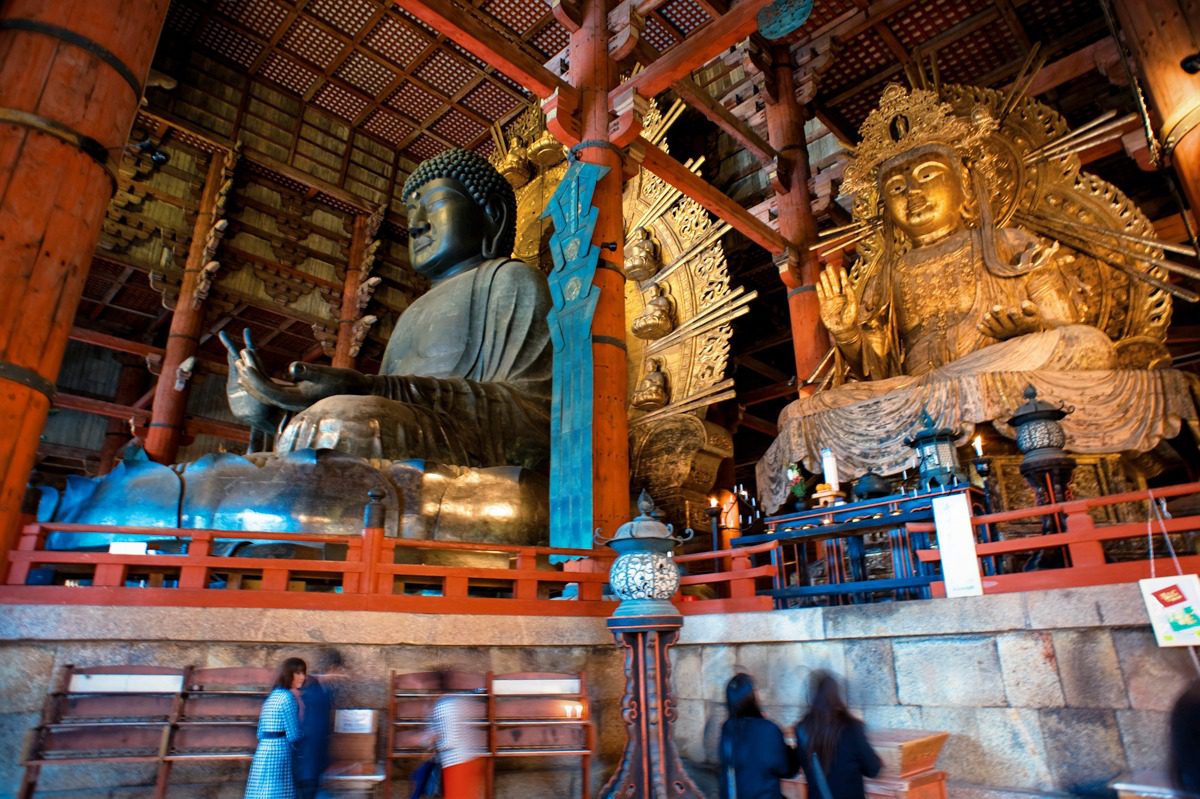
The Daibutsuden is the main hall and one of the largest wooden buildings in the world. Also, it houses the massive Daibutsu, or Great Buddha. The statue is over 15 meters tall. Because of its size, the hall impresses every visitor.
Architectural Highlights
Tōdai-ji features ancient Japanese architecture. The hall’s wooden beams are enormous. Additionally, the temple grounds include gates, pagodas, and smaller halls. Visitors can walk around the area and enjoy its scale and design.
Surrounding Grounds
The temple grounds are peaceful yet lively. Deer roam freely in Nara Park nearby. Seasonal flowers enhance the scenery. Cherry blossoms bloom in spring. Maple leaves glow in autumn. Therefore, the temple offers beauty in every season.
Visiting Tips
-
Best time: Spring or autumn
-
Time needed: 1.5 to 2 hours
-
Photos: Allowed outdoors; restricted indoors
-
Access: 10 minutes by bus or walk from Kintetsu Nara Station
Why Visit Tōdai-ji
Tōdai-ji combines awe-inspiring architecture with deep spirituality. Also, the Great Buddha is a symbol of Japan’s cultural heritage. Visitors leave with wonder and reflection. In the end, Tōdai-ji is a must-see in Nara for first-time and returning travelers alike.