When Is Mount Fuji Visible? A Complete Guide to the Best Viewing Seasons
Mount Fuji may be Japan’s most iconic mountain, but it is also one of the country’s most elusive sights. Many travelers are surprised to learn that Fuji is often hidden by clouds, haze, or humidity—especially in summer. If you’re planning a visit and want the best chance of seeing the mountain clearly, this guide will help you choose the ideal season, time of day, and viewing spot.
The Best Time to See Mount Fuji
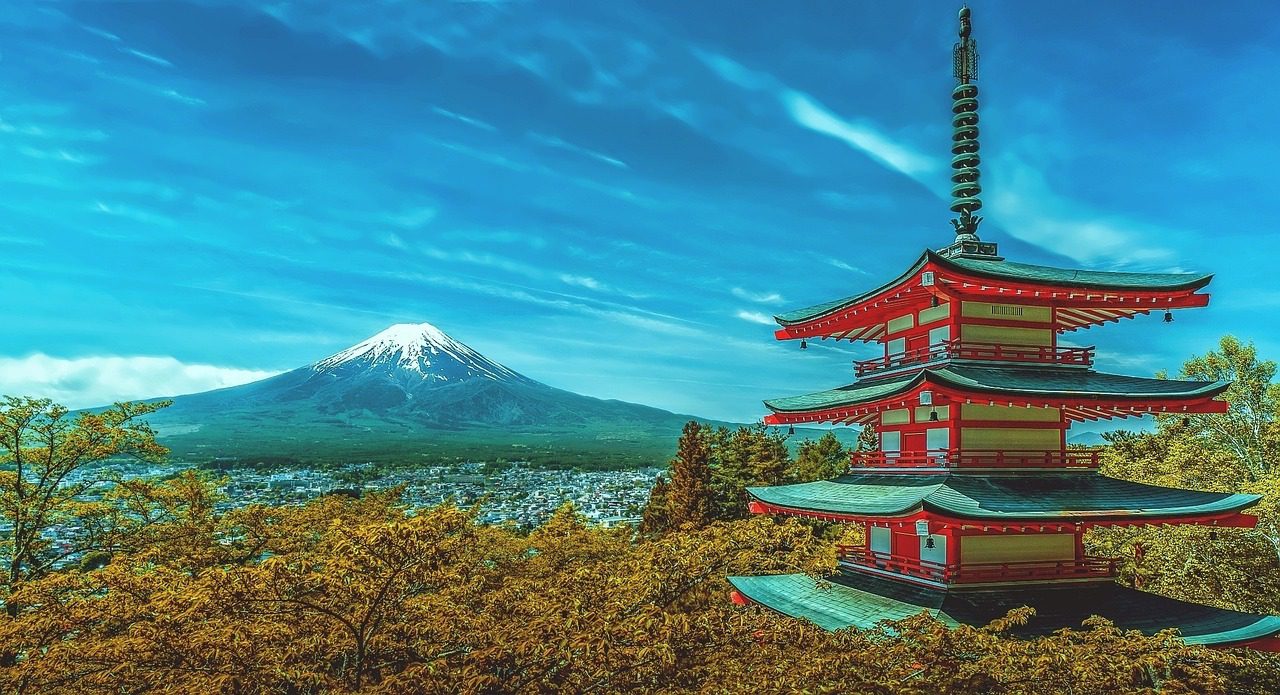
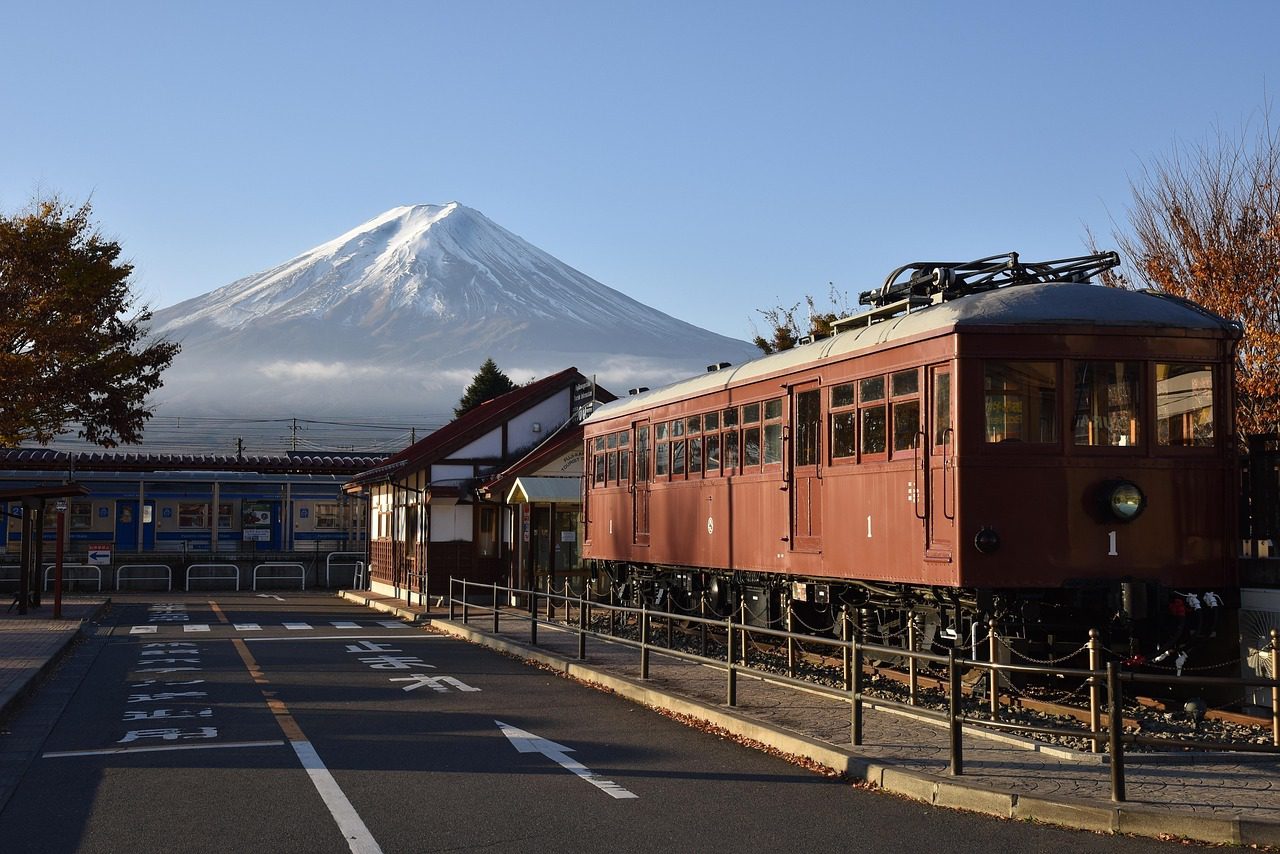
✔ November to February – Peak Visibility
The clearest and most reliable views of Mount Fuji occur during the cold, dry winter months from late autumn through mid-winter. These months offer:
- Low humidity
- Crisp, clear skies
- Less cloud cover
- Excellent visibility from both nearby and distant locations
This is the prime viewing season, especially around Lake Kawaguchiko, Hakone, and even Tokyo on particularly clear days.
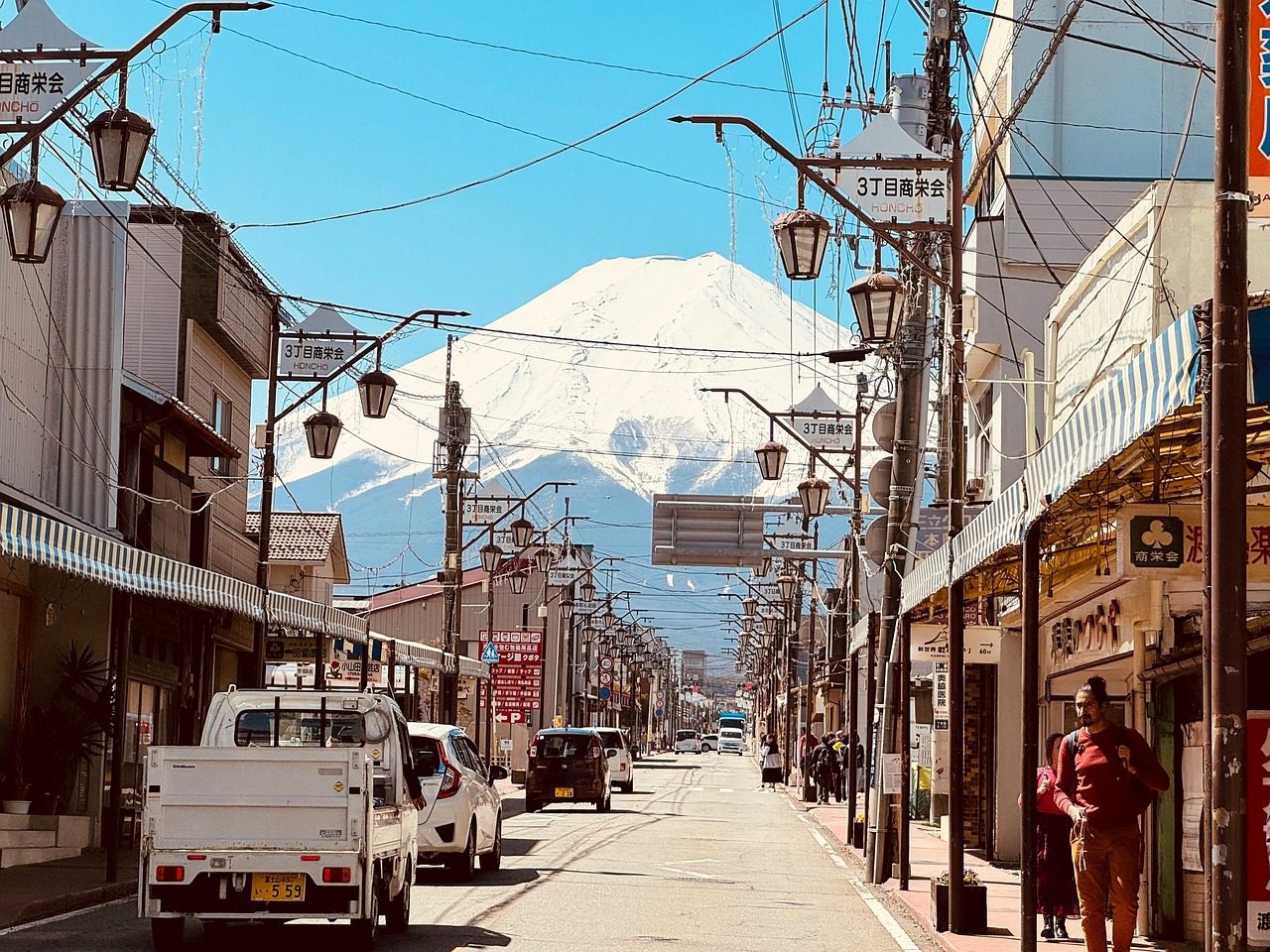
✔ Early Mornings (All Year Round)
No matter the season, early morning provides the highest chance of clear visibility. The air is cooler, haze is minimal, and clouds have not yet formed around the mountain. For the best results, aim to view Fuji between sunrise and 9:00 AM.
Times When Visibility Is Low
✘ Summer (June–August)
Summer in Japan brings high humidity, haze, and thick cloud cover. Even on sunny days, Mount Fuji often remains hidden behind white haze. These are the least reliable months for Fuji viewing.
✘ September
September overlaps with Japan’s rainy season and typhoon season, which leads to frequent heavy clouds and poor visibility. Sightings are rare and unpredictable during this period.
Tips for Improving Your Chances of Seeing Mount Fuji
1. Check Visibility Forecasts
Weather conditions around Fuji change quickly. Use reliable local forecasts or real-time visibility tools to see if the mountain is clear before heading out.
2. Choose Your Viewing Location Wisely
The closer you are to the mountain, the better your chances of seeing it. The most reliable viewing areas include:
- Lake Kawaguchiko (Fuji Five Lakes)
- Gotemba
- Hakone (clear days only)
Distant views from Tokyo or Yokohama are stunning but only appear on very clear days.
3. Use Live Cameras
Several websites offer live webcam feeds of Mount Fuji, giving you a real-time view of current conditions. Checking a live camera before you travel can save you time and disappointment.
4. Stay Multiple Days
If seeing Mount Fuji is important to you, staying 2–3 nights in the region dramatically increases your chances of catching a clear view.
Bottom Line
Best months: November to February
Best time of day: Early morning
Difficult months: June to September
Best strategy: Stay near Lake Kawaguchiko and check real-time visibility cameras
With the right timing—and a bit of luck—you’ll be rewarded with an unforgettable view of Japan’s most majestic mountain.