Summer in Japan is a season defined by energy, colour, and celebration. As the heat and humidity rise, so too does the intensity of cultural life across the country, with towns, cities, and riversides transforming into vibrant festival spaces filled with music, food stalls, traditional clothing, and spectacular nighttime fireworks. It is a time when communities come together in open-air celebrations that feel both festive and deeply rooted in tradition.
Unlike quieter seasons that highlight temples, gardens, and seasonal landscapes, summer is when Japan feels most alive in motion. Lanterns illuminate streets after sunset, rivers become gathering points for thousands of spectators, and the sky itself turns into a canvas of colour during some of the world’s most impressive fireworks displays.
Fireworks Festivals (花火大会 / Hanabi Taikai)
At the heart of Japan’s summer season are the iconic fireworks festivals, known as Hanabi Taikai. These events are not casual displays — they are large-scale, carefully choreographed performances that can last from 30 minutes to several hours, often featuring tens of thousands of fireworks launched in synchronized sequences.
One of the most famous examples is the Sumida River Fireworks Festival in Tokyo, where crowds gather along riverbanks to watch reflections of fireworks shimmer across the water. In cities like Osaka, Yokohama, and Nagoya, similar events attract hundreds of thousands of spectators, transforming entire districts into festival zones.
What makes Japanese fireworks unique is not just their scale, but their artistry. Fireworks are designed with intricate shapes, layered colours, and rhythmic sequences that create emotional storytelling in the sky. Some are slow and atmospheric, while others burst rapidly in dazzling cascades of light and sound.
In Japan, fireworks are not just entertainment — they are a shared moment of reflection, beauty, and seasonal appreciation.
Many festivals conclude with a dramatic finale where thousands of fireworks are launched in rapid succession, creating a sky-wide explosion of colour that leaves audiences in awe. The experience is often accompanied by traditional music, crowd cheers, and the distant sound of festival bells and taiko drums.
Street Food and Night Markets
No Japanese summer festival is complete without the lively presence of street food stalls, known as yatai. These temporary food stands line festival streets, parks, and riverbanks, filling the air with the aroma of grilled, fried, and sweet delicacies.
Popular festival foods include takoyaki (octopus-filled batter balls), yakisoba (fried noodles), and okonomiyaki (savory pancakes). Sweet treats such as shaved ice (kakigōri) and candied fruit skewers are especially popular during hot summer evenings.
Beyond food, these stalls often sell festival games, glowing toys, and traditional souvenirs. Visitors can try ring toss games, goldfish scooping, or pick up handmade crafts that reflect local culture. The combination of food, games, and social atmosphere creates a lively street market environment that feels both nostalgic and festive.
The experience is not just about eating — it is about movement, sound, and atmosphere. Lantern-lit pathways, laughter from families, and the constant buzz of activity make festival nights feel immersive and unforgettable.
Traditional Clothing: The Yukata Experience
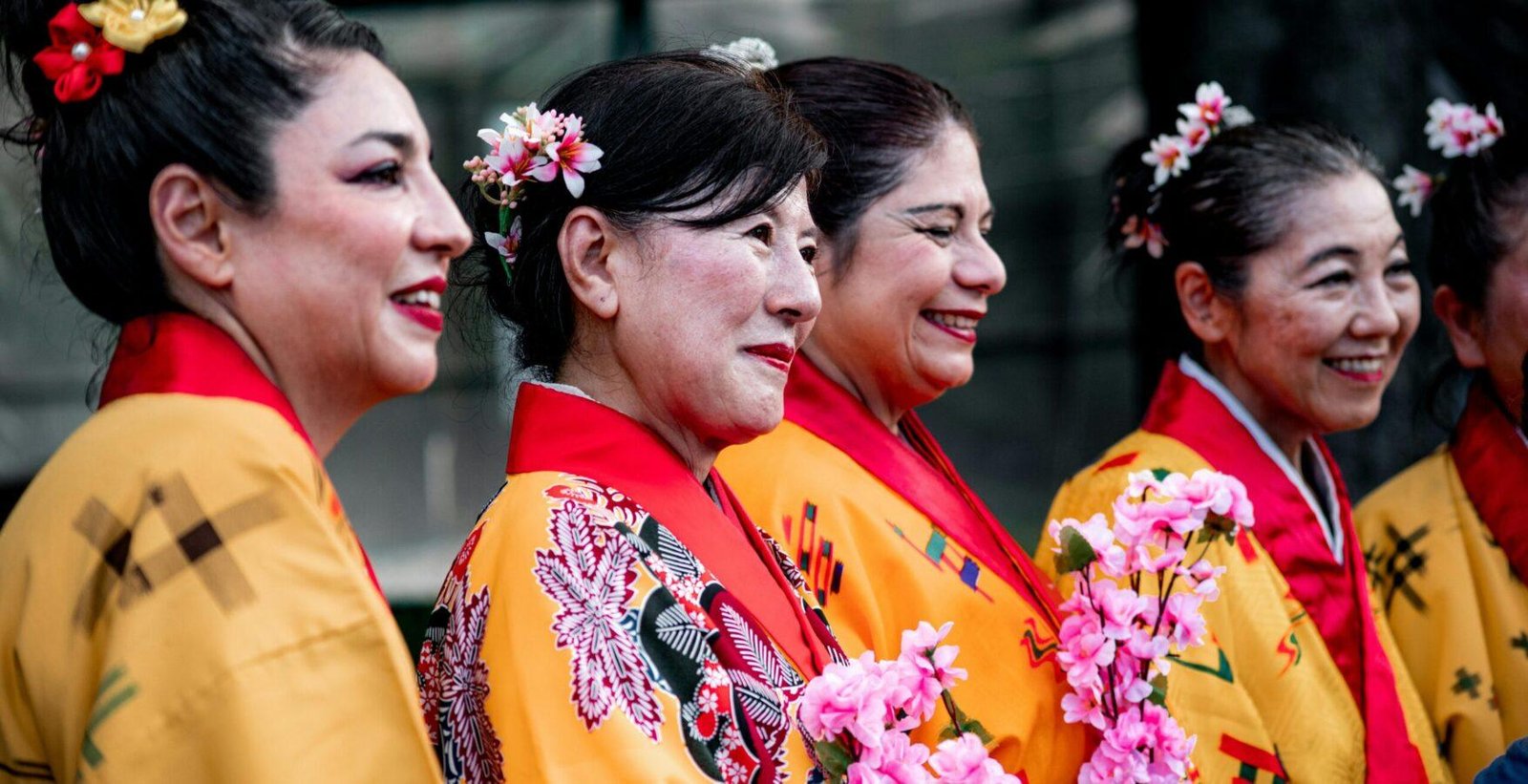
One of the most visually striking aspects of Japanese summer festivals is the widespread wearing of the yukata, a lightweight cotton kimono designed specifically for warm weather. Unlike formal kimono, yukata are more casual, breathable, and often decorated with seasonal patterns such as flowers, waves, or fireworks.
Wearing a yukata during festivals is not only a fashion choice but also a cultural tradition that enhances the overall atmosphere. Couples, families, and groups of friends often dress in coordinated styles, walking through festival grounds together and taking photos under lantern-lit streets.
Footwear typically includes wooden sandals called geta, which add to the rhythmic soundscape of festival nights as people walk along stone paths and paved streets. The combination of clothing, movement, and environment creates a strong sense of seasonal identity.
For many visitors, renting a yukata is part of the experience. Rental shops in cities like Kyoto and Tokyo often provide full dressing services, allowing travellers to fully immerse themselves in the traditional aesthetic of summer celebrations.
Top Summer Festivals in Japan
Across Japan, summer is filled with iconic festivals that each offer unique cultural experiences. While fireworks dominate many events, others focus on dance, music, and regional traditions that reflect local identity.
Sumida River Fireworks Festival (Tokyo)
One of Japan’s oldest and most famous fireworks festivals, this event takes place along the Sumida River in Tokyo. Dating back to the Edo period, it continues to attract massive crowds who gather to watch breathtaking displays over the city skyline.
Awa Odori (Tokushima)
The Awa Odori festival in Tokushima is one of Japan’s most famous traditional dance festivals. Groups of dancers perform energetic, rhythmic choreography through city streets, accompanied by shamisen, flutes, and drums. The festival’s slogan, “The foolish dancer and the foolish watcher are both fools, so why not dance?”, reflects its joyful spirit.
Tenjin Matsuri (Osaka)
Held in Osaka, Tenjin Matsuri is one of Japan’s three great festivals. It features both land and river processions, with boats carrying performers, lanterns, and portable shrines along the Okawa River, culminating in a spectacular fireworks display.
Gion Matsuri (Kyoto)
Although spanning July, Gion Matsuri is one of Japan’s most famous traditional festivals. It features massive wooden floats called yamaboko paraded through Kyoto’s streets, showcasing centuries-old craftsmanship and community pride.
Travel Tips for Summer Festivals
Attending summer festivals in Japan can be an unforgettable experience, but preparation is essential due to heat, humidity, and large crowds. With proper planning, visitors can enjoy these events comfortably and fully engage with the atmosphere.
- Arrive early to secure good viewing spots, especially for fireworks events.
- Use public transport, as roads often close and traffic becomes congested.
- Carry water and stay hydrated due to high summer temperatures.
- Wear light clothing or rent a yukata for a traditional experience.
- Be prepared for large crowds and plan meeting points in advance.
- Bring cash, as many food stalls do not accept cards.
- Check festival schedules in advance, as some events vary by year.
Many visitors also choose to stay overnight near festival locations, especially in smaller towns where accommodation fills quickly. Booking early ensures better access to viewing areas and reduces travel stress.
Final Thoughts
Summer festivals in Japan offer a powerful combination of tradition, celebration, and sensory immersion. From the breathtaking scale of fireworks lighting up city skies to the warmth of street food stalls and the elegance of yukata-clad crowds, every element contributes to an atmosphere that is both joyful and deeply cultural.
Whether watching fireworks reflect over rivers in Tokyo, dancing through streets in Tokushima, or exploring local night markets filled with seasonal flavours, travellers are invited into a living tradition that connects communities across generations.
For those seeking travel experiences that blend energy, beauty, and cultural depth, Japan’s summer festivals stand out as some of the most memorable in the world. They are not simply events to observe, but moments to feel — shared celebrations that leave lasting impressions long after the night sky fades.