Traditional Japanese festivals, known as matsuri, are deeply woven into the cultural and spiritual fabric of Japan. Far from being simple public celebrations, they represent centuries of history, religious devotion, seasonal awareness, and community identity. Many of these festivals have been preserved for generations with remarkable continuity, allowing modern-day visitors to witness living traditions that still hold strong meaning today.
Across Japan, festivals are not just entertainment events; they are expressions of gratitude, prayer, and connection between people and nature. Whether held in quiet rural towns or bustling urban centres, each matsuri reflects the unique identity of its region while sharing common roots in Shinto and Buddhist traditions.
Religious Origins of Matsuri
The origins of many Japanese festivals are closely tied to Shinto shrines and Buddhist temples, where rituals are performed to honour deities, ancestral spirits, and natural forces. In Shinto belief, festivals are a way to invite the presence of kami (spirits or gods) into the community, offering gratitude and seeking blessings for health, prosperity, and protection.
One of the most important elements of these religious festivals is the mikoshi — a portable shrine believed to temporarily house the deity during the procession. During festivals, the mikoshi is carried through the streets by groups of participants, symbolically bringing divine energy into the everyday world. This act represents a bridge between sacred space and community life.
Buddhist festivals, on the other hand, often focus on reflection, remembrance, and spiritual purification. Ceremonies may include chanting, lantern offerings, and memorial rites for ancestors. Together, Shinto and Buddhist traditions have shaped a festival culture that is both diverse and deeply meaningful.
In Japan, festivals are not separate from spirituality — they are its most visible and communal expression.
Seasonal Celebrations and Agricultural Heritage
Many traditional festivals are closely linked to Japan’s agricultural calendar, reflecting the country’s long history of rice cultivation and seasonal awareness. These celebrations mark key moments such as planting, growth, and harvest, symbolising gratitude toward nature and the hope for abundance.
In spring, festivals often celebrate renewal and new beginnings, coinciding with rice planting and cherry blossom season. Communities pray for fertile fields and favourable weather conditions. Summer festivals tend to focus on protection from disease and natural disasters, while autumn festivals express gratitude for the harvest. Winter festivals often centre around purification and preparation for the new year.
This seasonal rhythm gives Japanese festivals a strong connection to nature. Even today, despite modernisation, many rural communities continue to observe agricultural traditions through rituals, dances, and offerings to local shrines.
The result is a festival culture that evolves with time but remains anchored in the cycles of the natural world.
Local Community Involvement
One of the most distinctive features of traditional Japanese festivals is the active participation of local communities. Unlike passive spectator events, matsuri rely heavily on residents who prepare, organise, and perform key roles in the celebrations.
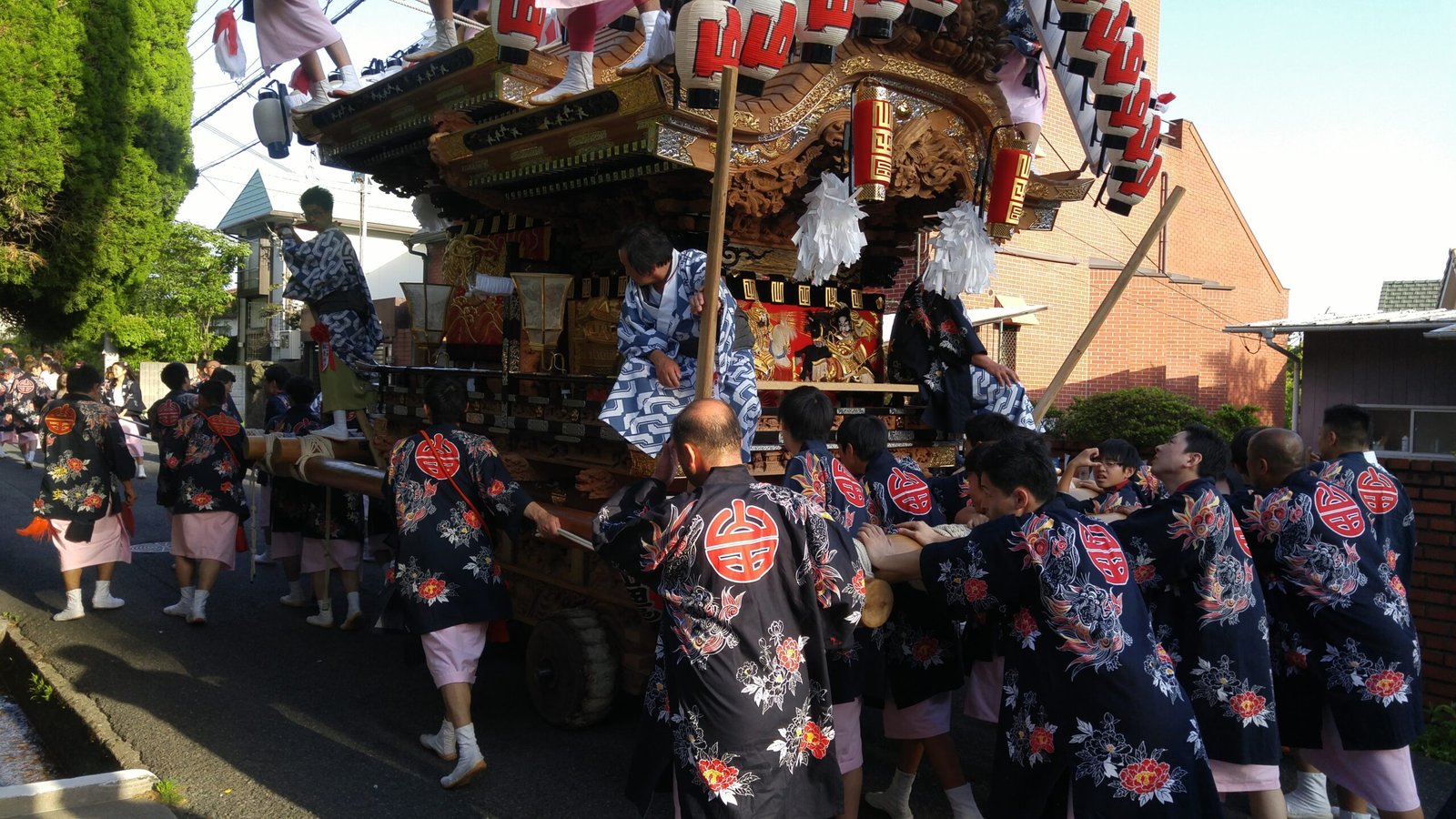
Participants often carry mikoshi through narrow streets, chanting rhythmically to maintain energy and coordination. Others perform traditional dances, play drums and flutes, or guide ceremonial floats through the town. These activities require teamwork, physical effort, and a strong sense of unity.
Traditional clothing also plays an important role. Many participants wear happi coats or yukata, adding colour and identity to each group. In some regions, specific patterns or colours represent different neighbourhoods or families, reinforcing local pride and belonging.
Beyond the physical activities, festivals also strengthen social bonds. Preparation often takes months, involving rehearsals, shrine maintenance, and community meetings. This shared effort reinforces intergenerational connections, as older residents pass traditions to younger participants.
Popular Traditional Festivals in Japan
Across Japan, numerous traditional festivals stand out for their scale, history, and cultural significance. Each reflects the identity of its region while showcasing unique craftsmanship and ritual practices.
Takayama Festival (Gifu)
The Takayama Festival, held in spring and autumn in Takayama, is widely regarded as one of Japan’s most beautiful festivals. It features elaborately decorated floats known as yatai, which showcase intricate woodwork, mechanical puppets, and traditional craftsmanship dating back centuries.
During the festival, these floats are paraded through the historic streets of Takayama, illuminated by lanterns at night, creating a visually stunning atmosphere. The attention to detail in each float reflects generations of artisan skill and dedication.
Kanda Matsuri (Tokyo)
The Kanda Matsuri in Tokyo is one of the city’s most famous traditional festivals, originating in the Edo period. It is held in honour of Kanda Myojin Shrine and features a grand procession of mikoshi through central Tokyo streets.
The festival includes parades of samurai costumes, musicians, dancers, and portable shrines, blending historical tradition with modern urban energy. It is considered a symbol of prosperity and good fortune for the city.
Gion Matsuri (Kyoto)
Although often associated with summer, the Gion Matsuri in Kyoto is one of Japan’s most important traditional festivals. It features massive wooden floats called yamaboko, some weighing several tons, which are pulled through Kyoto’s historic streets.
The craftsmanship, scale, and historical significance of these floats make Gion Matsuri one of the most culturally rich festivals in Japan, attracting visitors from around the world.
Visitor Tips for Attending Traditional Festivals
Attending a traditional Japanese festival can be a deeply rewarding cultural experience, but it is important to approach it with respect and awareness. Many festivals take place in sacred or community spaces where etiquette is essential.
- Respect shrine and temple areas — avoid disruptive behaviour.
- Follow local instructions during processions and rituals.
- Be mindful when photographing, especially during religious ceremonies.
- Arrive early, as popular festivals can attract large crowds.
- Wear comfortable clothing suitable for walking and standing.
- Bring cash for food stalls and local vendors.
- Learn basic etiquette, such as bowing at shrines or avoiding sacred objects.
Understanding these customs not only ensures respectful participation but also enhances the overall experience by allowing deeper cultural appreciation.
Final Thoughts
Traditional Japanese festivals offer far more than visual spectacle — they are living expressions of history, spirituality, and community identity. Each matsuri carries layers of meaning shaped by centuries of cultural evolution, from ancient religious rituals to modern-day celebrations.
Whether it is the intricate floats of Takayama, the energetic processions of Kanda Matsuri, or the grand scale of Kyoto’s Gion Matsuri, these festivals reveal the depth and diversity of Japan’s cultural heritage.
For travellers seeking authentic cultural experiences, traditional festivals provide a unique opportunity to witness Japan not as a distant observer, but as part of a shared celebration of history, faith, and community.
In every chant, every procession, and every ritual, the past continues to live — not as memory, but as a vibrant, ongoing tradition.