Exploring Japan’s art museums is a journey through centuries of creativity, tradition, and innovation. From immersive digital installations in Tokyo to centuries-old samurai artifacts in Kyoto, and from themed museums showcasing Japan’s playful culture to Naoshima’s artistic island experience, the country offers something for every type of traveler. This guide covers Japan’s unique, traditional, contemporary, and comprehensive museum experiences, providing practical tips, seasonal highlights, and top recommendations for making the most of your visit.
1. Unique and Quirky Museums in Japan
Japan is famous for its creativity, and nowhere is this more evident than in its unique and highly original museums. These destinations offer experiences far beyond traditional exhibits, making them a must-visit for curious travelers seeking something memorable and unconventional.
Digital Art Museums
Museums like teamLab Borderless redefine how people experience art, using projection, sound, motion, and light to create fully immersive environments. The artworks respond to visitors, meaning no two experiences are ever the same. You do not simply observe the art—you become part of it, walking through shifting landscapes of color and movement.
Themed Museums
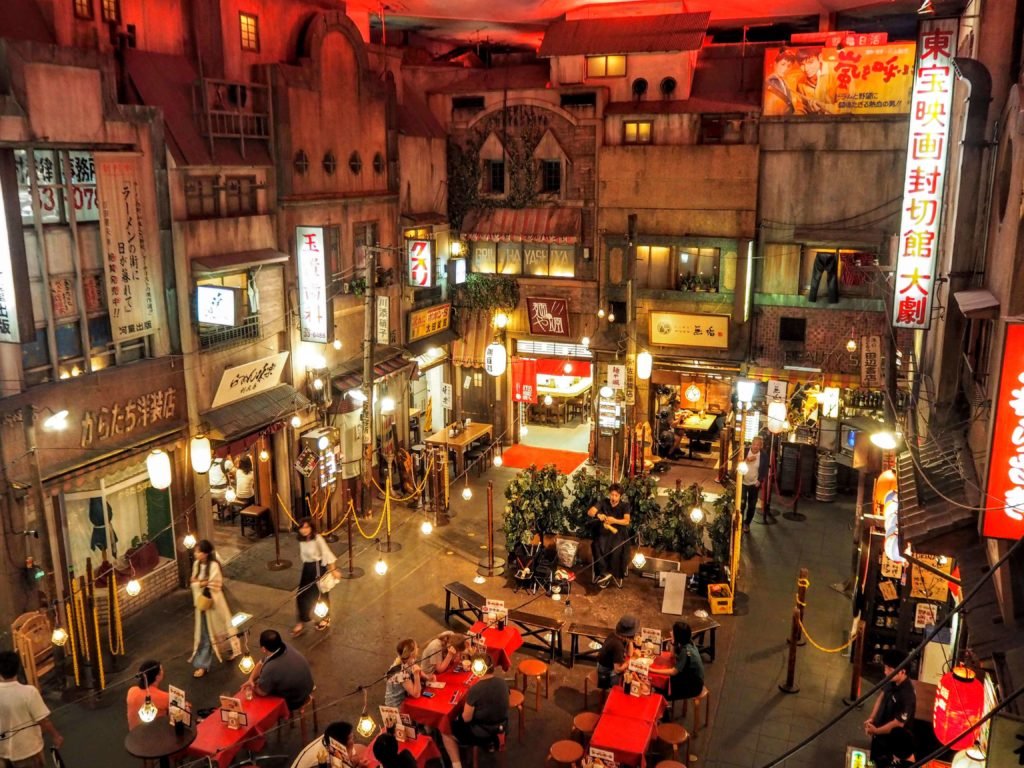
Japan’s themed museums reflect its playful and imaginative culture. The Ramen Museum in Yokohama recreates retro Japanese streets where visitors can taste regional ramen styles, while the Ghibli Museum in Mitaka immerses guests in the world of Studio Ghibli films. These museums combine storytelling, design, and nostalgia in ways that appeal to all ages.
Interactive Experiences
Many modern museums in Japan encourage participation rather than passive viewing. Interactive exhibits include VR installations, digital touch displays, and hands-on workshops. These experiences are especially popular with families and younger travelers, offering both education and entertainment in an engaging format.
Hidden Gems Across Japan
Outside major cities, smaller regional museums offer equally fascinating experiences. These hidden gems are often quieter and more personal, allowing visitors to connect more deeply with exhibits. They showcase local culture, folklore, and artistic traditions that are often overlooked in larger institutions.
Travel Tips for Unique Museums
- Check opening hours carefully, as themed museums may operate on limited schedules.
- Book tickets early for popular attractions like teamLab and Ghibli Museum.
- Visit during weekdays to avoid long queues and crowds.
2. Traditional Art Museums
Japan’s traditional art museums preserve centuries of craftsmanship, philosophy, and cultural identity. These institutions offer insight into the nation’s artistic evolution and spiritual heritage.
Samurai and Edo Period Collections
Museums such as the Edo-Tokyo Museum showcase life during the Edo period, featuring samurai armor, historical reconstructions, and artifacts that illustrate Japan’s feudal past. Visitors can walk through life-size recreations of old Tokyo streets and experience history in an immersive way.
Ceramics and Fine Craftsmanship
Japanese ceramics are world-renowned for their elegance and precision. Museums such as the Kyoto National Museum and Arita Porcelain Museum display centuries of ceramic artistry. Many also offer live demonstrations, allowing visitors to see traditional techniques in action.
Calligraphy and Ink Painting
Traditional calligraphy and ink painting reflect Japan’s spiritual connection to art, often influenced by Zen Buddhism. Museums display ancient scrolls, brushwork, and poetic inscriptions that highlight simplicity, balance, and mindfulness.
Best Locations for Traditional Art
- Kyoto — Rich in temples, galleries, and traditional museums.
- Kanazawa — Known for samurai culture and gold leaf craftsmanship.
3. Contemporary Art Museums
Japan’s contemporary art scene is innovative and constantly evolving, blending technology, architecture, and creative expression into powerful modern experiences.
Tokyo’s Leading Contemporary Museums
- Mori Art Museum — Known for cutting-edge exhibitions and panoramic city views.
- National Art Center, Tokyo — Features large-scale rotating exhibitions in a striking architectural space.
- teamLab Planets — A fully immersive digital art experience involving water, light, and motion.
Immersive and Digital Experiences
Digital art is a defining feature of modern Japanese culture. Visitors can walk through shifting environments, interact with installations, and become part of the artwork itself. These experiences often blur the line between reality and imagination.
Emerging Art Districts
- Roppongi — A hub for international contemporary art.
- Daikanyama — Boutique galleries and creative spaces.
- Shibuya & Harajuku — Youth-driven pop-up art and street installations.
4. Comprehensive Overview of Japan’s Art Museums
Japan’s museum culture is best understood as a seamless blend of tradition and innovation. From ancient artifacts preserved in national institutions to experimental digital installations redefining artistic boundaries, the country offers a deeply diverse cultural experience.
Cities like Tokyo, Kyoto, and Osaka provide large-scale museum experiences, while regional areas like Naoshima, Kanazawa, and Nara offer more intimate cultural encounters. Together, they form a complete picture of Japan’s artistic identity.
One of the most unique aspects of Japanese museums is their integration with environment and architecture. Many museums are designed to harmonize with nature, encouraging reflection and slowing down the pace of exploration. This creates a deeper emotional connection to the art itself.
Seasonal changes also play a major role in shaping the museum experience. Cherry blossoms in spring, lush greenery in summer, autumn foliage, and peaceful winter atmospheres all enhance cultural visits in different ways throughout the year.
Final Thoughts
Exploring Japan’s art museums is more than sightseeing—it is a journey into the country’s soul. Each museum reveals a different layer of Japan’s identity, from ancient traditions and spiritual heritage to futuristic digital creativity. The experience is both educational and emotional, offering something meaningful for every type of traveler.
Whether you are walking through a quiet Kyoto gallery, interacting with immersive digital art in Tokyo, or cycling through Naoshima’s open-air installations, Japan’s museums encourage reflection and curiosity. They invite visitors not just to observe art, but to experience it in a personal and memorable way.
Ultimately, Japan’s art museums represent a perfect balance between past and future. They preserve centuries of cultural heritage while embracing innovation and technology. For travelers, this creates an unforgettable journey that goes far beyond traditional sightseeing.