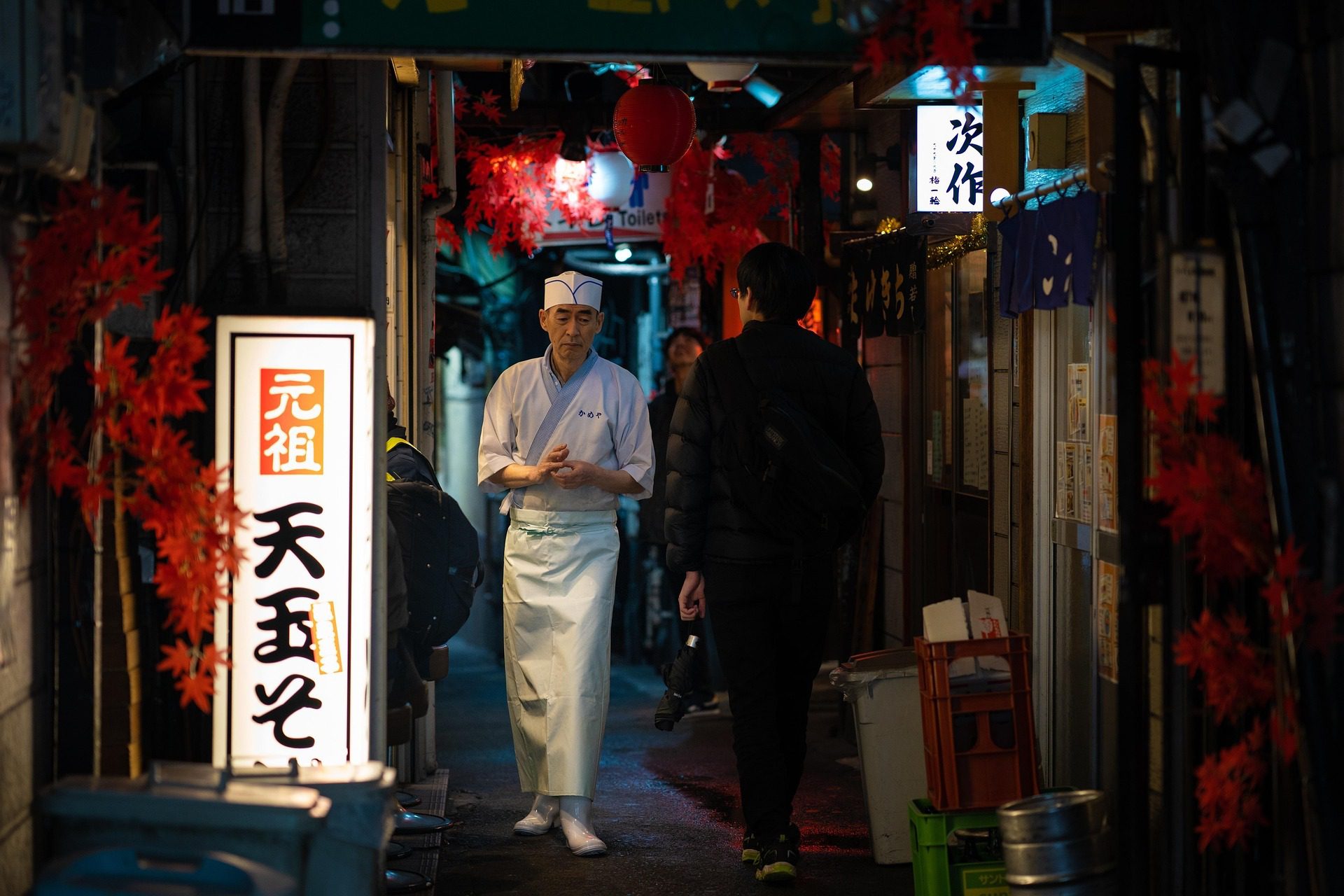
Tokyo’s nightlife has long been celebrated for its diversity, from neon-lit karaoke bars to hidden jazz lounges and bustling izakaya. Among these, Shibuya stands out as a district where trends emerge and evolve quickly, often setting the tone for the entire city. Recently, a surprising development has drawn attention: age-restricted izakaya. These casual Japanese pubs, traditionally open to all adult patrons, are quietly experimenting with entry policies based on age. While the concept may seem unusual to foreign visitors, it reflects a growing effort by some operators to craft a very specific atmosphere inside their venues.
What Are Age-Restricted Izakaya?
An izakaya is a type of informal Japanese pub where patrons gather to eat small dishes, drink sake or beer, and socialize. Traditionally, izakaya have been inclusive spaces, welcoming everyone over the legal drinking age. However, in Shibuya, certain establishments have started implementing subtle age-based restrictions.
These policies vary by venue. Some advertise explicitly that their target demographic is patrons in their 20s and 30s. Others enforce the rule more loosely, allowing older customers only if accompanied by someone in the preferred age range, or under specific circumstances such as work-related visits. The aim is not legal exclusivity, but rather creating a “vibe” that appeals to a younger, energetic crowd.
Shibuya’s Dogenzaka area, in particular, has seen several pubs experiment with this approach. Operators describe these spaces as “designed for the younger generation,” emphasizing informal interaction, lively chatter, and a dynamic social environment.
Why Age Restrictions Are Becoming a Trend
At first glance, age-based entry rules may appear discriminatory. However, the underlying motivation is often about atmosphere management rather than excluding anyone based purely on age. Nightlife venues face a unique challenge: balancing energy levels, noise, and customer expectations. Different age groups often have distinct preferences.
- Younger patrons may enjoy loud music, quick service, and high-energy interactions.
- Older patrons often seek a calmer, more relaxed environment.
When these preferences clash in a busy izakaya, it can lead to discomfort for both groups and disrupt the intended experience. By curating their clientele, some operators aim to create a consistent atmosphere, ensuring that the vibe aligns with the brand they are promoting.
This trend also reflects broader patterns in Tokyo’s hospitality scene, where businesses are increasingly defining themselves by precise themes or customer experiences. Just as themed cafes, boutique bars, and concept restaurants differentiate themselves, age-focused izakaya are a natural evolution of this strategy.
Historical Context: Age and Nightlife in Japan
To understand this trend, it helps to consider Japan’s cultural attitudes toward age and social interaction. Traditionally, Japanese society places great emphasis on hierarchy and respect for elders. In business and formal settings, age determines seating arrangements, deference in conversation, and even drinking etiquette.
However, nightlife spaces have historically offered a break from these hierarchies. Izakaya are casual, informal places where co-workers unwind, friends gather, and strangers may strike up conversation over drinks. Younger patrons in particular have gravitated toward these spaces for freedom and social connection.
Introducing age-specific entry rules may seem contradictory in this context. Yet it aligns with a global trend in nightlife, where venues curate experiences based on the desired social energy rather than strict legal or moral requirements. In Tokyo, it’s simply a more subtle, low-key approach than in Western clubs or bars.
Public Reaction and Debate
Shibuya’s age-restricted izakaya have sparked discussion among both locals and visitors. Opinions are mixed:
- Supporters argue that businesses should have the freedom to shape their environment. Tokyo’s nightlife is diverse, and patrons can choose venues that match their preferences. Age-specific policies help maintain a lively atmosphere and prevent clashes between groups with different expectations.
- Critics worry about exclusion. Japan faces an ageing population, and some see age-based restrictions as potentially divisive or insensitive. Others argue that a city known for inclusivity should avoid arbitrary barriers.
Interestingly, social media in Japan has seen both curiosity and humor about these rules. Photos of izakaya signage indicating “Under 40 Only” or “Primarily for 20s–30s” often circulate online, accompanied by playful commentary. For operators, this digital buzz is a form of free marketing, reinforcing the venue’s trendy image.
Practical Implications for Visitors
For tourists exploring Shibuya, understanding age restrictions can enhance the experience rather than cause frustration. Key points to remember include:
- Check signage or websites: Many izakaya now list age guidance online or at their entrance.
- Ask staff politely: Japanese hospitality values politeness. Explaining your situation often results in exceptions, especially if visiting with a younger companion.
- Plan alternative venues: Shibuya has hundreds of izakaya with varying atmospheres, from quiet family-style pubs to vibrant student hangouts.
By approaching the scene with curiosity and flexibility, visitors can enjoy Tokyo nightlife without misunderstanding local customs or policies.
How Operators Manage the Policy
Implementing age limits in a casual dining setting requires subtlety. Operators balance enforcement with hospitality:
- Staff may greet older customers warmly but clarify the preferred demographic.
- Reservations may be prioritized for younger groups.
- Special events, such as live music nights, may be targeted specifically toward the age range that matches the intended vibe.
By doing so, izakaya can maintain their identity without alienating potential patrons completely. This careful balance is a hallmark of Japanese service culture, where customer experience and atmosphere are paramount.
Broader Cultural Implications
Shibuya’s age-restricted izakaya illustrate a broader shift in urban nightlife: themed and curated experiences are increasingly valued over generic openness. Similar trends can be seen globally in boutique bars, pop-up events, and music venues.
For Japan, this evolution raises interesting questions:
- How can traditional hospitality balance inclusivity with atmosphere management?
- Will age restrictions expand to other districts, or remain a niche experiment in Shibuya?
- How will tourists adapt to subtle social rules that may not exist in their home countries?
The answers are not clear, but observing these trends provides insight into Japan’s dynamic social and business culture.
Comparing Tokyo’s Nightlife to Other Cities
Tokyo is unique in the way it blends tradition with modernity. Age-focused policies are relatively subtle compared with other international nightlife scenes:
- In cities like New York or London, nightclubs often enforce strict age limits due to alcohol laws, branding, or crowd control.
- Tokyo’s izakaya, in contrast, rely on social cues, signage, and polite staff guidance rather than aggressive enforcement.
This reflects a broader cultural principle in Japan: control through design and suggestion rather than confrontation. Patrons are guided toward the desired experience, but personal freedom is preserved wherever possible.
The Future of Curated Nightlife in Shibuya
Age-restricted izakaya remain a niche trend, but they highlight a larger movement toward highly curated social spaces. In Shibuya, where competition among bars, clubs, and restaurants is intense, creating a unique identity is essential. Operators are discovering that subtle rules—such as age recommendations—can help define their space without overt exclusivity.
For younger patrons seeking energetic socialization, these venues provide an appealing alternative to quieter, more traditional izakaya. For the city as a whole, they spark conversation about how nightlife spaces balance inclusivity, customer satisfaction, and brand identity.
Conclusion
Shibuya’s age-restricted izakaya trend reflects an evolving approach to nightlife in Tokyo. While controversial to some, it demonstrates how small changes in policy can shape the atmosphere and social dynamics of a venue. For visitors, it offers a reminder that Tokyo’s izakaya culture is not uniform. Each establishment has its own rules, identity, and expectations—sometimes subtle, sometimes explicit.
Ultimately, this trend is part of a broader movement toward curated experiences in urban nightlife, balancing tradition, innovation, and the desire for memorable social spaces. By understanding the context and reasoning behind these policies, both locals and tourists can navigate Shibuya’s