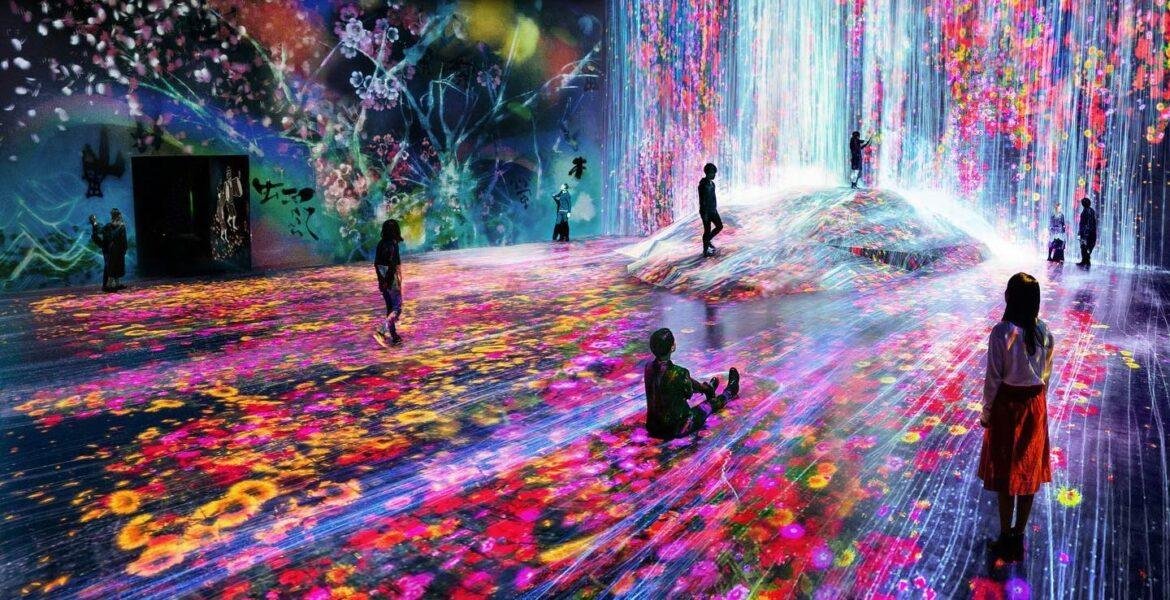
Japan is world-famous for its creativity, and nowhere is this more evident than in its unique and highly original museums. Far from the typical display cases and static exhibits, these destinations offer experiences that are immersive, interactive, and deeply engaging. For travelers with a sense of curiosity, visiting Japan’s museums can be as exciting as exploring its temples, gardens, or bustling city streets.
Digital Art Museums
One of the most revolutionary museum experiences in Japan is the digital art museum. These spaces use cutting-edge technology to create fully immersive environments where visitors become part of the art itself.
- teamLab Borderless (Tokyo) — This museum in Odaiba offers an endlessly flowing digital environment. Rooms are alive with color, light, and motion, responding to the movements of visitors. Walking through the exhibits feels more like entering a dream than visiting a gallery.
- teamLab Planets (Tokyo) — Unlike Borderless, Planets allows visitors to physically wade into water installations, interact with floating digital flora, and immerse themselves fully in a tactile, sensorial experience.
- Roppongi Digital Museum (Tokyo) — A smaller but equally innovative museum, featuring projection mapping and interactive walls that transform with visitor interaction.
These museums are perfect for families, tech enthusiasts, and anyone eager to experience art in an entirely new way. They also offer excellent photo opportunities that make your visit highly shareable online, which is ideal for modern travelers.
Themed Museums
Japan’s quirky side is reflected in its themed museums. From anime and manga to food replicas, these museums celebrate niche interests with creativity and humor.
- Ghibli Museum (Mitaka, Tokyo) — A dream for fans of Studio Ghibli, this museum immerses visitors in the world of beloved animated films. Original sketches, life-sized dioramas, and short films exclusive to the museum make this a magical experience.
- CupNoodles Museum (Yokohama) — Explore the history of instant ramen, make your own custom CupNoodles, and learn how this humble invention became a global phenomenon.
- Ramen Museum (Yokohama) — Combining culture, history, and cuisine, this museum offers visitors a taste of ramen from different regions of Japan in a recreated 1950s Tokyo street setting.
- Shitamachi Tanabata Museum (Tokyo) — Celebrates traditional Japanese festivals and local craftsmanship, ideal for cultural enthusiasts who want to experience Japan’s rich festival heritage.
These themed museums are not only entertaining but also provide insight into Japanese society and cultural values. They show how everyday items, cartoons, or even food can become cultural icons celebrated in a museum setting.
Interactive Experiences
One common thread among Japan’s modern museums is interactivity. Many exhibits encourage visitors to touch, move, and experiment, transforming the museum from a passive experience into an active adventure.
- Miraikan – National Museum of Emerging Science and Innovation (Tokyo) — Hands-on experiments, robotics demonstrations, and augmented reality displays allow visitors to engage with science and technology directly.
- Osaka Science Museum (Osaka) — Features interactive experiments suitable for children and adults, including planetarium shows that blend entertainment with education.
- Kyoto Railway Museum (Kyoto) — Guests can climb into train cabs, operate miniature trains, and explore Japan’s rich rail history in an engaging, hands-on way.
Interactive exhibits are ideal for families, school groups, or anyone who enjoys learning by doing. They also help the museums meet modern accessibility and engagement standards, which aligns well with AdSense content quality requirements.
Hidden Gems Across Japan
While Tokyo and Osaka host many famous museums, smaller cities often hide surprising gems. These less-crowded destinations offer a more relaxed and intimate experience.
- Rokko Alpine Botanical Garden (Kobe) — Combines natural beauty with art installations in a peaceful mountain setting.
- Shikoku Mikan Museum (Ehime) — Celebrates local citrus cultivation with interactive exhibits, tastings, and cultural demonstrations.
- Adachi Museum of Art (Shimane) — Famous for blending traditional Japanese gardens with art collections, offering a serene experience away from city crowds.
These hidden gems reward travelers with more personal interactions with exhibits and staff. Visiting them also helps support regional tourism and cultural preservation.
Seasonal Recommendations
- Spring — Cherry blossoms provide a stunning backdrop to outdoor museum gardens, such as at the Adachi Museum of Art.
- Summer — Cooler indoor experiences, like teamLab Planets, are ideal for avoiding the heat while enjoying interactive art.
- Autumn — Many museums highlight seasonal festivals or local crafts, such as Tanabata exhibits in Tokyo or Kyoto.
- Winter — Smaller, cozy museums and indoor interactive exhibits provide refuge from the cold while offering rich cultural experiences.
Travel Tips for Museum Visitors
- Check opening times carefully; some themed museums operate on limited schedules or close on specific weekdays.
- Book tickets in advance for popular attractions like the Ghibli Museum or teamLab Borderless to avoid long waits.
- Many museums encourage photography in certain areas; always check rules to respect other visitors.
- Wear comfortable shoes—interactive museums often involve walking, climbing, or exploring multiple levels.
- Combine museum visits with local cuisine and cultural tours to create a fully immersive day.
Why Japan’s Museums are Unique
What sets Japan’s museums apart is their ability to combine education, creativity, and entertainment seamlessly. They are not just about viewing exhibits—they are about experiencing art, culture, and innovation firsthand. Every museum visit offers a journey into imagination, history, and technology.